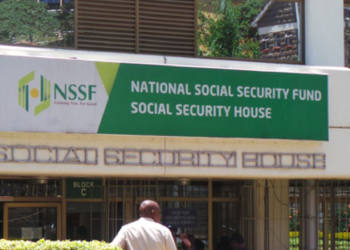
Opting out of NSSF Tier II refers to the process where an employer chooses to redirect part of their employees’ mandatory pension contributions from the National Social Security Fund (NSSF) to a private occupational retirement benefits scheme. This option is provided for under the NSSF Act, 2013, which restructured Kenya’s pension system by introducing a two-tier contribution framework, Tier I and Tier II. While Tier I contributions must remain with NSSF, the law allows employers to contract out of Tier II and place those funds in an approved private scheme of their choice.
The ability to opt out is an important provision because it gives employers greater control over how their employees’ retirement savings are managed. Private schemes often offer more personalized investment strategies, better transparency, and potentially higher returns compared to the standard NSSF structure. Contracting out also allows organizations to align pension benefits with their internal human resource policies, helping to attract and retain talent. For employees, it means their savings can be actively managed by professional fund managers with a stronger focus on long-term growth and financial security.
Employers that wish to contract out of Tier II must follow a structured process. First, the organization must identify an approved occupational, umbrella or individual pension scheme that is registered and regulated by the Retirement Benefits Authority (RBA). The employer must then inform the employees on the NSSF Act, the opt out process and implications. The employer is then required to formally notify the Retirement Benefits Authority (RBA) of their intention to opt out, at least 60 days before contracting out. This involves submitting an application for contracting out, Form C1, accompanied by relevant supporting documents. Key requirements include a copy of the trust deed and rules of the pension scheme, the scheme’s RBA registration certificate, and a board resolution or employer commitment letter confirming the decision to contract out. Details of employees to be covered under the arrangement must also be provided.
Once the application is reviewed and approved by RBA, the employer can begin remitting Tier II contributions to the selected scheme instead of NSSF. It is important for employers to maintain proper records and ensure ongoing compliance with both NSSF and RBA regulations. Engaging professional pension administrators and fund managers can help make the transition smooth and ensure all legal requirements are met.


For employers looking for a reliable and compliant option, the Cytonn Umbrella Retirement Benefits Scheme (CURBS) is fully approved to receive and manage Tier II contributions. CURBS offers professional fund management, transparent reporting, and flexible retirement solutions tailored to employer needs. By contracting out to CURBS, organizations can provide their employees with a well-structured pension plan designed to maximize long-term benefits. Employers seeking to take advantage of the opt-out provision can partner with CURBS to secure a more rewarding and efficient retirement savings solution for their workforce.