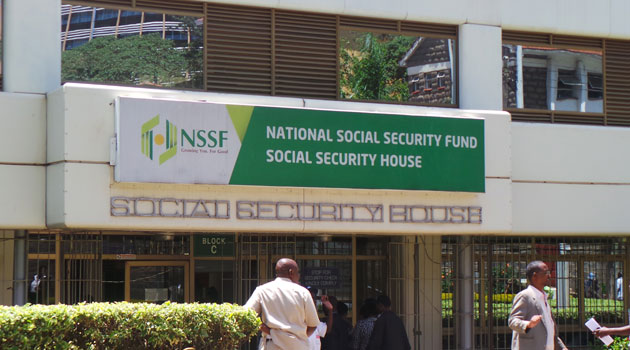
Fresh discussions have emerged around the possibility of allowing members of the National Social Security Fund (National Social Security Fund) to access a portion of their retirement savings before reaching retirement age. The proposal, which is currently under review, has triggered wide debate among policymakers, employers, and workers across the country.The conversation centers on whether contributors should be permitted to withdraw part of their pension savings early to meet urgent financial needs such as medical emergencies, job loss, education expenses, or housing support. Proponents argue that in the current economic climate—marked by rising living costs and fluctuating employment—members should have controlled access to their own savings when faced with genuine hardship.
Supporters of early access say the move would provide much-needed financial flexibility, especially for younger workers who may not see retirement as an immediate priority. They argue that allowing partial withdrawals under strict guidelines would make the pension system more responsive to real-life challenges. Some proposals suggest a cap on the percentage that can be accessed and clear eligibility conditions to prevent abuse.However, pension experts have raised concerns about the long-term consequences. Retirement savings are designed to accumulate over decades through compound growth. Early withdrawals could significantly reduce the final pension payout, leaving retirees financially vulnerable in old age. Critics warn that frequent early access could undermine the core objective of social security—ensuring income security after retirement.
The debate also touches on the sustainability of the fund. If large numbers of members opt for early withdrawals, it could affect NSSF’s investment planning and long-term asset allocation strategy. Pension funds typically invest with long-term horizons in mind, including government securities, equities, and real estate projects. Sudden liquidity pressures could complicate this approach.Labour unions have expressed mixed reactions. While some acknowledge the immediate relief early access could provide to struggling workers, others caution that retirement protection should not be weakened. Employers, too, are watching closely, as any policy changes may require administrative adjustments and clear regulatory guidance.
Government officials have indicated that any decision will be based on research, stakeholder consultations, and actuarial analysis to ensure the integrity of the pension system is not compromised. The focus remains on balancing short-term financial relief with long-term retirement security.As discussions continue, the NSSF early pension access Kenya debate highlights a broader policy question: how to design a pension system that protects future retirees while remaining flexible enough to respond to present-day economic realities. The outcome of these deliberations could reshape how millions of Kenyan workers view and use their retirement savings.