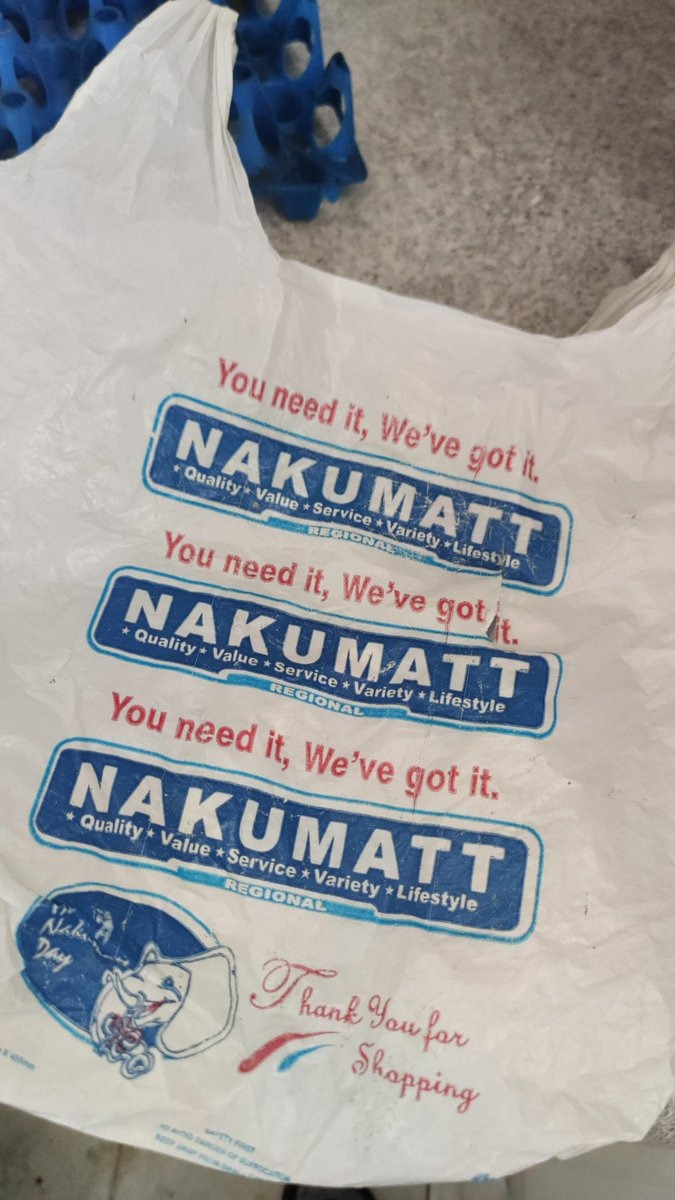
Standard Chartered Bank Kenya has issued a statutory notice threatening to auction several properties linked to the collapsed retailer Nakumatt Holdings Limited after the supermarket chain defaulted on loans amounting to more than Sh1.9 billion.
The lender has given the borrowers 90 days to settle the outstanding debt, warning that failure to do so could trigger the sale of land parcels used as security for the facilities. The properties are located in key urban centres including Nairobi, Nakuru, and Mombasa.
Breakdown of the Outstanding Debt
According to Joseph Wangui, Business Daily, the bank states that Nakumatt owes multiple facilities that were issued during the retailer’s aggressive expansion phase more than a decade ago.
The liabilities include:

-
Sh967.1 million under an import invoice financing facility
-
$331,872.95 (about Sh42.8 million) from an overdraft facility
-
$6.99 million (about Sh903.4 million) under a term loan
The credit lines were extended between February 2011 and January 2012 when Nakumatt was rapidly expanding across East Africa.
These loans were secured through properties owned by affiliated firms Nakumatt Investments Limited and Creative Enterprises Limited.
In the statutory notice, the lender demanded full repayment of the secured amounts tied to the facilities.
Properties Facing Possible Auction
The securities backing the loans include four land parcels located in different parts of the country.
They include:
-
Land reference number MN/I/9626 in Mombasa
-
Nakuru Municipality Block 9/47 in Nakuru
-
LR No. 209/4063 in Nairobi
-
LR No. 209/4058 in Nairobi
The charges securing the facilities were created between 2011 and 2012, with Nakumatt Investments Limited providing the collateral on behalf of the retail chain.
If the debt is not settled within the statutory period, the bank may exercise its legal right to sell the properties in order to recover the outstanding amounts.
Court Ruling Cleared the Way
The latest move by Standard Chartered follows a ruling by the High Court of Kenya in November 2025 that allowed the bank to proceed with publishing loan recovery notices after difficulties locating the borrowers.
The court found that the National Land Commission had failed for more than two years to respond to the lender’s request to serve statutory notices through newspaper advertisements.
According to the judge, the commission’s delay had effectively prevented the bank from enforcing its securities through the statutory power of sale.
The ruling compelled the commission to approve substituted service through newspapers with nationwide circulation. If it failed to act within seven days, the court allowed the bank to proceed with publication through the Kenya Gazette and local newspapers.
The lender had earlier argued that attempts to serve the borrowers directly had failed because notices sent via postal service were returned and investigations could not trace the directors of the companies involved.
From Retail Giant to Debt Recovery
Nakumatt was once one of East Africa’s most dominant retail brands, operating more than 60 outlets across Kenya, Uganda, Tanzania, and Rwanda.
At its peak, the chain employed thousands of workers and played a major role in shaping modern supermarket retail in the region.
However, the business collapsed in 2017 after accumulating heavy bank loans, unpaid supplier bills and rising operational costs. As its financial troubles deepened, branches began shutting down while creditors pursued legal avenues to recover outstanding debts.
Years later, lenders and other creditors are still attempting to recover funds tied to the retailer’s expansion era, with property securities among the remaining assets available for recovery.
This article is based