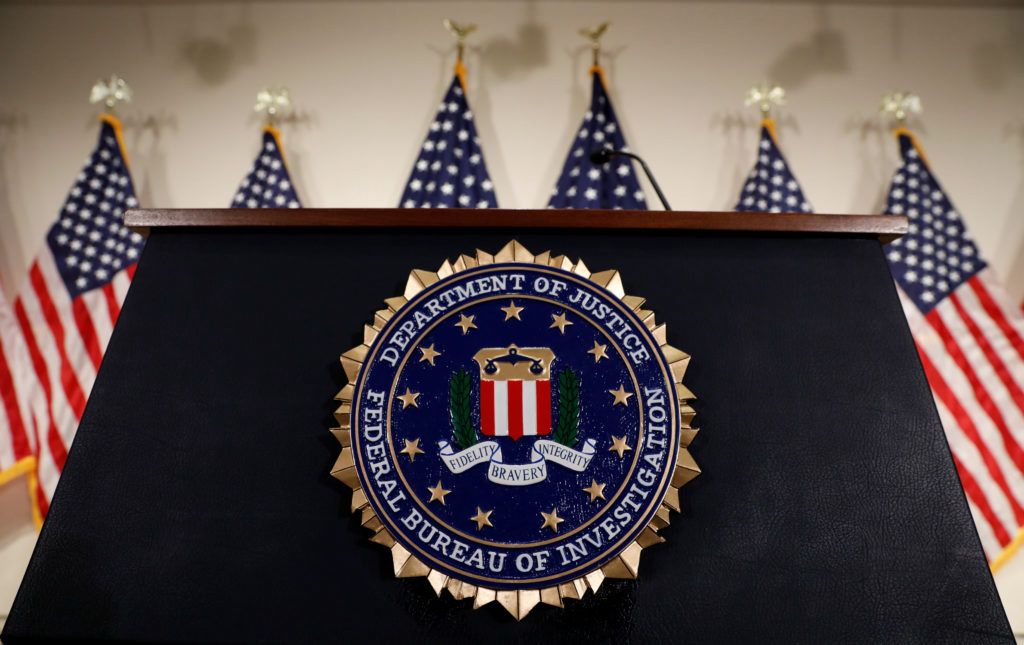
Kenya has been referenced in an unfolding federal investigation in the United States that links alleged misappropriated public funds from Minnesota to investments in high-end assets in Nairobi and other parts of the country. The probe, led by the Federal Bureau of Investigation and other U.S. agencies, centers on what authorities describe as one of the largest fraud schemes in Minnesota’s history, involving misuse of federal programs including child nutrition reimbursements and related services. Investigators have traced millions of dollars of illicit funds abroad, and portions of these funds are alleged to have been used to buy real estate and other high-value assets in Kenya’s capital and surrounding regions.
The investigation has revealed complex money-laundering networks that allegedly funneled proceeds from fraudulent reimbursement claims into luxury investments overseas, with Kenya appearing as a destination for real estate purchases, development company stakes, and other property transactions. These findings emerged from detailed financial tracing by U.S. agencies, which uncovered transfers of stolen funds disguised through shell companies and bulk transfers, some of which were routed into portfolios linked to properties in Nairobi’s South C neighbourhood and land in northern regions.
Legal filings associated with the case show that individuals indicted in the United States, including a Kenyan national accused of facilitating laundering operations, were involved in moving tens of millions of shillings internationally. Court documents indicate that stolen funds were invested in a range of assets in Kenya, a situation that has highlighted the challenges faced by law enforcement when trying to stem cross-border financial crime.
The involvement of Kenyan property markets in the probe underscores the interconnected nature of modern financial crimes, where fraudulent operations in one jurisdiction can have implications far beyond national borders. Governments, financial institutions and regulatory bodies globally have in recent years increased information-sharing and cooperation to better detect and prevent such schemes, yet the sheer sophistication of modern laundering techniques continues to pose enforcement challenges.

In response, authorities in both the United States and Kenya are coordinating efforts around asset tracing, forensic accounting and compliance reviews, reflecting a broader global push to tighten anti-money-laundering regimes and deter misuse of financial systems for illicit gain. These efforts come amid heightened scrutiny of international investment flows and property ownership structures, particularly in developing markets that may be more vulnerable to opaque financing.
For Kenyan investors and savers watching these developments, the situation highlights the importance of transparency, regulatory compliance and risk awareness in financial activities. Keeping savings in vetted, regulated instruments can help guard against exposure to reputational and financial risks associated with illicit capital movements.
In an environment marked by global financial uncertainty and heightened scrutiny of cross-border money flows, preserving your savings in transparent and secure instruments is key. Consider the Cytonn Money Market Fund (CMMF) a flexible, reliable savings option that offers liquidity and steady returns while you plan for both present needs and future goals.
📞 Call +254 (0) 709 101 200 or 📧 email sales@cytonn.com to learn more.