Sharp Daily
No Result
View All Result
Tuesday, December 30, 2025
  • Home
  • News
    • Politics
  • Business
    • Banking
  • Investments
  • Technology
  • Startups
  • Real Estate
  • Features
  • Appointments
  • About Us
    • Meet The Team
Sharp Daily
  • Home
  • News
    • Politics
  • Business
    • Banking
  • Investments
  • Technology
  • Startups
  • Real Estate
  • Features
  • Appointments
  • About Us
    • Meet The Team
No Result
View All Result
Sharp Daily
No Result
View All Result
Home Investments

Medium-term Government Securities Giving More Yields Than Short-Term and Long-Term

Vincent Wangu by Vincent Wangu
July 24, 2023
in Investments
Reading Time: 1 min read
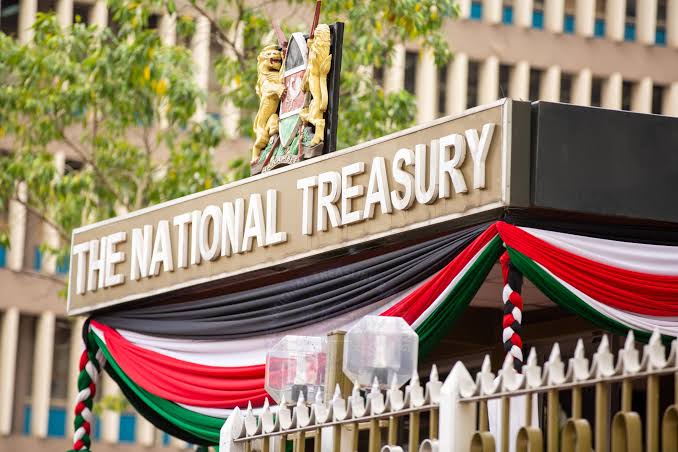
The National Treasury

[Photo/Courtesy]

In a normal yield curve, investors who purchase longer-dated government securities earn more returns to compensate them for investing longer, and investment shields against the rising inflation rate in the economy. This was how the Kenyan government securities were at the start of the year 2020.

Read more: Treasury Shifts from Issuing Long-Term Bonds Towards Shorter-Dated Bonds

However, the yield curve for Kenya government securities has changed its shape and now has taken a humped shape. This means that investors who have invested in the medium term are earning more return than those who invested in short-term and long-term securities.

For example, the yield on a 5-year bond is 16.6%, which is higher compared to a 1-year bond and 20-year bond, which have yields of 12.7% and 14.6%, respectively, as of 21st July 2023, therefore taking a humped shape.

RELATEDPOSTS

No Content Available

Read more: Yields on Government Securities Breached 16.0% in the Primary Market

The cause of this performance is due to the government focusing more on issuing short to medium-term government securities. Additionally, investor preference for shorter-dated securities has remained persistent, forcing the government to shift its focus from issuing longer-dated securities.

The humped shape is an indication of the period of uncertainty in the government securities market due to the economy being in the transition phase from a period of growth to a slowdown or vice versa.

Email your news TIPS to editor@thesharpdaily.com

Previous Post

IMF Closely Monitors Finance Act Court Case Amidst Approval for Kenya’s Economic Buffer

Next Post

Kenyan Government Plans to Service Kenya Airways’ Guaranteed Loans Amid IMF Pressures

Vincent Wangu

Vincent Wangu

Related Posts

Economy

Diageo, Vodafone exit and the quiet unravelling of Britain’s corporate hold on Kenya

December 30, 2025
Analysis

Investors to buy and sell NSE shares on M-Pesa from January 2026

December 29, 2025
Analysis

Why Some Investors Are Paying to Lose: The Rise of Tax-Driven Investing

December 23, 2025
Analysis

EABL corporate bond issuance

December 23, 2025
Analysis

Is Government a Facilitator or an Investor? Rethinking the State’s Role in Economic Development

December 19, 2025
Counties

TRIFIC announces green dollar denominated I-REIT targeting Sh4.8 billion raise

December 17, 2025

LATEST STORIES

How Private Equity Drives Business Expansion in Emerging Markets

December 30, 2025

Money as a social signal

December 30, 2025

The risks of short-term thinking for economic growth

December 30, 2025

The difference between income and wealth and why it matters

December 30, 2025

Private equity and corporate governance

December 30, 2025

Why financial habits matter more than financial knowledge

December 30, 2025

Kenyan banks face loan refunds after illegal rate increases

December 30, 2025

What does it really mean to be financially stable

December 30, 2025
  • About Us
  • Meet The Team
  • Careers
  • Privacy Policy
  • Terms and Conditions
Email us: editor@thesharpdaily.com

Sharp Daily © 2024

No Result
View All Result
  • Home
  • News
    • Politics
  • Business
    • Banking
  • Investments
  • Technology
  • Startups
  • Real Estate
  • Features
  • Appointments
  • About Us
    • Meet The Team

Sharp Daily © 2024