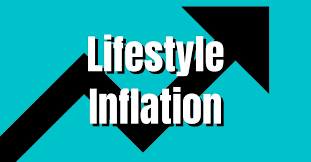
As income grows over time, it is common for spending habits to change. While higher earnings can improve quality of life, they can also lead to a gradual increase in expenses; a phenomenon known as Lifestyle Inflation. This occurs when individuals consistently raise their standard of living in line with income increases, often leaving little room for savings or investment.
Lifestyle inflation typically begins subtly. A salary increase or new income source may encourage upgrades such as moving to a more expensive home, purchasing a higher-end car, dining out more frequently, or adopting costlier habits. While these changes may seem manageable individually, they can accumulate over time, significantly increasing monthly expenses.
One of the main risks of lifestyle inflation is reduced savings. As expenses rise alongside income, individuals may find that they are saving little or nothing despite earning more. This can delay important financial goals such as building an emergency fund, investing, or preparing for retirement. In some cases, individuals may even take on additional debt to sustain their upgraded lifestyle.
Lifestyle inflation can also create long-term financial pressure. Once a higher standard of living is established, it becomes difficult to scale back, even during periods of reduced income or economic uncertainty. Fixed expenses such as rent, loan repayments, and subscriptions may consume a large portion of income, limiting financial flexibility.


Another important consideration is opportunity cost. Money spent on non-essential upgrades could have been invested or saved for future needs. Over time, the impact of foregone investments can be significant, especially when considering the effects of compound growth. This highlights the importance of balancing present enjoyment with long-term financial planning.
Social and psychological factors often contribute to lifestyle inflation. Peer influence, social expectations, and exposure to higher standards of living can encourage individuals to increase spending. In urban environments such as Nairobi, where lifestyles can vary widely, the pressure to keep up with perceived standards can be particularly strong.
Despite these risks, lifestyle inflation is not entirely negative. Improving one’s quality of life is a natural and valid goal. The key is maintaining control over spending and ensuring that financial progress keeps pace with income growth. This involves making intentional decisions about which lifestyle upgrades are truly valuable and sustainable.
Practical strategies can help manage lifestyle inflation. These include setting clear financial goals, maintaining a budget, and allocating a portion of any income increase toward savings or investments before increasing spending. Automating savings and regularly reviewing expenses can also help maintain financial discipline.
In conclusion, lifestyle inflation is a common but manageable aspect of personal finance. While rising income provides opportunities for improved living standards, unchecked increases in spending can limit financial growth and stability. By maintaining a balanced approach and prioritizing long-term goals, individuals can enjoy the benefits of higher income without compromising their financial future.