Sharp Daily
No Result
View All Result
Tuesday, September 22, 2026
  • News
  • Business
  • Technology
  • Real Estate
  • Opinion
  • About Us
Sharp Daily
  • News
  • Business
  • Technology
  • Real Estate
  • Opinion
  • About Us
No Result
View All Result
Sharp Daily
No Result
View All Result
Home News

KRA Extends Deadline For Tax Invoice Management System Compliance

Domenic Ntoogo by Domenic Ntoogo
September 22, 2022
in News
Reading Time: 1 min read
KRA's Digital Service Tax

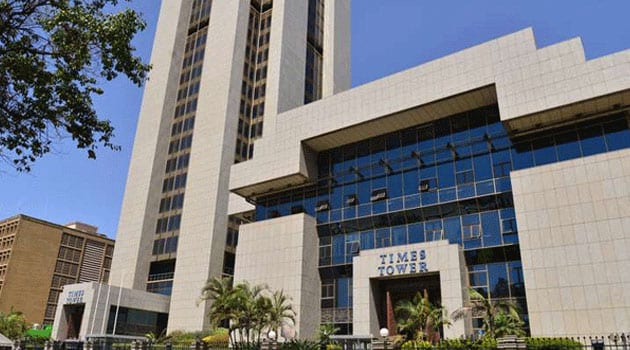
KRA [Photo/Courtesy]

Kenya Revenue Authority (KRA) has pushed the deadline for migration to Tax Invoice Management System (TIMS) by VAT-registered taxpayers to 30th November this year.

In a statement through the Corporate Twitter Account, KRA stated it arrived at a decision after noting that some taxpayers were still obtaining and integrating Electronic Tax Registers (ETR) with their invoicing systems.

“Having noted that a number of taxpayers are still in the process of acquiring and integrating the ETR devices with their invoicing systems, KRA further advises that an administrative decision has been taken to provide additional time until 30th November 2022, to allow the taxpayers complete this process,” noted KRA.

Read: KRA Collects 149.6 Billion In August

RELATEDPOSTS

TikTok set to begin withholding tax on Kenyan creator payouts

September 21, 2026
KRA

KRA hands cargo tracking to private vendors in major customs overhaul

September 16, 2026

The extension is a relief to taxpayers who are still in the process, as they escape penalties for missing the deadline.

KRA launched the migration on July 31st 2022.

“All VAT registered taxpayers are required to have in place the new Electronic Tax Registers by 31st July, 2022 and generate validated and electronically transmitted tax invoices in compliance with the VAT (Electronic Tax Invoice) Regulations, 2020,” stated KRA.

VAT-registered taxpayers have complained about the process, accusing the taxman of not considering its financial implication, especially among Small and Medium enterprises (SMEs).

The process involves the acquisition of ETR machines which taxpayers say is too expensive, hence increasing the cost of doing business for the small businesses who are already grappling with inflation-related challenges.

Email your news TIPS to editor@thesharpdaily.com
Previous Post

Flutterwave Enables Google Pay For African Businesses

Next Post

CDSC Designates Family Bank As A Central Depository Agent

Domenic Ntoogo

Domenic Ntoogo

Related Posts

News

Liquidity Risk: Why the Ability to Exit an Investment Matters

September 21, 2026
News

How Kenyan Households Can Build More Resilient Portfolios

September 18, 2026
News

Safaricom Divestiture Reversed: High Court Nullifies Kshs 204.3 bn Vodacom Stake Sale

September 17, 2026
Analysis

Family bank joins NSE: What it means for investors

September 17, 2026
News

Student Housing as an Investment Frontier

September 17, 2026
News

Kenya’s collective investment market moves toward a new phase

September 16, 2026

LATEST STORIES

Apple weighs Stablecoins integration for Apple Pay,as Cytonn push digital dollars mainstream

September 22, 2026

TikTok set to begin withholding tax on Kenyan creator payouts

September 21, 2026

Kenya’s Listed Banks Post Stronger Earnings in H1’2026, Powered by Fees, Not Just Interest

September 21, 2026

Liquidity Risk: Why the Ability to Exit an Investment Matters

September 21, 2026

Turning Pension Contributions into Retirement Income

September 21, 2026

Why Kenyan businesses must take climate risk more seriously

September 18, 2026

How Kenyan Households Can Build More Resilient Portfolios

September 18, 2026

Cost-cutting strategies to make your pension last

September 18, 2026
  • About Us
  • Meet The Team
  • Careers
  • Privacy Policy
  • Terms and Conditions
Email us: editor@thesharpdaily.com

Sharp Daily © 2024

No Result
View All Result
  • News
  • Business
  • Technology
  • Real Estate
  • Opinion
  • About Us

Sharp Daily © 2024