Sharp Daily
No Result
View All Result
Sunday, January 25, 2026
  • Home
  • News
    • Politics
  • Business
    • Banking
  • Investments
  • Technology
  • Startups
  • Real Estate
  • Features
  • Appointments
  • About Us
    • Meet The Team
Sharp Daily
  • Home
  • News
    • Politics
  • Business
    • Banking
  • Investments
  • Technology
  • Startups
  • Real Estate
  • Features
  • Appointments
  • About Us
    • Meet The Team
No Result
View All Result
Sharp Daily
No Result
View All Result
Home News

Kenya’s banking sector: Resilience amid slow growth and rising costs

Marcielyne Wanja by Marcielyne Wanja
December 9, 2025
in News
Reading Time: 3 mins read

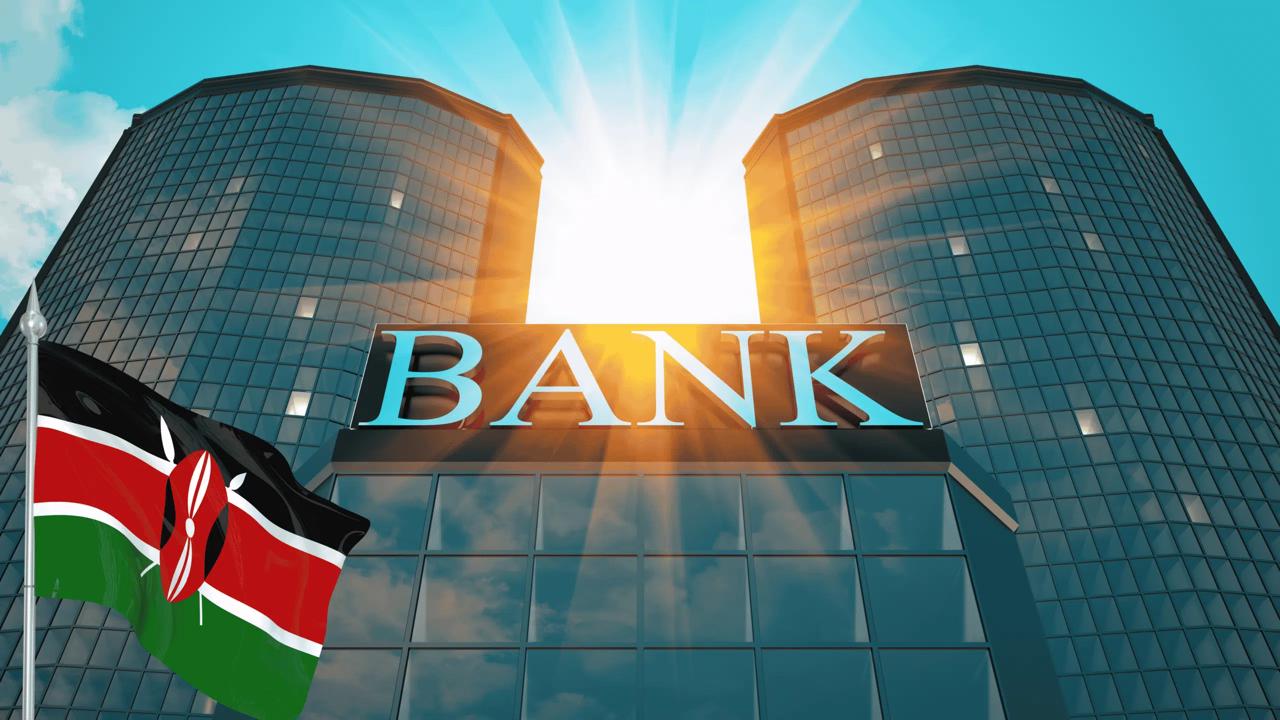
Kenya’s banking sector entered the latter part of 2025 facing a mix of steady resilience and real challenges. Banks continue to serve as the backbone of finance for households and businesses, processing payments, extending credit and offering savings vehicles, but they operate in an environment marked by sluggish economic growth, tighter funding conditions and heightened regulatory expectations. Higher global and domestic interest rates have pushed up the cost of funding for many lenders, compressing margins for those that cannot pass the full cost to borrowers. At the same time, demand for credit remains uneven: some segments such as mortgages and trade finance show modest recovery, while consumer lending and small-business credit are constrained by borrower caution and affordability pressures.

Digital transformation remains a defining trend. Banks are investing heavily in mobile, API integrations and automated services to cut transaction costs and meet customers where they are. This shift has improved convenience for many savers and small businesses but also increases competition from nimble fintech firms and mobile money platforms that capture parts of the payments and short-term credit markets. As a result, traditional banks are rethinking product design, pricing and partnerships to protect deposit bases and grow fee income.

Regulatory oversight has also tightened, with authorities focusing on financial stability, anti-money-laundering controls and consumer protection. Banks face higher compliance costs and closer supervision, which is intended to reduce systemic risk but can limit agility. Liquidity management is a daily concern for treasury teams, which must balance regulatory reserve requirements, wholesale funding needs and the desire to support lending. Market volatility and political events periodically test deposit flows, underscoring why many institutions maintain cautious balance-sheet strategies.

For ordinary savers and investors, the environment suggests a careful approach: seek instruments that combine transparency, liquidity and steady returns rather than chasing high-risk opportunities. Well-managed banks still offer useful products, but customers increasingly value digital access, clear pricing and responsive service. In this setting, money-market and short-term fixed-income vehicles can be useful for parking cash while retaining flexibility.


RELATEDPOSTS

Why the Two-tiered Structure in NSSF is Important

January 23, 2026

Public enterprises in the capital market

January 23, 2026

To protect short-term savings while maintaining easy access to funds, consider the Cytonn Money Market Fund (CMMF)  a regulated, liquid option designed for steady returns and transparency.
📞 Call +254 (0) 709 101 200 or 📧 email sales@cytonn.com to learn more.

Previous Post

The quiet world of micro private equity

Next Post

KCB m-Pesa: Transforming digital lending and savings for kenyans

Marcielyne Wanja

Marcielyne Wanja

Related Posts

News

Public enterprises in the capital market

January 23, 2026
News

Why Bank Lending Rates Remain Sticky Despite CBK Policy Signals

January 23, 2026
News

The Rising Foreign Ownership of Kenyan Banks: Opportunity, Risk, or Market Maturity?

January 23, 2026
News

Fuel price decline as a hidden stimulus

January 23, 2026
News

Beyond Representation: Are Kenya’s Foreign Missions Engines of Economic Growth?

January 23, 2026
News

Beyond Compliance: Why Money Laundering Is a Development Problem

January 23, 2026

LATEST STORIES

Why the Two-tiered Structure in NSSF is Important

January 23, 2026

Public enterprises in the capital market

January 23, 2026

Why Bank Lending Rates Remain Sticky Despite CBK Policy Signals

January 23, 2026

The Rising Foreign Ownership of Kenyan Banks: Opportunity, Risk, or Market Maturity?

January 23, 2026

Fuel price decline as a hidden stimulus

January 23, 2026

Beyond Representation: Are Kenya’s Foreign Missions Engines of Economic Growth?

January 23, 2026

Beyond Compliance: Why Money Laundering Is a Development Problem

January 23, 2026

LAPSSET: Delayed Vision or Long-Term Bet on Regional Integration?

January 23, 2026
  • About Us
  • Meet The Team
  • Careers
  • Privacy Policy
  • Terms and Conditions
Email us: editor@thesharpdaily.com

Sharp Daily © 2024

No Result
View All Result
  • Home
  • News
    • Politics
  • Business
    • Banking
  • Investments
  • Technology
  • Startups
  • Real Estate
  • Features
  • Appointments
  • About Us
    • Meet The Team

Sharp Daily © 2024