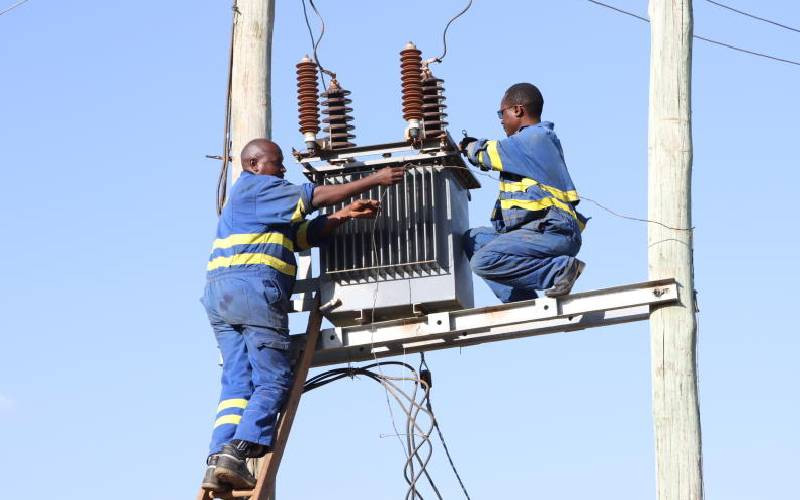
Kenya is once again implementing controlled power rationing, particularly during evening peak hours, as local electricity generation has failed to keep pace with rising demand. While demand growth continues to accelerate, the domestic capacity to meet that demand has remained stagnant for years, prompting renewed dependence on imported energy and raising serious questions about long-term energy security.
Stagnant local generation meets rising demand
Local power generation has hovered around 12.57 billion kWh over the past three years, with little increase. Meanwhile, consumption has steadily risen – reaching 10.75 billion kWh in the most recent reporting period, up from 10.32 billion kWh earlier. This widening gap has forced Kenya Power to increase imports to fill the shortfall, contributing to the re-emergence of load‑shedding.
Power rationing returns amid supply shortfalls
In early November 2025, the government confirmed that rolling blackouts would be implemented between 5:00 p.m. and 10:00 p.m. during peak hours. Energy officials explained that the rationing is a deliberate step to stabilize the grid and avoid a total system collapse. The shortfall is primarily driven by reduced hydropower output, as dam levels fluctuate, compounded by surging demand in urban and industrial areas.
Underlying causes: Policy, infrastructure, and climate
A key structural issue is the moratorium on new Power Purchase Agreements (PPAs), in place since 2018, which halted onboarding of new independent power producers (IPPs). This has constrained the addition of fresh generation capacity from both renewable and non-renewable sources. Without new projects, existing plants especially geothermal and hydropower bear growing pressure to meet demand.


Hydropower, a significant share of Kenya’s generation mix, is also under threat from siltation and climate-driven droughts. Many of the dams were built decades ago, and silt buildup has reduced their effectiveness. Key plants are aging, creating declining generation performance.
Transmission and distribution infrastructure also faces challenges. System losses both technical and commercial remain high, limiting the effective delivery of generated power.
Dependence on imports grows
To plug the gap, Kenya is increasingly importing electricity from neighboring countries. In the year to June 2025, Ethiopia supplied a large portion of Kenya’s imported electricity. These imports are relatively cost-effective but cannot fully substitute for domestic capacity, and they introduce supply-side vulnerability and geopolitical risk.
Calls for action and future risks
Kenya Power has called for an increase in local production to restore a safer reserve margin – ideally around 15%. Industry observers argue that without policy reform, infrastructure investment, and renewed commitment to domestic power generation, the current rationing could persist or worsen.
Critics also warn that relying too heavily on imports and short-term fixes undermines long-term energy independence and economic stability. As urbanization and industrialization accelerate, the stakes for Kenya’s energy sector continue to rise.
Kenya government confirms nationwide electricity rationing amid supply shortfalls