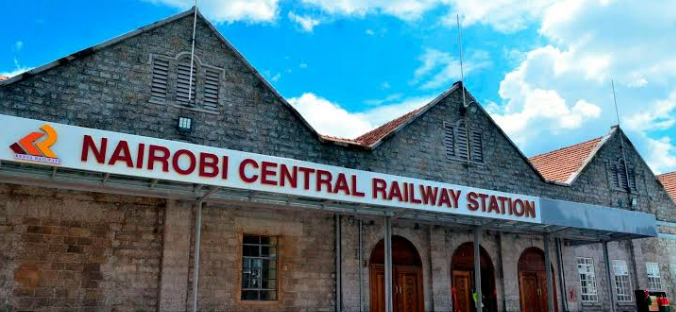
The Kenya Railways Corporation (KRC) continued to face significant financial pressure during the financial year ended June 2025, even as the Standard Gauge Railway (SGR) achieved a major operational milestone by recording its first operating surplus since commencing commercial operations in 2017. While the railway demonstrated improving commercial viability through stronger freight and passenger performance, the corporation’s overall financial position remained weighed down by substantial financing costs associated with the SGR’s construction. According to the corporation’s latest financial results, Kenya Railways reported a net loss of Kshs 28.2 bn for the year, an increase of approximately Kshs 477.0 mn from the Kshs 27.7 bn loss recorded in the previous financial year. This extends the corporation’s prolonged history of annual losses despite notable improvements in its core operating performance.
The strongest contributor to the improved operational results was freight transportation on the Standard Gauge Railway. Increased cargo volumes, coupled with continued growth in passenger traffic, boosted operating revenues sufficiently for the railway to cover its day-to-day operating expenses for the first time since its launch eight years ago. Achieving an operating surplus represents an important milestone, suggesting that the SGR is gradually becoming commercially sustainable from an operational perspective and is increasingly capable of financing its routine activities through internally generated revenues.
However, the operational gains were overshadowed by the significant cost of servicing the debt used to finance the railway’s construction. During the financial year, Kenya Railways incurred nearly Kshs 26.0 bn in interest expenses arising from the government’s on-lent loan that financed the SGR project. These financing costs effectively erased the railway’s operational improvements, resulting in the corporation posting another substantial net loss of approximately Kshs 28.0 bn. The continued losses have also contributed to a further deterioration in Kenya Railways’ balance sheet, with the corporation’s negative equity position widening during the year. This reflects the growing gap between the corporation’s liabilities and assets and underscores the long-term financial challenges facing the institution despite improvements in its operational efficiency.
The financial results have once again brought attention to the broader economic debate surrounding the Standard Gauge Railway. Supporters of the project argue that large-scale transport infrastructure should not be evaluated solely on its financial profitability. Instead, they contend that the railway delivers broader economic benefits through lower transportation costs, improved logistics efficiency, enhanced regional connectivity, and increased trade competitiveness. These indirect economic gains, they argue, justify the substantial investment even if direct financial returns remain constrained.


Conversely, concerns persist regarding the long-term sustainability of the project’s financing model. The sizeable debt servicing obligations continue to place considerable strain on Kenya Railways’ financial performance, raising questions about whether future traffic growth will generate sufficient revenue to offset both operational expenses and financing costs over time. Nevertheless, the emergence of an operating surplus provides evidence that the railway’s commercial fundamentals are strengthening. Sustained growth in freight volumes and passenger demand indicates that the SGR is becoming a more efficient transport corridor capable of supporting its ongoing operations without relying entirely on government support for day-to-day expenses.
Looking ahead, the corporation’s financial outlook will largely depend on its ability to further expand cargo and passenger volumes while addressing the heavy debt burden that continues to suppress overall profitability. Although the SGR has demonstrated that its operations can now generate sufficient income to cover operating costs, achieving full financial sustainability will require continued improvements in revenue generation alongside effective long-term debt management strategies.
Overall, the FY2024/25 results highlight two contrasting realities. Operationally, the Standard Gauge Railway has reached an important turning point by achieving its first operating surplus, reflecting stronger commercial performance and growing demand. Financially, however, Kenya Railways remains constrained by the substantial cost of servicing infrastructure debt, illustrating that the success of large public infrastructure projects depends not only on operational efficiency but also on sustainable financing structures. While the SGR appears increasingly capable of sustaining its operations, the question of whether it can ultimately finance the full cost of its investment remains unresolved.