
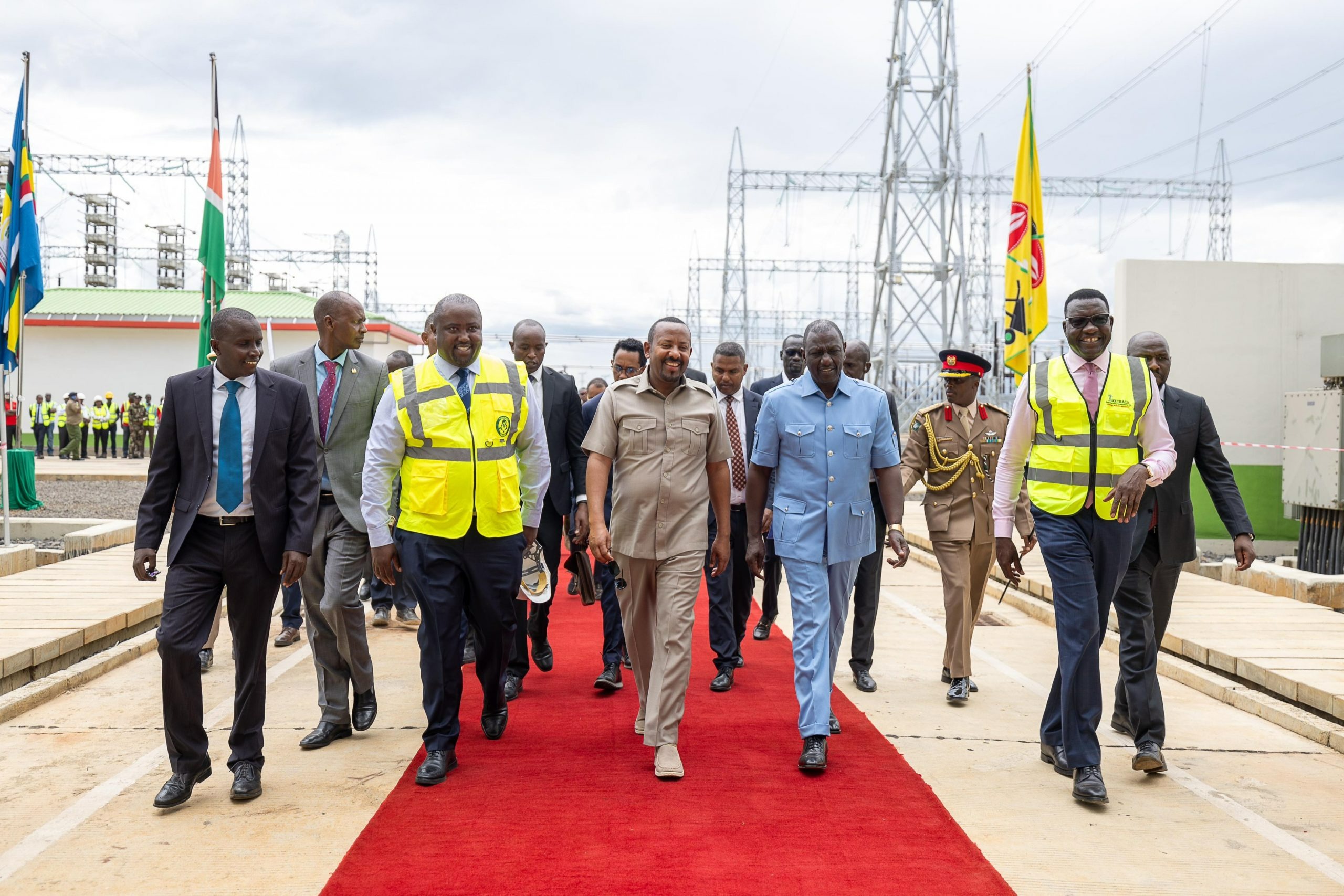
Kenya is relying on new geothermal power plants and increased electricity imports from Ethiopia to boost its reserve capacity and avoid power rationing as demand continues to rise.
The State Department for Energy says additional generation from Menengai, upgrades at existing geothermal plants, and higher imports will help stabilize the national grid. These measures aim to rebuild Kenya’s spinning reserves, which have remained below safe levels for several years.
Low reserves raise blackout risk
Spinning reserves refer to backup electricity that can be deployed quickly when a major power source fails. In Kenya, these reserves have stayed below five percent of total generation, far below the global benchmark of between seven and 15 percent.
This narrow margin has left the country exposed to outages, especially during peak demand periods or when large plants suffer breakdowns.


Kenya’s peak electricity demand currently stands at 2,439.06 megawatts (MW). Installed generation capacity is 2,882MW, excluding imports. While this suggests adequate supply, low reserves reduce the system’s ability to absorb shocks.
Energy Principal Secretary Alex Wachira said the situation has placed the country close to a crisis.
“We have seen a steady decline in spinning reserves. The new Menengai plants and KenGen’s upgraded unit will add 133 MW. Doubling imports from Ethiopia will help push reserves back to about eight percent, which we consider safe,” Mr Wachira said.
Menengai geothermal plants to add capacity
Three geothermal plants at the Menengai fields are expected to play a central role in restoring reserve margins. Together, they will add 70 MW to the grid.
British clean energy firm Globeleq and Chinese-backed Kaishan Group are each developing 35 MW plants. Sosian Energy, the third independent producer at Menengai, has supplied electricity since mid-2023.
OrPower 22, which is fully owned by Kaishan Group, has completed construction and will begin trial power deliveries to Kenya Power in March. Globeleq expects to complete its project by June.
Olkaria upgrade restores lost output
KenGen is also finalizing rehabilitation works at the Olkaria I geothermal plant. The upgrade will increase output from 45 MW to 63 MW.
The plant has been offline since 2023 after it was shut down for refurbishment. Once operational, it will restore capacity that has been missing from the grid for nearly two years.
Ethiopia’s imports are expected to double from 2026
Kenya Power will also increase electricity imports from Ethiopia. Under a 25-year power purchase agreement signed in 2022, imports will double from 200 MW to 400 MW starting in December 2026.
Imported hydropower has already helped Kenya avoid widespread blackouts since 2022, especially as electricity consumption surged.
Rising demand strains the grid
Electricity demand has increased due to the rise in connections and higher economic activity. Kenya now has more than 10.06 million electricity customers.
In 2025 alone, the country recorded five peak demand events. The highest was on December 4, when consumption reached 2,439.06 MW.
Low reserve margins have raised concerns about the grid’s resilience. A breakdown at a major facility, such as the 310 MW Lake Turkana Wind Power plant, could trigger widespread outages.
Outlook
Energy officials believe that the combination of new geothermal plants, upgraded facilities, and increased imports will stabilize the grid. The measures are expected to provide a buffer against demand spikes and improve reliability as electricity use continues to grow.