Sharp Daily
No Result
View All Result
Thursday, December 11, 2025
  • Home
  • News
    • Politics
  • Business
    • Banking
  • Investments
  • Technology
  • Startups
  • Real Estate
  • Features
  • Appointments
  • About Us
    • Meet The Team
Sharp Daily
  • Home
  • News
    • Politics
  • Business
    • Banking
  • Investments
  • Technology
  • Startups
  • Real Estate
  • Features
  • Appointments
  • About Us
    • Meet The Team
No Result
View All Result
Sharp Daily
No Result
View All Result
Home Investments

Kenya Pipeline IPO deadline extended to 2026 and what it means for the Privatization Agenda

Christine Akinyi by Christine Akinyi
October 9, 2025
in Investments
Reading Time: 2 mins read

Kenya’s privatization drive has taken a slower turn following the government’s decision to push back the Kenya Pipeline Company (KPC) initial public offering (IPO) deadline to March 2026. The extension reflects both the ambition and the complexity of listing one of the country’s largest state corporations, at a time when investor confidence in the Nairobi Securities Exchange (NSE) remains fragile.

The KPC IPO has long been viewed as a flagship transaction under President William Ruto’s plan to open up government-owned enterprises to private ownership and capital market participation. Initially expected by September 2025, the revised deadline allows the state and the Privatization Commission to complete critical groundwork, including company valuation, risk assessment, and the appointment of transaction advisors, all of which are essential before the firm can go public.

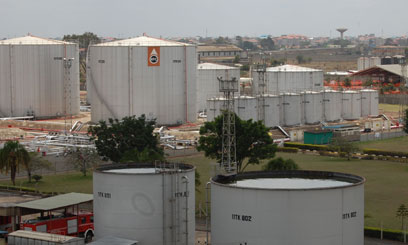
The delay, however, also signals the practical challenges of bringing a strategic parastatal to market. KPC plays a central role in Kenya’s fuel supply chain, and its financials are tied to multiple liabilities and contingent risks. Ongoing compensation claims, project-related disputes, and asset valuation issues could complicate the listing process and potentially affect investor appetite. Addressing these matters transparently will be key to building credibility among both local and foreign investors.

Beyond the operational hurdles, this development highlights the broader slow pace of privatization in Kenya. The country has not seen a major IPO since 2015, and the last large-scale government listing was the Safaricom IPO in 2008. Reviving the IPO market will require more than just listing parastatals, it will demand restoring confidence in capital markets, ensuring regulatory clarity, and creating a predictable policy environment for investors.


RELATEDPOSTS

Rural banking expansion: how financial literacy drives economic inclusion in Kenya

November 20, 2025

Employers face criminal charges over unpaid pension deductions.

November 19, 2025

That said, the eventual listing of KPC could still mark a turning point. If executed successfully, it would not only attract capital inflows but also set a precedent for other state-owned enterprises, including those in energy and infrastructure, that may be slated for partial privatization. Moreover, it would give Kenyan retail investors a chance to own a stake in one of the country’s most critical logistics assets, a symbolic step toward democratizing national wealth.

In essence, while the extension to 2026 may appear as a delay, it also offers an opportunity. It gives the government time to strengthen corporate governance at KPC, clean up its balance sheet, and ensure that the listing, when it happens, stands as a credible milestone in Kenya’s journey toward a more open, investment-driven economy.

Previous Post

Audit reveals gaps in Kenya’s unclaimed assets system

Next Post

Kenya’s NFIS 2025–2028: Advancing financial inclusion and well being

Christine Akinyi

Christine Akinyi

Related Posts

Analysis

Investing in 2026: because “nitaanza kesho” has expired.

December 10, 2025
Safaricom raises KSh 20 Billion from green bond, set to return excess funds to investors
Investments

Safaricom raises Ksh 20 billion from green bond, set to return excess funds to investors

December 10, 2025
Analysis

Vodacom to Acquire 55% Stake in Safaricom in $2.1B Deal

December 8, 2025
Analysis

Vodafone Safaricom acquisition: KES 204 billion deal sparks national sovereignty debate in Kenya

December 5, 2025
Analysis

Safaricom launches ksh 15B green bond with 5B greenshoe

December 2, 2025
Analysis

Why Kenya doesn’t need a second bond exchange: the case against market fragmentation.

December 3, 2025

LATEST STORIES

Commodities rally signals resilience, but not necessarily a global reacceleration

December 10, 2025

Kenya’s Growing Credit Culture

December 10, 2025

The Rise of Corporate Bonds

December 10, 2025

Kenya’s real estate market shows mixed recovery in late 2025

December 10, 2025

Investing in 2026: because “nitaanza kesho” has expired.

December 10, 2025

Loan apps in Kenya: How they work and what makes them stand out

December 10, 2025
Safaricom raises KSh 20 Billion from green bond, set to return excess funds to investors

Safaricom raises Ksh 20 billion from green bond, set to return excess funds to investors

December 10, 2025

KCB m-Pesa: Transforming digital lending and savings for kenyans

December 9, 2025
  • About Us
  • Meet The Team
  • Careers
  • Privacy Policy
  • Terms and Conditions
Email us: editor@thesharpdaily.com

Sharp Daily © 2024

No Result
View All Result
  • Home
  • News
    • Politics
  • Business
    • Banking
  • Investments
  • Technology
  • Startups
  • Real Estate
  • Features
  • Appointments
  • About Us
    • Meet The Team

Sharp Daily © 2024