
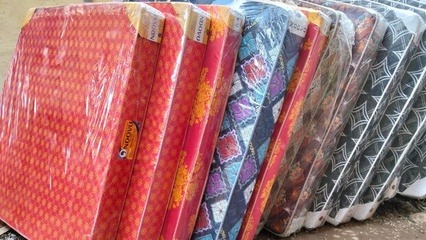
Kenya’s competition watchdog has intensified scrutiny of the mattress manufacturing sector, raising the stakes for firms accused of engaging in anti-competitive behaviour that could distort prices and limit consumer choice.
The Competition Authority of Kenya (CAK) has launched a wide-ranging investigation targeting suspected cartel activity, conducting coordinated dawn raids on six manufacturers across Nairobi, Kiambu, Machakos, and Kisumu.
A Market Under Investigation
According to Dominic Omondi, Business Daily, the raids mark a significant escalation in regulatory enforcement within a sector that has quietly grown into a multi-billion-shilling industry. Investigators seized electronic devices, including mobile phones, hard drives, sales records, and internal reports, in a bid to uncover evidence of collusion.
Authorities are probing several potential violations, including:


- Price-fixing
- Market allocation
- Collusive tendering
- Abuse of market dominance
While the investigation is still ongoing, CAK has made it clear that any firm found guilty could face fines of up to 10 percent of its annual turnover.
Why the Mattress Market Matters
At first glance, mattresses may seem like a low-profile commodity. However, they are a staple household product used by millions of Kenyans. This makes the sector highly sensitive to price manipulation.
According to CAK Director-General David Kemei, the investigation is driven by concerns that coordinated practices among manufacturers could be undermining affordability.
“Our intervention seeks to establish whether collusive practices are undermining the affordability and accessibility of these products for ordinary households,” he said.
Prices in the Kenyan mattress market vary widely—from around Sh4,000 for basic foam products to over Sh150,000 for premium orthopaedic and memory foam options. This broad range reflects a market that is both expanding and diversifying, driven by rising consumer awareness around sleep quality and wellness.
Lessons From the Steel Sector
The current probe follows a precedent-setting case in the steel industry, where CAK penalised nine firms for collusion. The fines, amounting to Sh338.8 million, were later upheld by the Competition Tribunal.
In that case, investigators uncovered emails, WhatsApp conversations, and meeting records showing deliberate coordination among competitors to fix prices, restrict output, and even alter product specifications without reducing prices.
That ruling has strengthened CAK’s resolve to pursue similar cases across other sectors, including consumer goods like mattresses.
The Role of “Dawn Raids”
The use of dawn raids signals the seriousness of the investigation. Under Kenyan law, such operations are permitted when regulators believe that evidence could be concealed or destroyed if prior notice is given.
However, CAK has emphasised that the raids do not imply guilt. Instead, they are part of a broader evidence-gathering process that could take months to conclude, depending on the complexity of the case and the level of cooperation from the firms involved.
What Happens Next
Following the data collection phase, affected companies will have an opportunity to respond. They can present both written and oral submissions before the authority makes a final determination.
If wrongdoing is confirmed, CAK has several enforcement options:
- Imposing financial penalties
- Ordering firms to cease anti-competitive conduct
- Requiring corrective measures to restore fair competition
A Sector at a Turning Point
The investigation comes at a time when Kenya’s mattress industry is evolving rapidly. Demand for higher-quality sleep products has grown, with more consumers willing to invest in premium options.
At the same time, increased competition has brought pressure on pricing and margins—conditions that can sometimes incentivise collusion.
By stepping in, regulators are signalling that growth must be matched with compliance. Fair competition, they argue, is essential not only for protecting consumers but also for ensuring long-term industry sustainability.