Sharp Daily
  • News
  • Business
  • Technology
  • Real Estate
  • Opinion
  • About Us
No Result
View All Result
Sharp Daily
  • News
  • Business
  • Technology
  • Real Estate
  • Opinion
  • About Us
No Result
View All Result
Sharp Daily
No Result
View All Result
Home Economy

Kenya’s first domestic bond buyback hits target: implications for the economy

Kevin Cheruiyot by Kevin Cheruiyot
February 20, 2025
in Economy
Reading Time: 1 min read

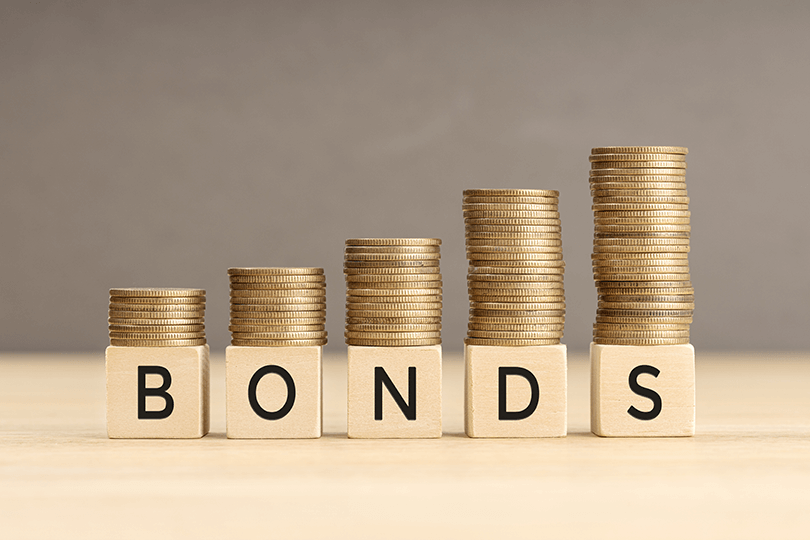
Kenya’s first-ever domestic bond buyback has been successfully executed, raising KES 50.8 bn—slightly surpassing the KES 50 bn target. This is debt management strategy as the government seeks to ease refinancing pressures ahead of major bond maturities in 2025.

In February, the Central Bank of Kenya (CBK) launched the bond buyback targeting three government securities worth KES 185.1 bn;3-year bond maturing in April 2025,5-year bond maturing in May 2025 and 9-year infrastructure bond maturing in May 2025. Following the buyback, the total amount due in April-May 2025 has been reduced to KES 135.1 bn, easing future repayment burdens.

Importance of Bond Buyback

  1. Reducing Refinancing Risk

By cutting the April-May 2025 maturities from KES 185.1 bn to KES 135.1 bn, the government has eased short-term repayment pressure, improving debt sustainability.


RELATEDPOSTS

Kenya shifts to bond financing for SGR and JKIA expansion

October 13, 2025

CBK announces KES 70 billion bond sale for infrastructure projects

January 24, 2025
  1. Managing Domestic Borrowing Pressures

The buyback comes as Kenya increases its domestic borrowing target for the 2024/25 fiscal year to KES 582.7 bn, up from KES 413.1 bn. Reducing short-term liabilities helps prevent excessive pressure on the local bond market.

  1. Supporting Investor Confidence

A successful buyback signals fiscal discipline, boosting confidence among investors and rating agencies in Kenya’s ability to manage debt effectively.

Kenya’s first domestic bond buyback demonstrates a proactive debt management approach, reducing refinancing risks and stabilizing the domestic bond market. As the government navigates rising borrowing needs, further buybacks and strategic bond issuances will be key in maintaining fiscal stability and investor confidence.


Previous Post

Wealth-building wednesday: Make midweek count with CMMF

Next Post

Kenya’s parliamentary majority status dispute heads to court of appeal

Kevin Cheruiyot

Kevin Cheruiyot

Related Posts

Economy

CBK holds benchmark rate at 8.75% for fourth consecutive time

October 8, 2026
Economy

Kenya’s Central Bank Rate on the line as core inflation rises

October 5, 2026
Economy

Why investors need better information on troubled companies

October 2, 2026
Economy

Kenya’s inflation pushes to 6.8% in September

September 30, 2026
Analysis

Kenya’s domestic debt rises to kSh7.73 trillion

September 28, 2026
Analysis

Sub-Saharan Africa Raises $9.3 Billion in Eurobonds as Borrowing Returns

September 28, 2026

LATEST STORIES

Why access to affordable credit is critical for business growth

October 9, 2026

Why Matatu Fares Rise With the Rain and Never Come Back Down

October 9, 2026

Kenya Without an IMF Programme: What Does It Mean for the Economy and Investors?

October 9, 2026

Kenya’s kSh340 billion infrastructure fund goes live

October 9, 2026

Public Debt and Economic Growth

October 9, 2026

Part-time work in retirement and what it means for your pension

October 9, 2026

Lionel Messi’s Argentina Farewell

October 9, 2026

Shariah compliant investment products expand as Islamic finance nears $6 Trillion

October 9, 2026
  • About Us
  • Meet The Team
  • Careers
  • Privacy Policy
  • Terms and Conditions
Email us: editor@thesharpdaily.com

Sharp Daily © 2024

No Result
View All Result
  • News
  • Business
  • Technology
  • Real Estate
  • Opinion
  • About Us

Sharp Daily © 2024