Kenya continues to demonstrate resilience as one of East Africa’s leading economies despite ongoing global uncertainty. Recent data from the Kenya National Bureau of Statistics shows that real GDP grew by 4.9% in the first quarter of 2025, with projections placing annual growth between 4.5% and 5.4%. This performance has been supported by strong contributions from agriculture, manufacturing, transportation and trade, alongside steady growth in the services sector, which remains central to employment and household consumption.
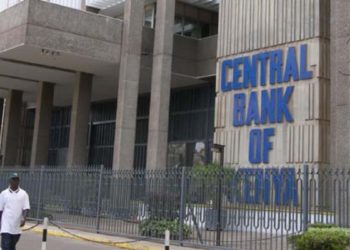
Inflation has remained relatively contained, enabling the Central Bank of Kenya to take a more accommodative stance. The benchmark interest rate was reduced to 10.0% in April 2025 in an effort to stimulate lending and economic activity. The move signals a shift toward supporting private sector investment, although the full impact on credit uptake and business expansion is still unfolding.
At the same time, the country continues to face significant fiscal and debt pressures. Public debt remains high, prompting the government to target a fiscal deficit of 4.5% of GDP for the 2025/26 financial year. This commitment to fiscal consolidation aims to strengthen stability and reduce reliance on borrowing. However, the World Bank has noted that high levels of government borrowing over recent years have placed pressure on private sector credit, limiting access to financing for businesses and entrepreneurs.
Labour market trends also present structural challenges, as job creation in the formal sector remains slow while a large share of the population continues to depend on informal or low-income work. This disconnect raises questions about how economic growth can be made more inclusive and supportive of long-term social welfare.


Despite these constraints, Kenya’s economy holds several promising opportunities. Key growth areas include digital finance, fintech innovation, agriculture, infrastructure and renewable energy. As more consumers seek safe, accessible financial solutions, demand continues to rise for products such as money market funds and digital investment platforms, which offer liquidity, transparency and competitive returns. These shifting preferences suggest potential for meaningful financial inclusion and increased participation in formal investment channels.
While risks remain linked to weather patterns, commodity prices, external debt conditions and overall credit availability, the broader macroeconomic environment shows signs of stability and gradual improvement. With the right balance of policy discipline and private sector support, Kenya is positioned to maintain steady economic progress in 2025.
CTA:
Take the first step toward smarter, simpler investing today with the Cytonn Money Market Fund — designed for stability, transparency, and growth.
📞 Call +254 (0) 709 101 200 or 📧 email sales@cytonn.com to learn more.