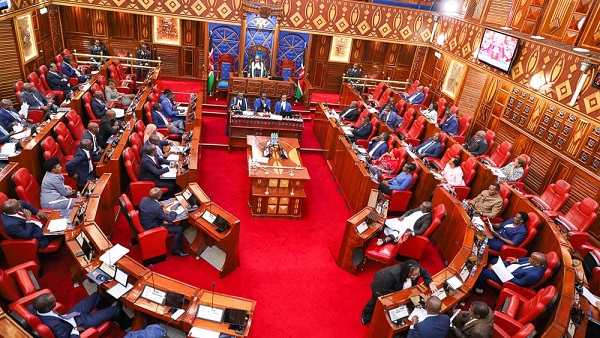
Kenya’s cooperative sector, long hailed as the backbone of community enterprise, is set for a major overhaul under the proposed Cooperatives Bill (2024), which seeks to replace the Cooperative Societies Act (Cap 490) that has governed the movement since 1997. The bill which was passed by the National Assembly on 3rd December 2024 and forwarded for consideration by the Senate on 16th January 2025 seeks to modernize the legal framework to reflect constitutional devolution, strengthen governance and protect members’ savings in a sector now managing hundreds of billions of shillings in assets.
One of the most striking departures from the current law is the move to limit primary cooperatives to a single business objective. Under the old Act, societies were permitted to pursue multiple functions, for example, combining agricultural production with savings and credit or housing. While that flexibility spurred rapid growth, it often blurred accountability and risked mismanagement. The new Bill demands that each cooperative focus on one clear purpose, unless authorized by the Commissioner for Cooperative Development. The intention is to promote professional management, financial discipline and transparency in operations.
The Bill clarifies branding and naming conventions, requiring savings and credit societies to include the term “Sacco” in their names and barring other businesses from using cooperative-related designations without registration. On governance, the bill stipulates that elected board members will serve for three-year terms and are eligible for re-election. This is designed to encourage renewal and curb conflicts of interest that have eroded trust in some cooperatives. According to the bill, to be eligible for election as a board member, an individual must have a minimum of secondary level education and must not have been a member of the supervisory board or nomination committee alongside meeting other integrity criteria.
A further shift is seen in regulatory oversight. Under Cap 490, the Commissioner of Cooperatives held broad, but often under-resourced powers and county governments had little clarity on their role after devolution. The new Bill remedies this by creating an Inter-Government Cooperative Relations Technical Forum to coordinate national and county inspection and dispute resolution at local level, ensuring supervision is both closer to members and consistent nationwide. To strengthen accountability, the Bill enhances requirements for auditing, disclosure and member protection. Cooperatives will have to present timely audited accounts. Every cooperative is required to file an annual return that is accompanied with a certified true copy of the audited financials of the Cooperative for each period of twelve months. If financial statements are not audited within the prescribed period, members of the board automatically lose their positions in the next annual general meeting and shall not be eligible for re-election for three years unless determined otherwise by the Commissioner.


Collectively, these reforms mark the most ambitious restructuring of the sector in nearly three decades. By aligning the cooperative framework with the 2010 Constitution, embedding modern governance standards and enforcing greater transparency, the proposed law aims to restore confidence in a movement that continues to play a central role in Kenya’s social and economic transformation.