Kenya has initiated a significant reform of its public financial management system, transitioning from cash-basis to accrual-basis accounting over the next three years. The move, announced by the National Treasury on Thursday, aims to enhance transparency and accountability in government financial reporting.
The shift to International Public Sector Accounting Standards (IPSAS) accrual basis will affect national and county governments, as well as their respective entities. It follows cabinet approval in March and subsequent gazetting in August 2024.
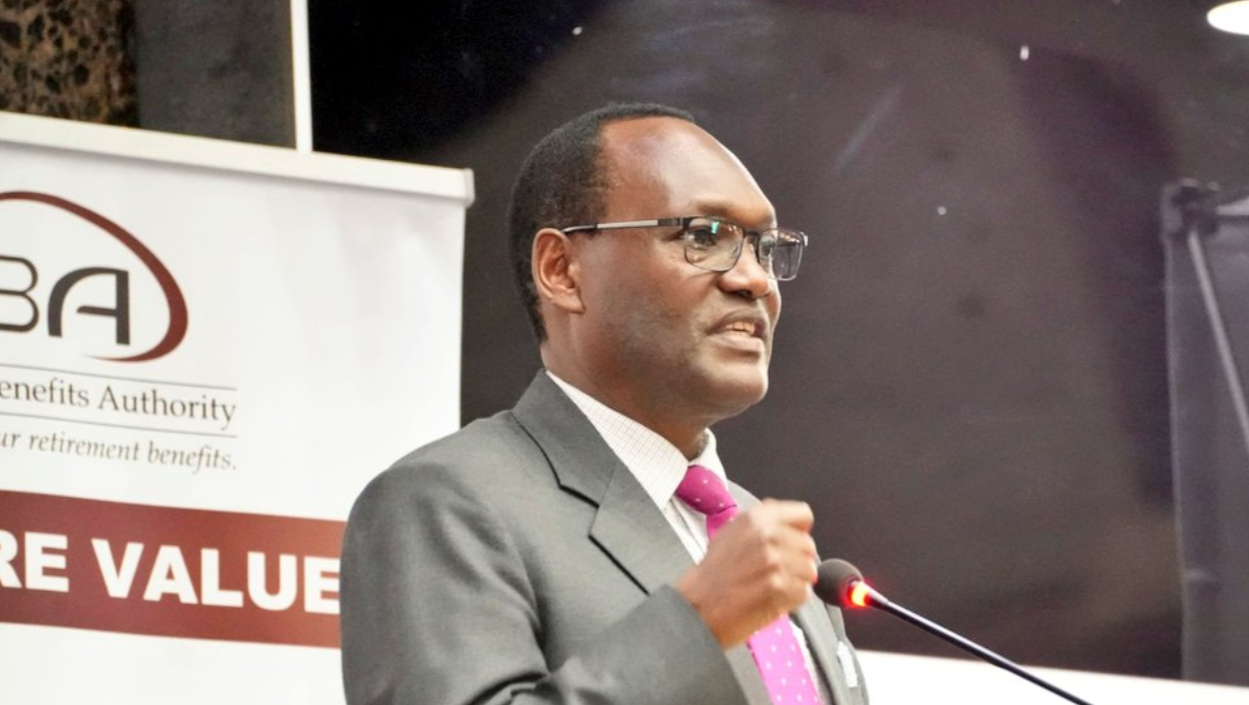
Dr. Chris Kiptoo, Principal Secretary of the National Treasury, said: “This reform is essential to improving financial management and enhancing the accuracy of public sector financial reports. It will allow the government to present a fuller picture of its financial position.”
The transition represents a significant departure from the current cash-based system, where transactions are recorded only when money changes hands. Accrual accounting recognizes revenues and expenses when they are earned or incurred, regardless of cash flow timing.


This change is expected to provide a more comprehensive view of the government’s financial health by requiring the recognition of assets, liabilities, revenues, and expenditures. It comes as Kenya seeks to align its financial reporting with global standards and improve decision-making processes.
The move builds on a decade of reforms following the 2010 Constitution, which introduced the Public Financial Management Act of 2012 and established the Public Sector Accounting Standards Board in 2014.
“Over this period, Ministries, Departments, Agencies, and County Governments have advanced their financial accounting capabilities, making them well-positioned for this transition,” Dr. Kiptoo stated.
A steering committee, appointed by the Cabinet Secretary for the National Treasury and Economic Planning, will oversee the implementation process. The effective date for the accrual basis is set for 1st July 2024, with the first accrual-based financial statements expected for the financial year ending 30th June 2025.
The National Treasury plans to support the transition by providing guidance on asset and liability valuation, enhancing the Integrated Financial Management Information System (IFMIS), and building capacity among public sector personnel.
However, the reform is not without challenges. It will require a detailed review of existing financial processes, revision of the Standard Chart of Accounts, and reengineering of the IFMIS system. Public entities will also need to develop and adopt accrual-based financial statement templates.
Dr. Kiptoo acknowledged these hurdles but expressed confidence in overcoming them: “With the support of the steering committee and key stakeholders, these challenges will be navigated successfully.”