Sharp Daily
No Result
View All Result
Saturday, December 13, 2025
  • Home
  • News
    • Politics
  • Business
    • Banking
  • Investments
  • Technology
  • Startups
  • Real Estate
  • Features
  • Appointments
  • About Us
    • Meet The Team
Sharp Daily
  • Home
  • News
    • Politics
  • Business
    • Banking
  • Investments
  • Technology
  • Startups
  • Real Estate
  • Features
  • Appointments
  • About Us
    • Meet The Team
No Result
View All Result
Sharp Daily
No Result
View All Result
Home News

KCB to forego dividends for the first time in 21 years

Austin Wekesa by Austin Wekesa
March 21, 2024
in News
Reading Time: 2 mins read
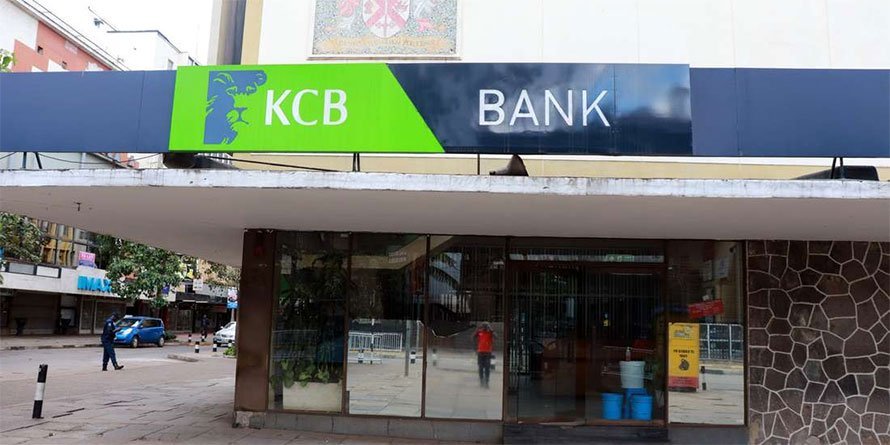
KCB

[Photo/ Courtesy]

KCB Group shareholders will forego dividends for the first time in 21 years in a strategic move to fortify its capital reserves amidst a decline in profitability.

The decision comes as the Group experienced an 8.3% decrease in net profit, amounting to KES 37.5 billion in 2023, down from KES 40.8 billion in the previous year.

The Board of Directors, led by CEO Paul Russo, emphasized the imperative to preserve capital, particularly for KCB Bank Kenya, amid challenging economic conditions.

Additionally, the board confirmed the sale of its stake in NBK to Access Bank for KES 13.2 billion, with Russo aiming to conclude the deal within 6-9 months. The move is intended to strengthen the Group’s financial position and support future growth initiatives.

RELATEDPOSTS

KCB m-Pesa: Transforming digital lending and savings for kenyans

December 9, 2025

Rural banking expansion: how financial literacy drives economic inclusion in Kenya

November 20, 2025

This suspension of dividends marks the first occurrence since 2002, during the tenure of former CEO Terry Davidson. Dividend payouts, which peaked at KES 3.5 per share in 2020, totaled KES 11.1 billion, have fluctuated over the years.

Despite a 19.5% increase in net profit in 2022, dividends fell to KES 2 per share, totaling KES 6.4 billion. However, in 2023, operating expenses surged by 60.9% to KES 116.8 billion, leading to a decrease in net profit despite a 27.2% growth in operating income to KES 165.2 billion.

The rise in expenses was attributed to a 2.5 times increase in provision for loan defaults, amounting to KES 33.6 billion, impacted by downgraded loans in Kenya and forex provisions due to currency depreciation.

Additionally, gross non-performing loans rose to KES 208.3 billion from KES 161.2 billion. Staff costs increased by 26% to KES 38.1 billion, reflecting the consolidation of TMB after its acquisition for KES 25.1 billion in December 2022.

Operating expenses surged due to a 76.8% rise in depreciation to KES 7.1 billion and a 61% growth in other costs to KES 34.6 billion. Russo highlighted the necessity of a “clean-up” process to address non-performing loans, necessitating tough decisions.

Despite economic challenges, KCB Group experienced strong organic growth, supporting customers through its loan book.

In conclusion, the suspension of dividends underscores KCB’s strategic reorganization to bolster its capital reserves amidst declining profits, characterized by rising expenses, increased loan provisions, and the divestment of its NBK stake, all aimed at securing future growth prospects.
Previous Post

Governor Sakaja under scrutiny for cancelling meeting with Senate

Next Post

Motorcycle sales drop by 52% in 2023, hits 15-year low

Austin Wekesa

Austin Wekesa

Related Posts

News

Kenya’s Shift to Risk-Based Lending: Why Banks Are Finally Embracing the Model They Once Resisted

December 13, 2025
News

Why Kenya Needs Clear Zoning: Protecting Agricultural Land from Residential Encroachment

December 13, 2025
News

How Poor Urban Planning Is Holding Back Business Growth in Kenya

December 13, 2025
News

Can Micro-Pension Schemes Solve Kenya’s Informal Sector Savings Crisis?

December 13, 2025
News

How Small Bank Fees Become Big Money: The Hidden Bill Behind Everyday Transactions

December 13, 2025
News

Can Kenya Become the Singapore of Africa? The Reforms Needed to Unlock a High-Growth

December 13, 2025

LATEST STORIES

Kenya’s Shift to Risk-Based Lending: Why Banks Are Finally Embracing the Model They Once Resisted

December 13, 2025

Why Kenya Needs Clear Zoning: Protecting Agricultural Land from Residential Encroachment

December 13, 2025

How Poor Urban Planning Is Holding Back Business Growth in Kenya

December 13, 2025

Can Micro-Pension Schemes Solve Kenya’s Informal Sector Savings Crisis?

December 13, 2025

How Small Bank Fees Become Big Money: The Hidden Bill Behind Everyday Transactions

December 13, 2025

Can Kenya Become the Singapore of Africa? The Reforms Needed to Unlock a High-Growth

December 13, 2025

Is Government-Led Affordable Housing Good for Kenya’s Future?

December 13, 2025

Behavioral finance: Emotions that move the market

December 12, 2025
  • About Us
  • Meet The Team
  • Careers
  • Privacy Policy
  • Terms and Conditions
Email us: editor@thesharpdaily.com

Sharp Daily © 2024

No Result
View All Result
  • Home
  • News
    • Politics
  • Business
    • Banking
  • Investments
  • Technology
  • Startups
  • Real Estate
  • Features
  • Appointments
  • About Us
    • Meet The Team

Sharp Daily © 2024