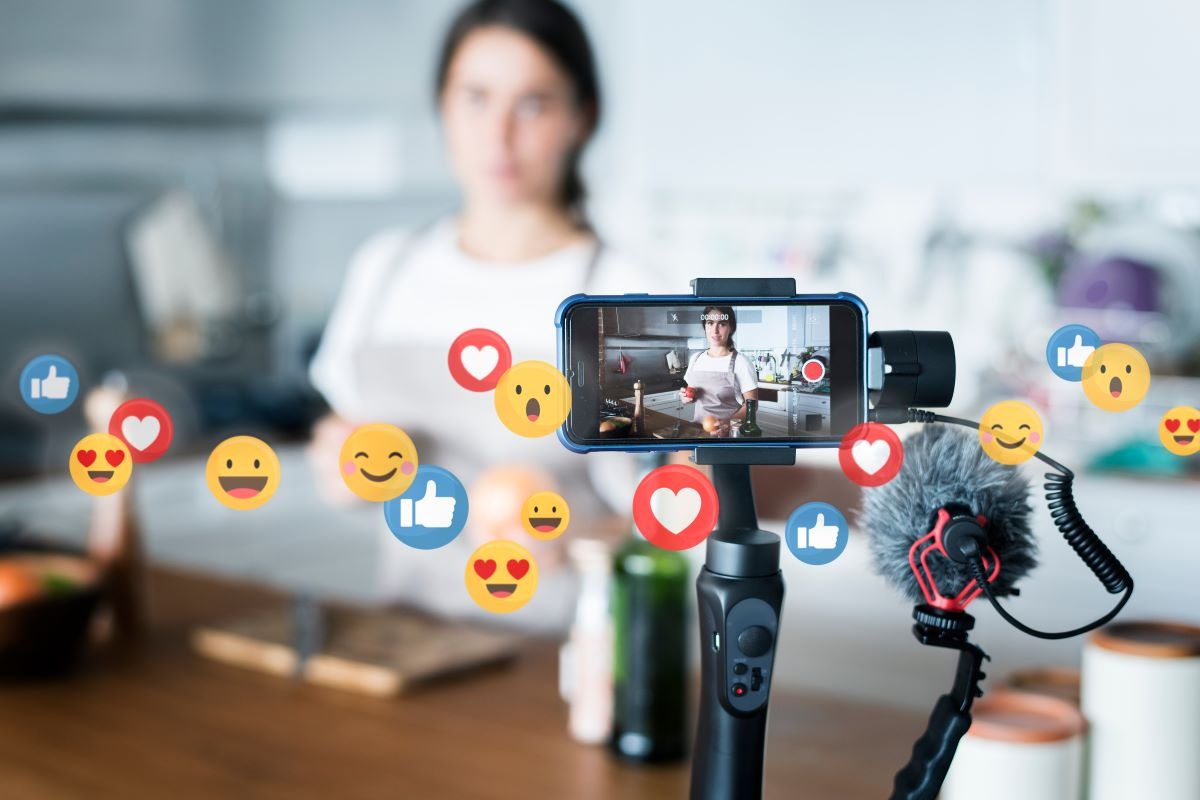
The way businesses reach customers is changing rapidly. Social media platforms and influencer marketing have become central to brand building, challenging the dominance of traditional advertising channels such as television, radio, and print. For many businesses, especially small and medium-sized enterprises, the question is no longer whether to use social media, but whether it works better than conventional advertising.
One of the strongest advantages of social and influencer-driven marketing is precision. Unlike traditional advertising, which broadcasts messages to broad audiences, social platforms allow businesses to target consumers based on interests, location, and behavior. Influencers add a layer of perceived authenticity, as their recommendations are often viewed as personal endorsements rather than corporate messaging. This can be particularly effective in markets where trust and relatability drive purchasing decisions.


Cost efficiency is another key factor. Traditional advertising often requires significant upfront spending, making it less accessible to smaller firms. Social media campaigns can be scaled gradually, tested quickly, and adjusted in real time. For growing businesses, this flexibility reduces risk and improves return on marketing spend. In practice, many firms find that a well-executed social campaign can deliver comparable reach at a fraction of the cost.
However, social media marketing is not without limitations. Reach does not always translate into conversion, and engagement metrics can be misleading. Influencer partnerships vary widely in quality, and poorly aligned collaborations can damage brand credibility. Additionally, algorithm changes and platform saturation mean that visibility is not guaranteed, even with consistent spending.
Traditional advertising still offers strengths that digital channels struggle to replicate. Mass media provides broad awareness, long-term brand positioning, and credibility, particularly for established companies and regulated industries. For certain products and demographics, traditional channels remain more effective at delivering consistent exposure.
The most successful strategies increasingly blend both approaches. Social media excels at engagement, feedback, and rapid experimentation, while traditional advertising supports scale and brand legitimacy. Together, they create a more resilient marketing mix.
Ultimately, influencers and social platforms are not simply replacing traditional advertising; they are reshaping the economics of how businesses grow. The opportunity lies in understanding their strengths and limitations, and using them strategically rather than exclusively. For businesses willing to adapt, the shift offers more than new channels, it offers a more responsive and efficient way to connect with consumers in a changing marketplace.
Start your investment journey today with the Cytonn Money Market Fund. Call + 254 (0)709101200 or email sales@cytonn.com