Sharp Daily
No Result
View All Result
Friday, December 19, 2025
  • Home
  • News
    • Politics
  • Business
    • Banking
  • Investments
  • Technology
  • Startups
  • Real Estate
  • Features
  • Appointments
  • About Us
    • Meet The Team
Sharp Daily
  • Home
  • News
    • Politics
  • Business
    • Banking
  • Investments
  • Technology
  • Startups
  • Real Estate
  • Features
  • Appointments
  • About Us
    • Meet The Team
No Result
View All Result
Sharp Daily
No Result
View All Result
Home News

IMF calls for fiscal reforms in Africa amid debt concerns

Brian Murimi by Brian Murimi
September 27, 2023
in News
Reading Time: 2 mins read

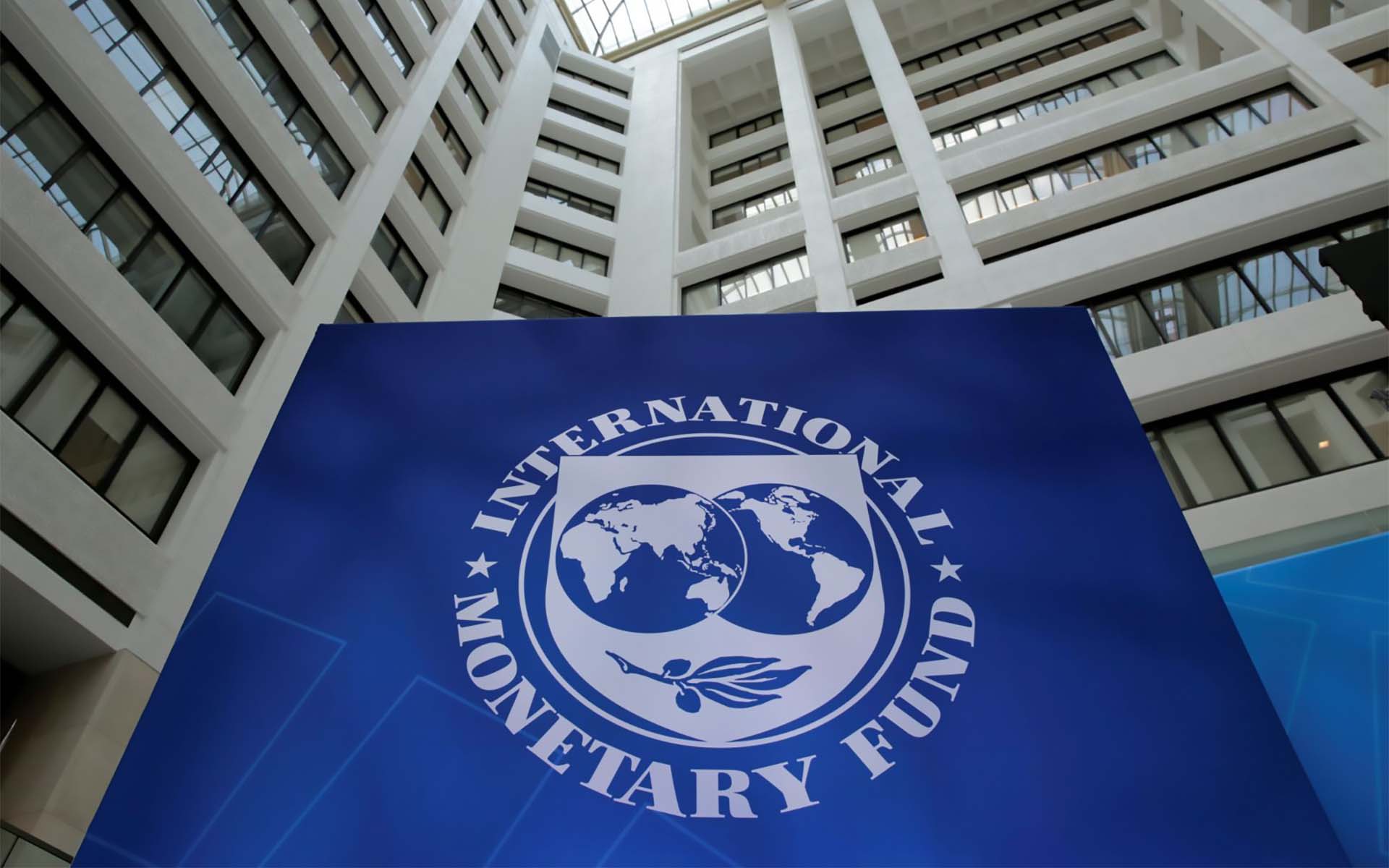
A new September report from the International Monetary Fund (IMF) has warned of a pressing need to rethink fiscal policy across sub-Saharan Africa due to cascading crises like COVID-19, Russia’s invasion of Ukraine and increasingly frequent extreme weather events.

IMF said the crises have amplified longstanding economic and social challenges and exacerbated fiscal vulnerabilities. Under current fiscal policy, the region’s debt-to-GDP ratio will continue rising over the next five years by more than 10 percentage points.

“Significant fiscal reforms are needed to rebuild buffers and preserve the sustainability of public finances, while also achieving the region’s development goals,” the report said.

Read more: Chipper Cash CEO Ham Serunjogi named to Biden’s Africa Advisory Council

RELATEDPOSTS

Investing in 2026: because “nitaanza kesho” has expired.

December 10, 2025

Tanzania’s independence day 2025: a nation mourns as celebrations give way to crisis

December 9, 2025

Although most countries have fiscal rules and budget frameworks, their ability to guide policy remains limited, the IMF said. Fiscal balances fail to respond to rising debt levels, deviations from budget plans are significant, primary surpluses are hard to sustain, and deficit ceilings are breached more often compared to other regions, it found.

Policymakers face tensions between development needs, low domestic revenue and excessive debt, creating difficult tradeoffs, the report said. Volatility, political instability and weak institutions hinder adjustment. Tight financing and unreliable donor aid also constrain options.

The IMF proposed a new methodology to set debt ceilings based on preserving debt servicing capacity, pointing to a median sustainable debt of 55% of GDP in Africa. Over half of countries topped their recommended ceiling in 2022.

“Adjustment needs are in the order of 2 to 3 percent of GDP over the next five years for the median country, and much larger in a few cases,” the IMF said. It called this feasible given past consolidation of around 1% of GDP yearly.

Read more: Government taps special forex reserves to settle KES 35 billion oil debts

Domestic revenue mobilization should play a greater role than just spending cuts, which can hurt growth, the IMF said. Reforms must be sequenced carefully with compensation to overcome resistance.

“Transparent communication on long-term benefits and costs of inaction are critical,” the report said.

The IMF highlighted strengthening budgeting, identifying fiscal risks, improving expenditure controls and boosting tax revenue as key institutional reforms needed in the region.

“The sustainability of a new fiscal strategy depends on the government’s ability secure public support by linking the policy measures to longer-term benefits,” the report concluded.

Email your news TIPS to editor@thesharpdaily.com

Previous Post

Chipper Cash CEO Ham Serunjogi named to Biden’s Africa Advisory Council

Next Post

Report: Why Kenya’s counties failed to achieve their budget aspirations

Brian Murimi

Brian Murimi

Brian Murimi is a journalist with major interests in covering tech, corporates, startups and business news. When he's not writing, you can find him gaming, watching football or sipping a nice cup of tea. Send tips via bireri@thesharpdaily.com

Related Posts

News

Are We Saving or Just Surviving? The New Meaning of Savings

December 19, 2025
News

Should Kenya’s National Infrastructure Fund Be a Corporate Entity?

December 19, 2025
News

Why Cash Still Matters in a Digital Money World

December 19, 2025
News

Tala’s USDC Credit Plan Signals a New Era for Blockchain-Based Lending

December 19, 2025
News

Health Insurance Fraud in Kenya: Why Insurers Must Rethink Their Risk Management Approach

December 19, 2025
News

Is Kenya Ready for Its Own Development Finance Institution?

December 19, 2025

LATEST STORIES

Are Pension Funds in Kenya Too Conservative for a Growing Economy?

December 19, 2025

Are We Saving or Just Surviving? The New Meaning of Savings

December 19, 2025

Should Kenya’s National Infrastructure Fund Be a Corporate Entity?

December 19, 2025

Why Cash Still Matters in a Digital Money World

December 19, 2025

Is Government a Facilitator or an Investor? Rethinking the State’s Role in Economic Development

December 19, 2025

Tala’s USDC Credit Plan Signals a New Era for Blockchain-Based Lending

December 19, 2025

Health Insurance Fraud in Kenya: Why Insurers Must Rethink Their Risk Management Approach

December 19, 2025

Is Kenya Ready for Its Own Development Finance Institution?

December 19, 2025
  • About Us
  • Meet The Team
  • Careers
  • Privacy Policy
  • Terms and Conditions
Email us: editor@thesharpdaily.com

Sharp Daily © 2024

No Result
View All Result
  • Home
  • News
    • Politics
  • Business
    • Banking
  • Investments
  • Technology
  • Startups
  • Real Estate
  • Features
  • Appointments
  • About Us
    • Meet The Team

Sharp Daily © 2024