Sharp Daily
No Result
View All Result
Monday, June 15, 2026
  • Home
  • News
    • Politics
  • Business
    • Banking
  • Investments
  • Technology
  • Startups
  • Real Estate
  • Features
  • Appointments
  • About Us
    • Meet The Team
Sharp Daily
  • Home
  • News
    • Politics
  • Business
    • Banking
  • Investments
  • Technology
  • Startups
  • Real Estate
  • Features
  • Appointments
  • About Us
    • Meet The Team
No Result
View All Result
Sharp Daily
No Result
View All Result
Home Real Estate

How Geographic Information Systems are shaping the future of real estate analysis

Lewis Muhoro by Lewis Muhoro
August 21, 2024
in Real Estate
Reading Time: 1 min read

Geographic Information Systems (GIS) have become a crucial tool in real estate, transforming how professionals analyze and interpret property data. GIS technology allows users to visualize and understand spatial relationships, making it easier to assess property potential. Some of the notable tools include QGIS, ArcGIS and Google Earth software that enhance the efficiency of real estate professionals.

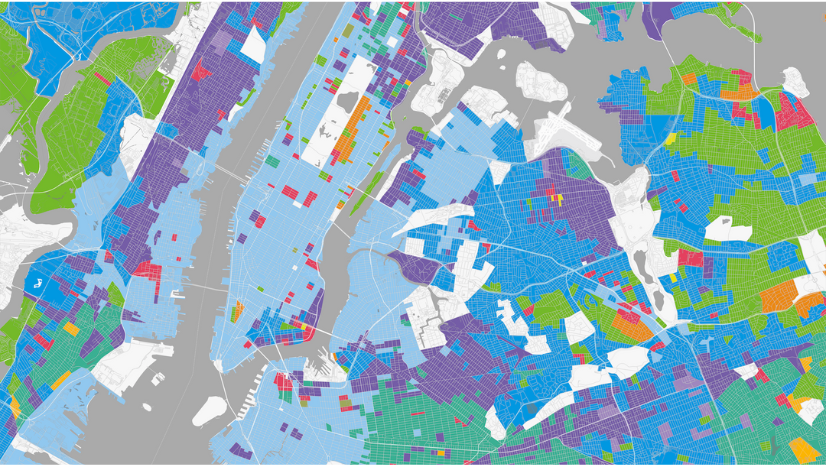
GIS focuses on location, a fundamental aspect of real estate. By layering data—such as demographics, land use, and zoning laws—on geographic maps, GIS provides a detailed view of any property or area. This enhanced perspective enables better decision-making and more accurate property valuations.

GIS allows for precise property valuation by integrating various data sources. Real estate professionals can assess factors like proximity to amenities, environmental risks, and market trends, leading to more accurate appraisals. This technology also aids in identifying emerging markets and investment opportunities by analyzing patterns and trends.

Urban planners use GIS to design more efficient, sustainable communities. By analyzing land use patterns, infrastructure, and population density, GIS helps in making informed decisions about zoning, transportation, and resource allocation. This results in better-planned developments that meet community needs while maximizing land use.


RELATEDPOSTS

Why urban Kenyans are turning to micro-homes and co-living spaces

November 5, 2025

Real Estate project financing models shaping successful developments

September 12, 2025

For real estate agents and developers, GIS provides a powerful tool for client engagement. Interactive maps and visualizations make it easier to communicate the potential of a property, helping clients make informed decisions. This technology also allows for personalized property searches based on specific criteria, improving the overall customer experience.

GIS is revolutionizing real estate by providing deeper insights into property data, improving valuations, and enhancing urban planning. As the technology continues to evolve, its impact on the industry will only grow, making GIS an essential tool for real


Previous Post

Ruto promises chiefs 1,000 electric vehicles to boost mobility

Next Post

Why letting go of control is the secret to peace

Lewis Muhoro

Lewis Muhoro

Related Posts

News

Nairobi satellite town land price growth slows as affordability pressures reshape market dynamics

May 4, 2026
Analysis

Kenya’s infrastructure push leans on private investment

April 30, 2026
Real Estate

Dollar-Denominated REITs Offer Kenyan Investors a Hedge Against Currency Volatility

April 10, 2026
Analysis

CMA ordered to pay cytonn kSh 10.5 million in landmark court ruling

March 19, 2026
Real Estate

WRC Safari Rally Revs Up Kenya’s Economy with Billions in Boost for Tourism and Local Businesses

March 13, 2026
Real Estate

The rise of street malls in the Nairobi Metropolitan Area

March 10, 2026

LATEST STORIES

June 12, 2026

Where Fintech Companies Actually Make Their Real Profits: Beyond Payments and Transaction Fees

June 12, 2026

Why Revenue Growth in Fintech Can Be Misleading: The Hidden Economics Behind Digital Payments

June 12, 2026

Finance bill 2026: key tax reforms and economic impact in kenya

June 12, 2026

INVISIBLE TRANSACTIONS: THE FUTURE OF PAYMENTS

June 12, 2026

Kenya’s Growing Reliance on Domestic Borrowing: Opportunity or Crowding-Out Risk?

June 12, 2026

Family Bank’s NSE Listing: A Long-Overdue Milestone for Kenya’s Capital Markets

June 12, 2026

Kenya’s Small Banks Given Until 2032 to Meet Kshs 10 Billion Core Capital Requirement

June 12, 2026
  • About Us
  • Meet The Team
  • Careers
  • Privacy Policy
  • Terms and Conditions
Email us: editor@thesharpdaily.com

Sharp Daily © 2024

No Result
View All Result
  • Home
  • News
    • Politics
  • Business
    • Banking
  • Investments
  • Technology
  • Startups
  • Real Estate
  • Features
  • Appointments
  • About Us
    • Meet The Team

Sharp Daily © 2024