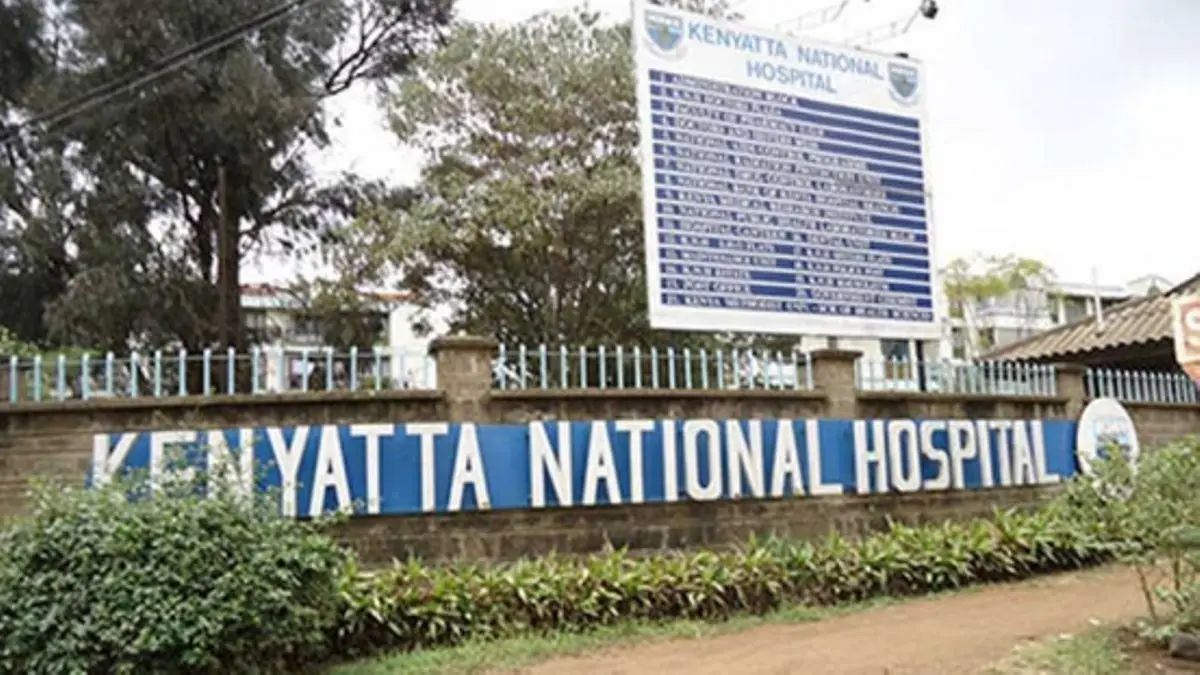
Kenyatta National Hospital, Kenya’s largest public referral and teaching hospital, is facing severe shortages of essential drugs, laboratory supplies, and patient meals, exposing growing strains within the country’s healthcare financing system. Despite the hospital generating between 40 million shillings and 60 million shillings daily from patient fees and insurance reimbursements, a government policy requiring all collected revenue to be transferred to a central national account has left the institution without immediate access to operational funds. This has significantly limited its ability to pay suppliers and maintain consistent delivery of essential services.
As a result of the cash flow constraints, the hospital has accumulated supplier debts estimated at 2.3 billion shillings. These arrears have disrupted procurement cycles, leading to shortages of medicines, laboratory reagents, and even food for in-patients. In recent weeks, nearly 500 patients were reported to be waiting for diagnostic tests due to the unavailability of reagents and consumables. Patients requiring specialized treatment have been among the hardest hit, with renal patients reportedly purchasing post-transplant medication privately since October, significantly increasing their financial burden.
The crisis has also affected the provision of basic patient care, including meals for admitted patients. Funding gaps have constrained catering services, raising concerns about patient nutrition, recovery outcomes, and dignity of care. Such disruptions at the country’s most advanced public hospital highlight the vulnerability of healthcare delivery systems that rely heavily on centralized funding mechanisms without sufficient operational flexibility.
Beyond the immediate operational challenges, the situation reflects broader pressures within Kenya’s universal health coverage framework. While the system is designed to improve access and affordability of healthcare, delayed reimbursements and rigid revenue-handling structures have weakened the ability of facilities to respond to urgent needs. The consequences of these systemic gaps have extended beyond inconvenience, with reports of preventable fatalities illustrating the risks posed by shortages of critical medical supplies. In one instance, a pregnant woman reportedly died after multiple facilities were unable to provide antivenom following a snakebite, underscoring the life-and-death implications of supply chain failures.


The developments at Kenyatta National Hospital raise important questions about sustainability, governance, and financial autonomy within public healthcare institutions. While centralization of funds aims to enhance oversight and accountability, the lack of timely access to operational revenue has exposed hospitals to service disruptions that directly affect patient outcomes. The situation demonstrates the importance of balancing financial controls with operational efficiency to ensure essential services remain uninterrupted.
For individuals and families, rising healthcare uncertainty reinforces the importance of financial preparedness. Medical emergencies often come with unexpected costs, especially when public facilities are constrained.
In times when essential services face funding challenges, building personal financial resilience is critical. Consider growing your savings through the Cytonn Money Market Fund (CMMF) a transparent and flexible option designed to help you maintain liquidity and stability while planning for both expected and unexpected expenses.
📞 Call +254 (0) 709 101 200 or 📧 email sales@cytonn.com to learn more.