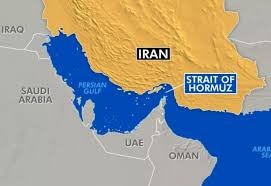
The escalation of the Iran-Israel-U.S. conflict has injected fresh volatility into global oil markets. Brent crude, the benchmark for international oil, surged briefly to USD 119.0 per barrel after tensions spiked near the Strait of Hormuz, a chokepoint through which roughly 20.0% of the world’s oil passes daily. Prices have since eased to around USD 85.0- USD 92.0, reflecting market expectations that the war may not escalate further, but the risk premium remains elevated.
For Kenya, an oil-importing economy, the implications are immediate and tangible. Fuel costs rise in tandem with crude prices, pushing up transport and logistics expenses across the country. The Energy and Petroleum Regulatory Authority’s pricing mechanism transmits these increases to pump prices, which then ripple through food and manufacturing sectors, driving headline inflation higher. Even modest oil price shocks can add 0.5-1.0 percentage point to annual inflation, straining household budgets.


Beyond inflation, Kenya faces balance of payments pressures. Petroleum imports constitute a significant share of the country’s import bill. Higher global prices increase foreign currency demand, widening the current account deficit and exerting pressure on the Kenyan shilling. With strategic petroleum reserves covering only about 30-45 days of supply, Kenya cannot buffer prolonged global supply disruptions the way countries like the U.S. or China can. Domestic crude discoveries in South Lokichar, estimated at 560.0 mn barrels, remain largely untapped due to infrastructure and financing constraints, meaning the country remains dependent on imports.
Monetary policy is also affected. Persistent imported inflation constrains the Central Bank of Kenya’s ability to lower rates, keeping borrowing costs high. The transmission chain, oil to fuel to transport to food to inflation, is classic but immediate, reinforcing the risk of stagflation if prices remain elevated.
Globally, the conflict impacts trade and production costs. Insurance premiums for shipping near the Gulf rise, cargo may be rerouted, and energy-intensive sectors face higher input costs. Even if the conflict remains geographically contained, markets will continue to price geopolitical risk into oil, keeping prices structurally higher than pre-war levels. Economists warn that sustained oil at USD 90 – USD100 per barrel could slow global growth, increase inflation, and maintain high interest rates, an echo of the 1970s energy shock.
For Kenya and other oil-dependent economies, the lesson is clear, distant geopolitical tensions can rapidly translate into domestic inflation, trade deficits, and tighter financial conditions. Strengthening energy security, diversifying supply, and building resilience against price shocks are no longer optional but essential for economic stability.
Start your investment journey today with the Cytonn Money Market Fund. Call + 254 (0)709101200 or email sales@cytonn.com