Climate change has become one of the most significant threats to Kenya’s economic stability, affecting key sectors that drive growth, employment and national revenue. Rising temperatures, erratic rainfall and frequent extreme weather events have made it increasingly difficult for the country to maintain predictable production cycles, manage resources efficiently and protect livelihoods. As climate patterns continue to shift, Kenya faces mounting economic pressures that require urgent and sustained adaptation.
Agriculture, which contributes a large share of Kenya’s GDP of 22.4% and employs millions, is the hardest hit. Unpredictable rainfall, prolonged droughts and frequent floods disrupt planting seasons, reduce crop yields and threaten livestock survival. Staple crops such as maize and export commodities like tea and coffee have suffered declining productivity, directly lowering farm incomes and weakening the country’s export earnings. Poor harvests also contribute to higher food prices, pushing inflation upward and reducing households’ purchasing power.
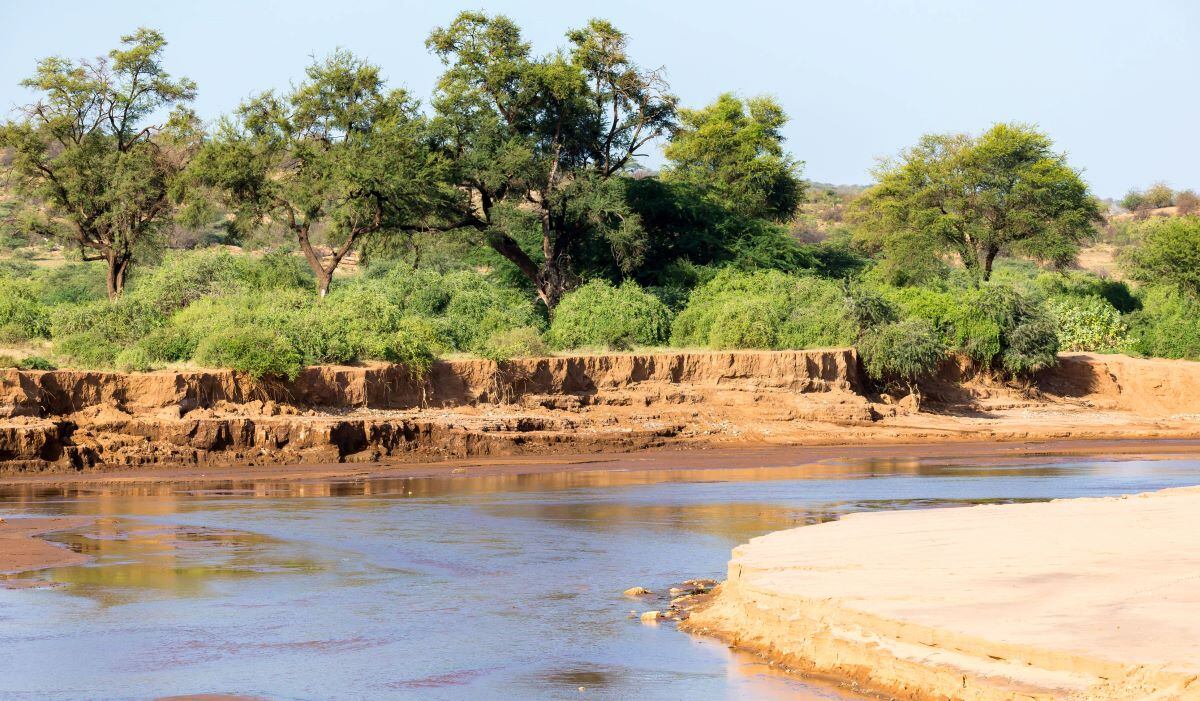
Water scarcity is another major challenge. Reduced river flows and declining dam levels affect irrigation, domestic supply and industrial operations. Hydropower generation, a key source of Kenya’s electricity, drops significantly during dry seasons. This forces the country to rely on more expensive thermal power, increasing energy costs for businesses and households and reducing competitiveness. Climate change has also affected tourism, a major foreign exchange earner. Droughts harm wildlife populations and disrupt migration patterns, while floods damage access roads and tourism infrastructure. These disruptions reduce the attractiveness of key destinations and may limit visitor numbers, ultimately affecting revenue and jobs in the sector
Infrastructure damage caused by floods, landslides and rising water levels adds further strain. Each year, the government spends billions repairing roads, bridges and rail lines. These unplanned costs divert funds from long-term development projects and increase financial pressure on an already stretched budget. The broader economic consequences are significant. More families face displacement, increasing the need for humanitarian support. Reduced production across sectors lowers tax revenue while raising government spending on relief, water trucking, food imports and climate adaptation. This combination contributes to fiscal pressure, borrowing needs and slower overall growth.


Climate change is no longer an environmental issue alone. It is an economic threat. For Kenya, addressing it requires stronger adaptation strategies, climate-resilient agriculture, better water management and sustained investment in green solutions to protect its future stability.