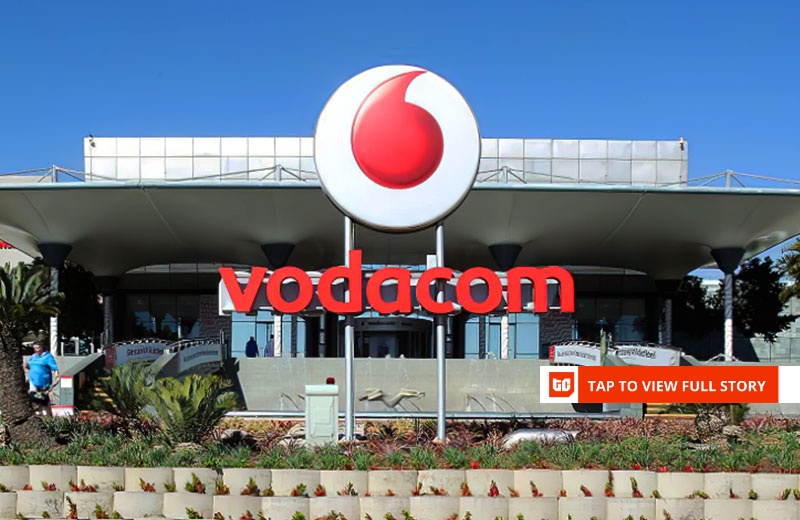
The Common Market for Eastern and Southern Africa (COMESA) has cleared Vodacom Group’s Sh272 billion transaction to raise its stake in Safaricom Plc from 35 percent to 55 percent, giving the South African operator effective control of Kenya’s largest telecommunications company. The approval was granted following a review by the COMESA Competition and Consumer Commission (CCCC), which determined that the deal is unlikely to substantially hinder competition or be contrary to the public interest across the regional market.
In a ruling published on March 2 2026, the CCCC said that it had assessed the multi-billion shilling bid and found no significant competition concerns that would warrant blocking the transaction. “The panel, therefore, determined that the merger was not likely to substantially prevent competition in the Common Market or a substantial part of it, nor will it be contrary to public interest,” the regulator said in its decision, adopted under Regulation 47 of the COMESA Competition and Consumer Protection Regulations.
Under the terms of the transaction, Vodacom agreed to buy a 15 percent stake from the Government of Kenya and a further five percent from Vodafone Group, its current partner, at a price of Sh34 per Safaricom share, totaling about Sh272 billion (approximately US$2.1 billion). Once complete, Vodacom’s direct and indirect holdings will give it a controlling stake in Safaricom, with the government’s shareholding reduced to around 20 percent and public investors retaining about 25 percent.
The COMESA approval removes a significant regulatory hurdle for the deal, which was initially notified not only to the COMESA regulator, but also to the East African Community Competition Authority (EACCA). Kenya’s own Competition Authority (CAK) opted not to conduct a full domestic review, instead deferring oversight to regional bodies because the transaction met supranational jurisdictional thresholds.
Safaricom remains a dominant player in Kenya’s telecommunications landscape, leading in mobile voice, data and the mobile money platform M-Pesa, which has become integral to the country’s financial ecosystem. Given this market position, the deal’s clearance was closely watched by industry analysts and stakeholders across the region.

While the COMESA ruling is a key step toward concluding the transaction, the deal still requires final regulatory clearances, including from the EAC Competition Authority under the East African Community Competition (Mergers and Acquisitions) Regulations, 2025, which came into force in late 2025. Observers say this is one of the first major merger inquiries under the new framework and a test case for regional regulatory coordination.