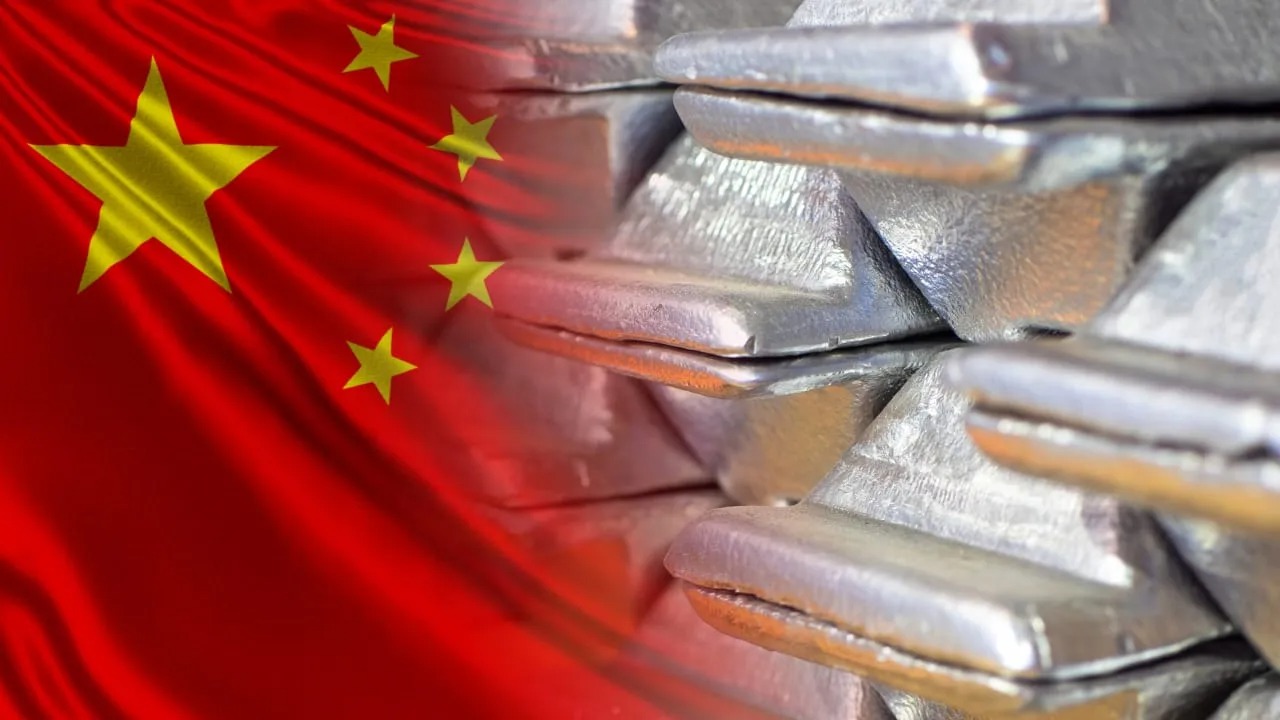
China is set to implement tighter controls on silver exports starting January 1, 2026, marking a significant shift in how the world’s largest refining and processing hub manages outbound shipments of the precious metal. While the policy stops short of imposing a direct export tariff on silver, analysts say the new licensing framework could function as a trade barrier with similar economic effects, particularly when viewed alongside ongoing global tariff tensions.
Under the revised rules, Chinese companies exporting silver will be required to obtain government issued export licences, limiting overseas shipments to approved entities that meet specific production, compliance, and regulatory thresholds. The measure represents a move away from a more open export regime and signals Beijing’s intention to prioritise domestic industrial demand for silver, which is critical for sectors such as electronics, renewable energy, and electric vehicle manufacturing.
Although China has not announced a percentage based export tax or tariff on silver, the licensing system introduces additional regulatory costs and administrative hurdles. Industry observers note that smaller exporters may struggle to qualify, potentially reducing the volume of silver available to international buyers.
The timing of the policy has drawn attention because it coincides with broader tariff disputes involving Chinese exports, particularly with Western economies. China has, in recent years, expanded its legal framework to manage strategic commodities more tightly during periods of trade friction, and silver has now joined a growing list of materials subject to closer oversight.

Silver prices surge ahead of 2026 deadline
Global silver markets have reacted strongly to the announcement. In late December 2025, silver prices surged to record highs above $80 per ounce, driven by expectations of tighter supply once the licensing rules take effect. Traders and industrial buyers have begun adjusting procurement strategies in anticipation of reduced availability from China.
Tariff context and strategic trade policy
While the silver measures themselves are regulatory rather than fiscal, they come amid a global environment marked by escalating tariffs on a range of Chinese goods. Trade analysts argue that export licensing can act as a strategic alternative to tariffs, allowing governments to influence global supply chains without formally breaching tariff commitments.
China’s revised trade laws adopted in late 2025 have expanded the government’s authority to restrict exports of materials deemed strategically important. This has raised concerns among importing nations that regulatory controls, combined with existing tariffs on downstream products, could amplify cost pressures across global manufacturing value chains.
Implications for global supply chains
Silver plays a vital role beyond investment markets, with heavy use in solar panels, electronics, medical equipment, and automotive technologies. Any sustained reduction in exports from China could intensify competition among buyers, increase price volatility, and accelerate efforts by other countries to secure alternative sources or boost domestic production.