Sharp Daily
No Result
View All Result
Wednesday, May 20, 2026
  • Home
  • News
    • Politics
  • Business
    • Banking
  • Investments
  • Technology
  • Startups
  • Real Estate
  • Features
  • Appointments
  • About Us
    • Meet The Team
Sharp Daily
  • Home
  • News
    • Politics
  • Business
    • Banking
  • Investments
  • Technology
  • Startups
  • Real Estate
  • Features
  • Appointments
  • About Us
    • Meet The Team
No Result
View All Result
Sharp Daily
No Result
View All Result
Home News

Calls for reform amid NCPB oversight concerns in fertiliser scandal

Allan Lenkai by Allan Lenkai
May 3, 2024
in News
Reading Time: 2 mins read

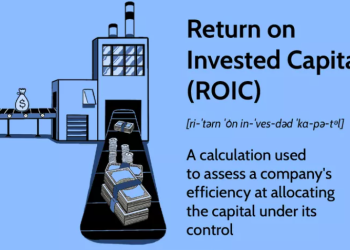
In the wake of the fertilizer scandal rocking Kenya’s agricultural sector, questions abound regarding the role and efficacy of the National Cereals and Produce Board (NCPB).

The scandal, which has left unsuspecting farmers grappling with the aftermath of purchasing mysterious substances purported to be fertilizer, has ignited a debate over the competence and integrity of the agency tasked with overseeing such critical matters.

Amid the outcry, concerns have been raised regarding the procurement processes employed by the NCPB and the level of due diligence exercised in ensuring the quality and safety of agricultural inputs.

Disturbing revelations have emerged, shedding light on the arbitrary nature of decision-making within the agency and the apparent influence wielded by traders and intermediaries.


RELATEDPOSTS

Kenyan crypto traders face identity disclosure requirements under proposed Finance Bill 2026 changes

May 12, 2026

How global supply chains feed Kenya’s fake drug market

May 7, 2026

One of the most damning revelations involves a letter from Mems Distributors Ltd, a trader awarded a contract by the NCPB, requesting a substitution of quantities to supply a different type of fertilizer.

This unilateral decision-making, seemingly influenced by external actors, raises serious questions about the agency’s autonomy and capacity to safeguard the interests of farmers.

Furthermore, the recent disclosure by the Kenya Bureau of Standards CEO before the Senate’s oversight Committee on Agriculture, revealing that the substance sold to farmers cannot even be described as fake fertilizer, underscores the magnitude of the crisis and the urgent need for accountability.

Calls for action have intensified, with demands for the prosecution of top NCPB officials and the commencement of impeachment proceedings against Agriculture Cabinet Secretary Mithika Linturi.

The scandal, reminiscent of past instances of corruption and malfeasance, underscores the systemic challenges plaguing the agricultural sector and the need for comprehensive reforms.

Moving forward, it is imperative that the government re-evaluates the role of the NCPB and considers alternative approaches to fertilizer procurement and distribution.

The reliance on private companies to finance and conduct imports, as observed in neighbouring Tanzania, offers a potential solution to mitigate corruption risks and enhance efficiency.

Moreover, long-term reforms aimed at restructuring and modernizing the agricultural sector must be prioritized. This includes rethinking the mandate of the NCPB and transitioning towards a more transparent and accountable regulatory framework.

The fertilizer scandal serves as a stark reminder of the urgent need for reform within Kenya’s agricultural sector. By addressing systemic weaknesses, enhancing oversight mechanisms, and fostering greater transparency, the government can restore public trust and ensure the viability and sustainability of the agricultural industry for generations to come.

Previous Post

Government orders urgent evacuation of flood-prone areas

Next Post

FKF probes match-fixing claims, suspends referees, player and coach

Allan Lenkai

Allan Lenkai

Related Posts

John Mbadi, Kenya's treasury secretary, during an interview in Nairobi, Kenya, on Wednesday, Aug. 20, 2025. Kenya is in talks with China to convert dollar-denominated debt the East African nation owes its biggest bilateral lender to yuan and extend the repayment period, Mbadi said. Photographer: Kang-Chun Cheng/Bloomberg via Getty Images
Analysis

Finance bill 2026: Key changes set to shape kenya’s economy

May 20, 2026
News

The relationship between interest rates and equity market performance

May 20, 2026
News

The impact of exchange rate volatility on investment decisions

May 19, 2026
Entertainment

The Spotify “Disco Ball” Branding Stunt

May 18, 2026
News

The influence of commodity prices on investment markets

May 18, 2026
News

Safaricom’s fuel strategy highlights growing energy risks facing Africa’s digital economy

May 15, 2026

LATEST STORIES

John Mbadi, Kenya's treasury secretary, during an interview in Nairobi, Kenya, on Wednesday, Aug. 20, 2025. Kenya is in talks with China to convert dollar-denominated debt the East African nation owes its biggest bilateral lender to yuan and extend the repayment period, Mbadi said. Photographer: Kang-Chun Cheng/Bloomberg via Getty Images

Finance bill 2026: Key changes set to shape kenya’s economy

May 20, 2026

The relationship between interest rates and equity market performance

May 20, 2026

The impact of exchange rate volatility on investment decisions

May 19, 2026

Equity Group Holdings move to extend its footprint across Southern Africa

May 19, 2026

The Spotify “Disco Ball” Branding Stunt

May 18, 2026

Court to decide on Kenya’s Sh204 billion Safaricom stake sale

May 18, 2026

The influence of commodity prices on investment markets

May 18, 2026

Safaricom’s fuel strategy highlights growing energy risks facing Africa’s digital economy

May 15, 2026
  • About Us
  • Meet The Team
  • Careers
  • Privacy Policy
  • Terms and Conditions
Email us: editor@thesharpdaily.com

Sharp Daily © 2024

No Result
View All Result
  • Home
  • News
    • Politics
  • Business
    • Banking
  • Investments
  • Technology
  • Startups
  • Real Estate
  • Features
  • Appointments
  • About Us
    • Meet The Team

Sharp Daily © 2024