The Buy Now Pay Later (BNPL) model has rapidly taken root in Kenya, reshaping how consumers shop and how businesses structure payments. What began globally as a digital-age alternative to credit cards has become a mainstream tool across Africa, especially in urban markets where young, tech-savvy consumers are increasingly demanding flexible payment options. In Kenya, the combination of rising smartphone penetration, aggressive fintech innovation, and evolving consumer spending habits has created fertile ground for BNPL’s expansion.
At its core, BNPL allows buyers to acquire goods or services immediately while spreading payments over weeks or months, often without interest if payments are made on time. This convenience has made it particularly attractive for electronics, household appliances, fashion, and even travel bookings. Locally, fintech platforms like M-Kopa, have been at the forefront of promoting instalment-based purchasing. These platforms partner with retailers, ranging from electronics stores to furniture outlets, to offer structured repayment plans that make traditionally expensive items more accessible.


One of the strongest drivers of BNPL growth in Kenya is the rising cost of living and reduced disposable income. Many households are finding it harder to make large one-off purchases, making installment options appear more manageable. For instance, Lipa Later’s partnerships with brands like Samsung, Carrefour, and Hotpoint have enabled thousands of customers to acquire smartphones, laptops, refrigerators, and TVs without immediate financial strain. M-Kopa has also expanded beyond solar kits to offer smartphones and televisions through a pay-as-you-go credit model, reaching lower-income households that traditional lenders often overlook.
BNPL also holds appeal for small businesses that need equipment but face challenges accessing bank loans. With flexible repayment schedules and fewer documentation requirements, SMEs can secure essentials such as laptops, point-of-sale systems, or machinery without undergoing lengthy credit vetting. For merchants, BNPL expands their customer base and increases sales volumes, providing a win-win scenario.
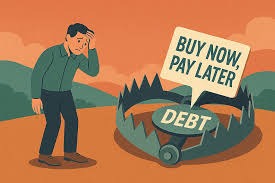
However, the rise of BNPL is not without risks. Consumer over-borrowing is a growing concern, particularly as most BNPL platforms operate outside traditional credit bureau systems. Without strong credit checks, some customers may juggle multiple installment plans across different platforms, leading to repayment pressure. Late payment penalties can also accumulate quickly, creating a debt trap for those who underestimate their repayment capacity. Additionally, the regulatory environment for BNPL remains underdeveloped, leaving questions around consumer protection, data privacy, and transparency of terms.
Despite these challenges, BNPL is likely to keep expanding as digital commerce grows and fintech. The model offers a practical middle ground between cash purchases and expensive digital loans and with proper regulation, consumer education, and responsible lending practices, BNPL has the potential to reshape Kenya’s retail and credit landscape while giving consumers greater flexibility and financial control.