Defunding Enforcement, Funding Crime
Kenya’s growing exposure to financial crime is not a failure of law. It is a consequence of budgeting. In 2025,...
Read moreDetails


Kenya’s growing exposure to financial crime is not a failure of law. It is a consequence of budgeting. In 2025,...
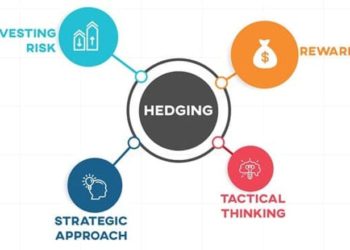
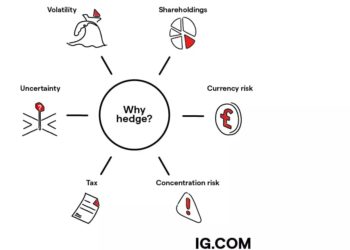
Read moreDetailsHedging is often mistaken for caution, yet it is one of the most deliberate forms of action a market participant...
Read moreDetailsKenya’s credit market is undergoing a structural transition that will fundamentally alter how loans are priced and how credit risk...
Read moreDetailsBeating forecasts is typically interpreted as a positive signal. Earnings above expectations, resilient margins, and delivery ahead of guidance are...
Read moreDetailsIn finance and corporate strategy, control is often perceived as a measure of competence. Boards convene, models are built, forecasts...
Read moreDetailsHedging is often mistaken for caution, yet it is one of the most deliberate forms of action a market participant...
Read moreDetailsKenyan banks have increasingly favored government securities over private sector lending, drawn by the certainty and attractive returns offered by...
Read moreDetailsA company can report strong profits and still be unable to pay a single shilling to its shareholders. This is...
Read moreDetailsKenya’s banking sector has recorded a rare easing in loan defaults, supported by strong capital and liquidity positions that continue...
Read moreDetailsRemote work has evolved from a temporary adjustment into a defining feature of Kenya’s creative economy. Writers, graphic designers, video...
Read moreDetails