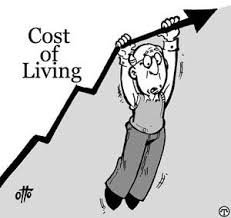
The rising cost of living has become a major concern for households across many economies, affecting spending habits, financial planning, and overall lifestyles. As the prices of essential goods and services continue to increase, individuals and families are finding new ways to adjust their financial behavior in order to manage daily expenses and maintain stability.
One of the most common adaptations is tighter budgeting. Many households are becoming more deliberate about how they allocate income, prioritizing essential expenses such as food, housing, transport, and healthcare while reducing discretionary spending. Non-essential purchases, entertainment expenses, and luxury consumption are often scaled back as people focus on affordability and financial security.
Consumers are also changing their shopping habits. Price sensitivity has increased, leading many people to compare prices more carefully, purchase goods in bulk, or switch to lower-cost alternatives. Demand for discounts, second-hand products, and locally produced goods has also grown as households look for ways to stretch their budgets further.
Another major adaptation is the search for additional income sources. Many individuals are taking on side businesses, freelance work, or part-time opportunities to supplement their primary income. Digital platforms and online marketplaces have made it easier for people to monetize skills, sell products, or offer services outside traditional employment structures. This rise in multiple income streams reflects the growing need for financial flexibility.


Housing decisions are also being influenced by cost-of-living pressures. Some households are moving to more affordable areas, downsizing, or choosing shared living arrangements to reduce rental and utility expenses. In urban areas, rising housing costs are encouraging more people to reconsider location preferences and commuting trade-offs.
Transportation habits have similarly evolved. To manage fuel and transport costs, some individuals are relying more on public transportation, carpooling, or alternative commuting methods. Businesses and employees have also embraced hybrid or remote work arrangements where possible, reducing daily transport expenses and associated costs.
Financial awareness and savings behavior have become increasingly important. More people are paying closer attention to debt management, emergency savings, and long-term financial planning. The uncertainty created by economic pressures has encouraged households to focus on building financial resilience, even if savings capacity remains limited for some.
Technology has also played a role in helping people adapt. Mobile banking applications, budgeting tools, and digital payment systems allow individuals to monitor expenses more effectively and access financial services conveniently. At the same time, online platforms provide opportunities for price comparison and access to more affordable products and services.
However, adapting to the cost of living is not equally manageable for everyone. Lower-income households are often more vulnerable because a larger share of their income is already directed toward essential needs. Rising costs can therefore reduce purchasing power significantly and increase financial strain. This has widened conversations around wage growth, inflation management, and economic support systems.
Businesses are also adjusting to changing consumer behavior. Companies are increasingly offering smaller product sizes, flexible payment options, and value-focused products to meet evolving consumer preferences. This reflects how cost-of-living pressures are reshaping both household and market dynamics.
In conclusion, people are adapting to the rising cost of living through a combination of budgeting, lifestyle adjustments, income diversification, and financial planning. While these strategies help households navigate economic pressures, they also highlight broader changes in consumer behavior and financial priorities. As living costs continue to influence economic decisions, adaptability and financial resilience are becoming increasingly important in everyday life.