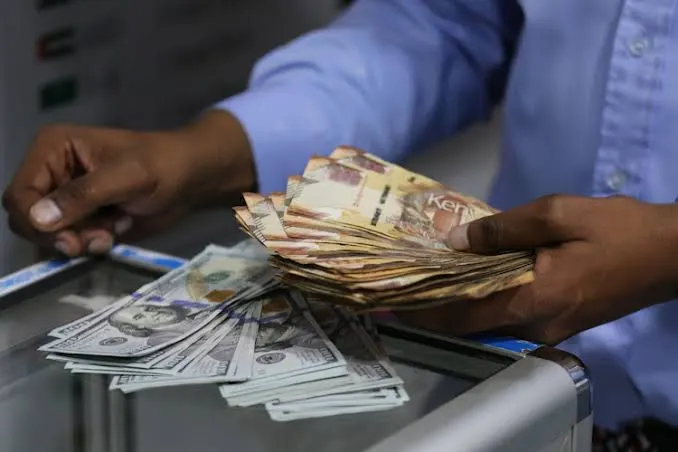
The Kenyan shilling has depreciated by approximately 22.0% since the beginning of the year, contributing to the escalating cost of living for millions of Kenyan citizens who must allocate more funds for basic goods and services.
According to recent data from the Kenya National Bureau of Statistics, the Consumer Price Index (CPI), which gauges the fluctuation in prices for a range of goods and services, increased by 9.8% in September 2023 in comparison to the same month the previous year. This signifies a substantial decline in the purchasing power of the Kenyan Shilling over the past year.
To illustrate, an individual who possessed KES 1,000 in notes in October 2022 would now find that this amount can only acquire goods worth KES 850. The erosion of the currency’s value can be attributed to factors such as inflation, currency devaluation, and various taxes.
The primary drivers of inflation in Kenya are food and fuel prices, which constitute over half of the CPI basket. Food prices escalated by 12.4% in September 2023 compared to September 2022, while fuel prices surged by 25.7% during the same period. The elevated costs of food and fuel have cascading effects on other sectors of the economy, including transportation, housing, healthcare, and education, all of which become pricier as a result.


The depreciation of the Kenyan shilling against major currencies like the US dollar, the euro, and the pound sterling has also contributed to the inflationary trend. The shilling has weakened from an average exchange rate of 108.6 per dollar in October 2022 to 150.8 per dollar in October 2023, as reported by the Central Bank of Kenya. This entails that Kenya must allocate more funds for its imports, which make up approximately 40% of its Gross Domestic Product (GDP). Kenya primarily imports machinery, petroleum products, chemicals, and pharmaceuticals, which are vital for its industrial and agricultural sectors.
The devaluation of the shilling also impacts the servicing of external debt, which accounts for roughly 30% of the GDP. Kenya must allocate more shillings to meet its foreign loan obligations, which are primarily denominated in dollars or euros.
The government has implemented various measures to combat inflation and stabilize the exchange rate, including interest rate hikes, fiscal policy tightening, and bolstering foreign exchange reserves. However, these actions have proven insufficient in offsetting the external and internal shocks affecting the economy. Economists have cautioned that if inflation and exchange rate volatility persist, they could undermine economic growth, social stability, and poverty alleviation efforts in Kenya.
Additionally, the government must address structural issues impacting the economy’s competitiveness and productivity, such as inadequate infrastructure, corruption, insecurity, and policy inconsistency. Furthermore, there is a need for greater diversification of exports, promotion of local industries, enhancement of agricultural productivity, and facilitation of regional integration to reduce Kenya’s reliance on imports and foreign debt.