Sharp Daily
No Result
View All Result
Tuesday, February 3, 2026
  • Home
  • News
    • Politics
  • Business
    • Banking
  • Investments
  • Technology
  • Startups
  • Real Estate
  • Features
  • Appointments
  • About Us
    • Meet The Team
Sharp Daily
  • Home
  • News
    • Politics
  • Business
    • Banking
  • Investments
  • Technology
  • Startups
  • Real Estate
  • Features
  • Appointments
  • About Us
    • Meet The Team
No Result
View All Result
Sharp Daily
No Result
View All Result
Home News

Kenyan Market Experiences Increased Liquidity Amid Tough Economic Times

Patricia Mutua by Patricia Mutua
July 14, 2023
in News
Reading Time: 2 mins read
CBK reinstates transaction charges

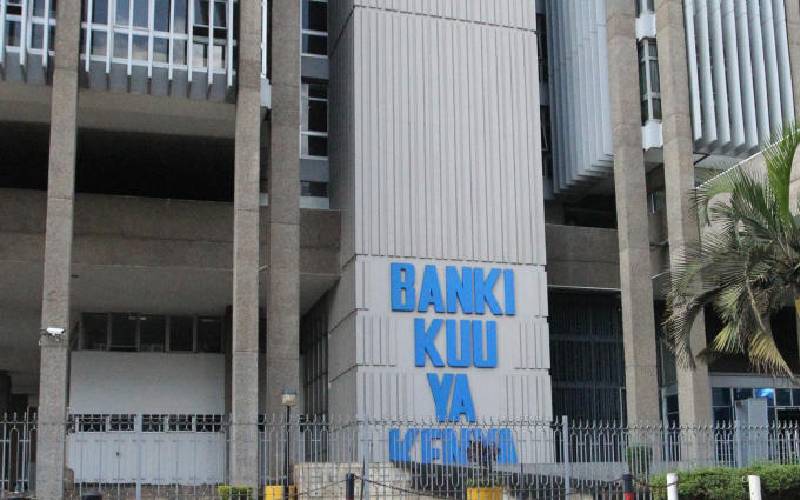
Central Bank of Kenya (CBK) headquarters. [Photo/ Courtesy]

The liquidity in the Kenyan market increased in the week ending 14th July 2023, evidenced by the decrease in the interbank rates to 8.6% from a high of 10.1% at the beginning of the month of July 2023. The interbank rate is the cost at which banks borrow money from each other to meet short-term funding needs and manage their liquidity positions.

Read more: Kenya’s Credit Outlook Downgraded Amid Tight Liquidity Position

In its weekly bulletin, CBK highlighted that liquidity in the money market has increased, supported by increased government payments in addition to commercial banks holding an excess reserve of Kshs 37.4 bn in relation to the 4.25% Cash Reserve Ratio (CRR). CRR represents the cash reserves commercial banks are required to deposit with CBK out of their total domestic and foreign-denominated deposit liabilities. This is meant to help in case the bank falls into crisis. When banks give up in excess of the CRR to the CBK, it could be a sign of increased liquidity in the market.

The recent government payments to contractors and county disbursements during the start of the new fiscal year have been pointed to as having caused the current decrease in interbank rates. The rates had increased to a record high of over 10.0% on the back of tightened CBK rates, which coincided with the delay in paying contractors and county disbursements, leading to reduced liquidity and hence higher interbank rates.


RELATEDPOSTS

Kenyan banks inject sh153 billion into MSMEs

January 16, 2026

NSE ranks second in Africa for dollar returns in 2025

January 12, 2026

Read more: S&P Global Ratings Revised Down Kenya’s Outlook To Negative On Account Of Weakening Liquidity Position

Central banks use the CRR to control liquidity in the market. When the money supply is high, Central banks increase CRR to reduce the money available for lending, which in turn translates to higher interbank rates, which are often transferred to the consumer through increasing loan rates. In addition, government spending is a crucial fiscal policy to control liquidity. Increased liquidity calls for reduced government spending as well as increased government borrowing. In this context, interbank rates are expected to record an increase due to the sale of the July bond that mopped Kshs 38.6 bn from the economy.

Email your news TIPS to editor@thesharpdaily.com

Previous Post

Underway Plans to Revive EAPC Operations

Next Post

Treasury Shifts from Issuing Long-Term Bonds Towards Shorter-Dated Bonds

Patricia Mutua

Patricia Mutua

Related Posts

News

From zero to safety: How to grow your emergency savings

February 3, 2026
News

Fixed Income: The anchor every diversified portfolio needs

February 3, 2026
News

Your bank balance is living in your past

February 3, 2026
News

A country on pause: What the matatu strike revealed about Kenya’s Economy

February 3, 2026
News

Kenya Pipeline Company IPO

February 3, 2026
Analysis

Matatu strike paralyzes public transport

February 2, 2026

LATEST STORIES

From zero to safety: How to grow your emergency savings

February 3, 2026

Fixed Income: The anchor every diversified portfolio needs

February 3, 2026

Your bank balance is living in your past

February 3, 2026

A country on pause: What the matatu strike revealed about Kenya’s Economy

February 3, 2026

Kenya Pipeline Company IPO

February 3, 2026

What Mbadi’s proposal to exempt Kenyans earning below Sh30,000 from income tax could mean

February 3, 2026

Matatu strike paralyzes public transport

February 2, 2026

Why you shouldn’t ditch MMFs despite the falling returns

February 2, 2026
  • About Us
  • Meet The Team
  • Careers
  • Privacy Policy
  • Terms and Conditions
Email us: editor@thesharpdaily.com

Sharp Daily © 2024

No Result
View All Result
  • Home
  • News
    • Politics
  • Business
    • Banking
  • Investments
  • Technology
  • Startups
  • Real Estate
  • Features
  • Appointments
  • About Us
    • Meet The Team

Sharp Daily © 2024