

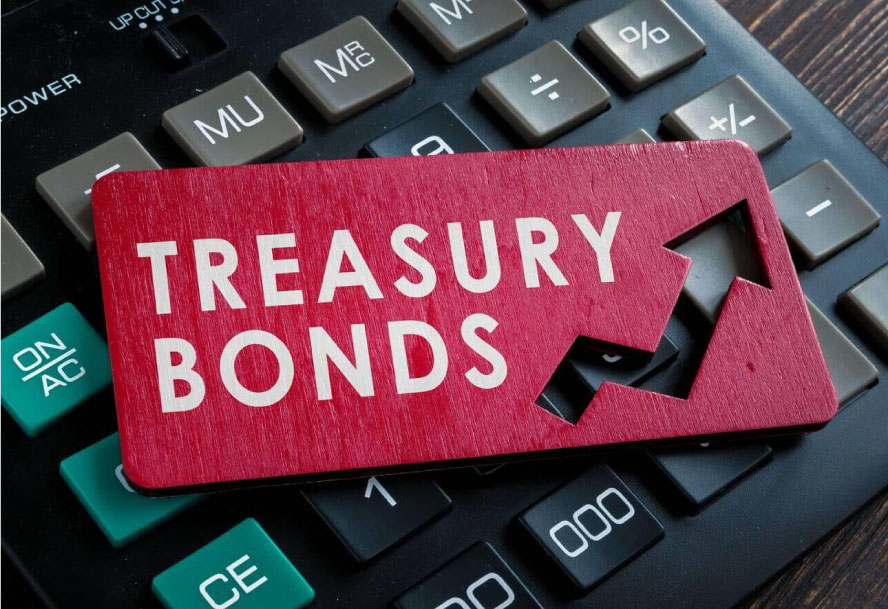
Kenya’s government securities market is attracting significant investor interest, with Treasury bond bids exceeding KSh1 trillion in just four months. The growing appetite for fixed-income investments highlights how investors are positioning their money amid changing economic conditions and uncertainty surrounding business returns. Between July and October 2026, investors submitted bids worth more than KSh1 trillion across seven Treasury bond auctions. This was more than double the KSh480 billion the Central Bank of Kenya (CBK) had initially sought. The government accepted approximately KSh654 billion, highlighting the strong demand for government securities.
One of the biggest attractions is the relatively predictable income Treasury bonds offer. Unlike shares, whose prices fluctuate depending on company performance and market conditions, most Treasury bonds provide investors with fixed interest payments, commonly made every six months. Government securities also appeal to investors looking to diversify their portfolios and preserve capital while earning returns. The market attracts commercial banks, insurance companies, fund managers and individual investors seeking exposure to fixed-income assets. Additionally, Treasury bonds come with different investment periods, allowing investors to select options based on their financial goals and liquidity requirements.
However, the growing demand for government securities also raises questions about how capital is distributed across the economy. When investors direct substantial amounts of money towards government borrowing, businesses must compete for financing from the same financial system. Government securities can be attractive to institutions because they offer relatively predictable returns, potentially influencing how lenders allocate their funds. This does not necessarily mean Kenyans are abandoning entrepreneurship. Rather, it reflects the appeal of predictable investment opportunities in an environment where starting and operating a business can involve considerable costs and uncertainty. Treasury bonds are not exclusively reserved for wealthy investors or financial institutions. Ordinary Kenyans can participate through the Central Bank of Kenya’s DhowCSD platform, which allows them to register, submit bids and manage their government securities investments.
However, investors should understand that bonds are not equivalent to savings accounts. Their money is committed for a specified period, and selling before maturity may expose them to price fluctuations. Ultimately, Kenya’s growing Treasury bond market demonstrates the importance of understanding different investment options. Whether an investor chooses government bonds, Treasury bills, money market funds or business ownership, investment decisions should align with personal financial objectives, risk tolerance and access to cash. Building wealth is not just about how much money you earn, but also where you choose to put it.