


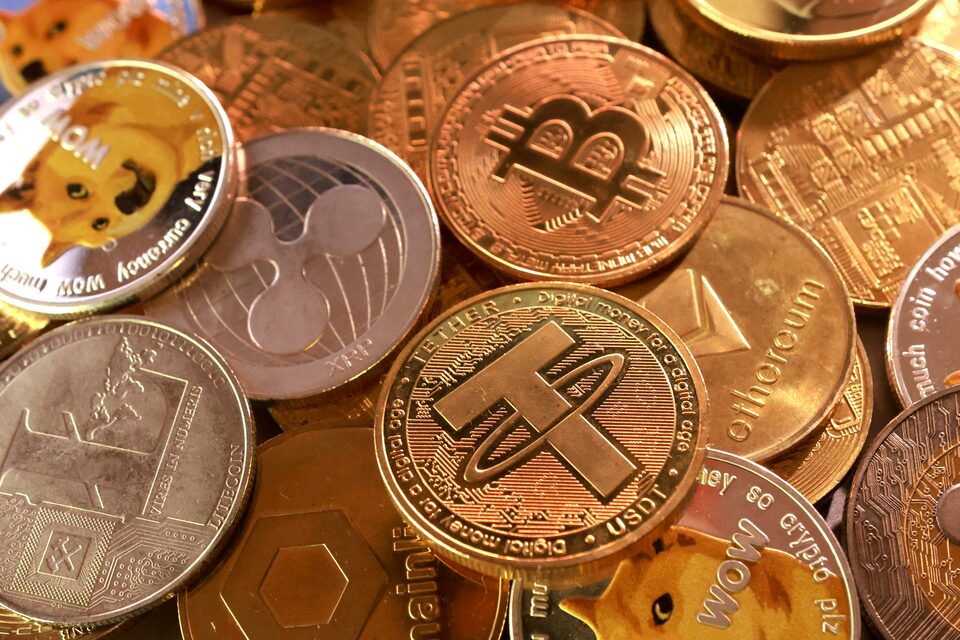
Kenya’s appetite for digital money is growing, with the country’s cryptocurrency market recording approximately KSh740 billion (US$5.7 billion) in transactions in the year to June 2026. This represents a 38% increase from KSh505 billion recorded in the preceding period, placing Kenya among Africa’s largest cryptocurrency markets, behind South Africa and Nigeria.However, the interesting part of this growth is not just the amount of money changing hands, but how Kenyans are using digital assets. Unlike markets where Bitcoin dominates cryptocurrency activity, Kenya has recorded significant stablecoin activity. Bitcoin accounted for just 2% of reported cryptocurrency transactions, highlighting the growing role of alternative digital assets in everyday financial transactions.Stablecoins are cryptocurrencies designed to maintain a relatively stable value by being linked to traditional currencies, particularly the US dollar. Their growing popularity reflects increasing demand for digital dollar access, international payments and alternative ways of transferring money.
The growing use of stablecoins reflects changing financial needs among individuals and businesses. For businesses involved in international trade, cross-border payments can be expensive and time-consuming. Digital dollar transactions offer an alternative that could reduce some of the costs and delays associated with conventional international transfers.Individuals are also exploring stablecoins as a way to access dollar-denominated value, particularly when making international payments or participating in digital commerce. This trend highlights how financial technology is expanding beyond traditional banking and mobile money services.Kenya’s established mobile money ecosystem and growing fintech industry have also created an environment where consumers are increasingly comfortable adopting alternative digital financial solutions.
The rapid expansion of cryptocurrency activity has increased the need for stronger regulation and consumer protection. Kenya’s Virtual Asset Service Providers Act, 2025, introduced a regulatory framework for virtual asset service providers, with the Central Bank of Kenya (CBK) and Capital Markets Authority (CMA) taking supervisory roles.The framework seeks to improve transparency, strengthen accountability and ensure that businesses operating in the virtual asset industry meet regulatory requirements. This is particularly important given the risks associated with cryptocurrency transactions, including fraud, cyberattacks, platform failures and price volatility.Although stablecoins are designed to maintain a relatively consistent value, they are not entirely risk-free. Their reliability depends on the ability of issuers to maintain adequate reserves and honour redemption requests.
The growing cryptocurrency market presents opportunities for banks, fintech companies and payment providers to explore more efficient digital payment solutions. It also creates room for innovation in cross-border transactions, financial accessibility and digital commerce.For investors and consumers, however, increased adoption should not automatically be interpreted as a sign that cryptocurrency is a suitable investment. Understanding the underlying assets, regulatory protections and associated risks remains essential.Ultimately, Kenya’s growing cryptocurrency market reflects a broader transformation in how money is accessed, transferred and managed. The challenge ahead will be creating a financial environment that encourages innovation while protecting consumers and maintaining confidence in the financial system.