

Kenyan businesses are increasingly adopting measures to protect their profit margins as rising inflation and higher operating expenses continue to affect their performance. According to the latest Stanbic Bank Kenya Purchasing Managers’ Index (PMI), firms raise prices to recover additional costs associated with production, transportation and purchasing supplies, highlighting the growing pressure on businesses despite improving private-sector activity.
The development comes at a time when businesses are receiving more customer orders and experiencing stronger demand, but are struggling to translate this growth into higher output and profitability. The increasing cost of doing business has consequently forced companies to adjust their pricing strategies to cushion their earnings against persistent inflationary pressures.
Firms Raise Prices as Input Costs Continue to Rise
The Stanbic Bank PMI, compiled by S&P Global, rose to 52.5 in October 2026 from 51.3 in September, marking its highest reading of the year. A reading above 50 indicates an expansion in private-sector business activity, reflecting improved demand and increased economic activity across key sectors.
However, the improvement in business conditions was accompanied by mounting cost pressures. Approximately 36.0% of surveyed businesses reported an increase in total input costs during October, compared to only 2.0% that recorded a decline. Higher purchase prices, fuel expenses, transportation charges and supplier costs were among the primary contributors to the increase.


Input-cost inflation accelerated to its fastest pace since November 2023, creating additional pressure on businesses that were already operating within constrained cash-flow conditions. Consequently, companies adjusted their selling prices to recover some of the additional expenses and prevent further deterioration in their profit margins.
Higher Fuel and Transport Costs Add to Inflationary Pressures
The increase in business operating expenses has coincided with rising transportation and energy costs, which have a direct influence on the cost of distributing goods and sourcing raw materials. In its latest monthly review, the Energy and Petroleum Regulatory Authority (EPRA) increased the maximum retail prices of petroleum products for the period between October 15 and November 14, 2026.
In Nairobi, Super Petrol increased by Kshs 12.93 per litre to Kshs 226.96, while Diesel increased by Kshs 9.90 to Kshs 227.76. Kerosene recorded a higher increase of Kshs 28.49 to Kshs 219.87 per litre. These adjustments increase transportation and distribution expenses for businesses, particularly those dependent on road freight to move products across the country.
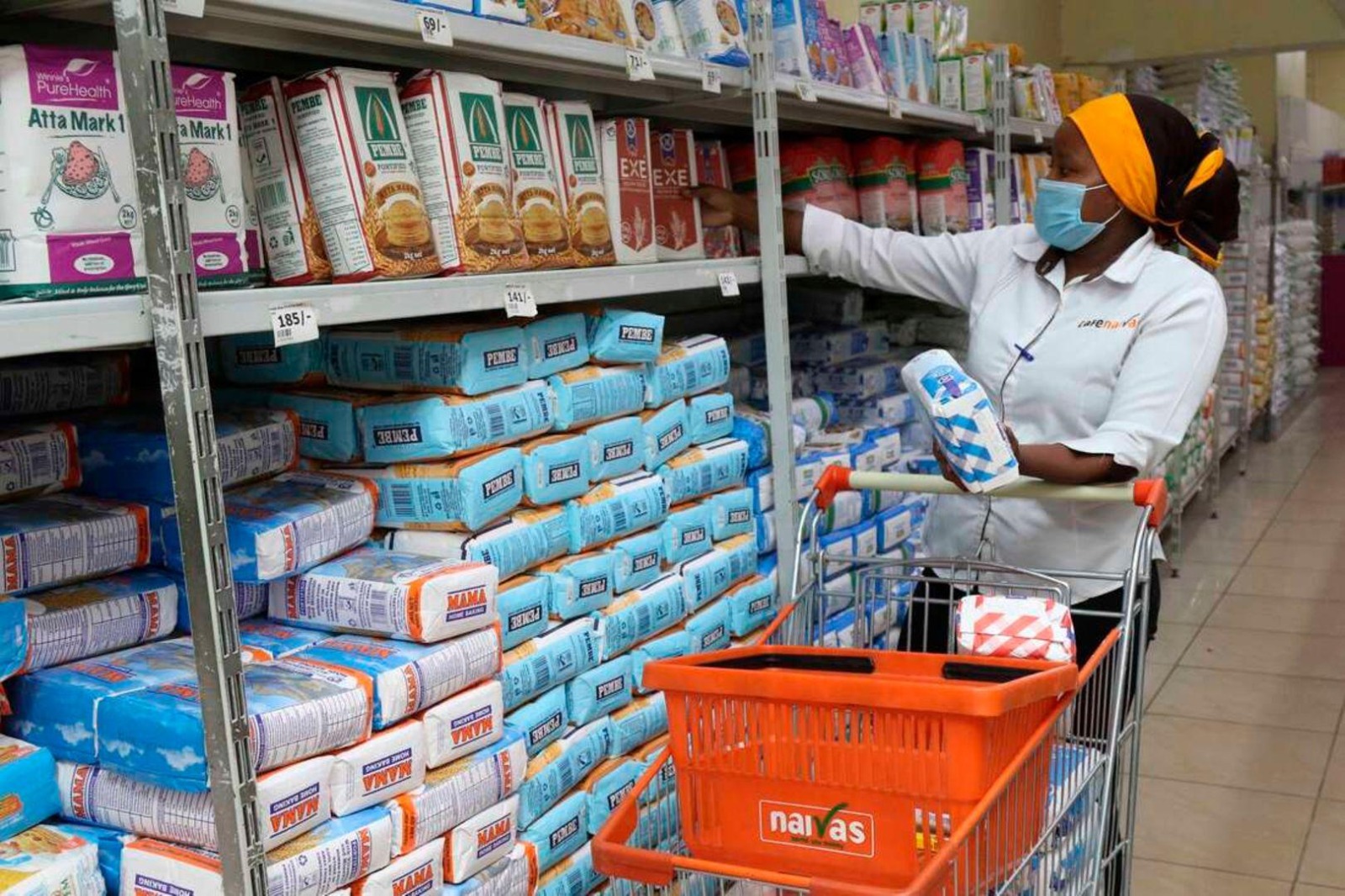
The higher energy costs have also coincided with an increase in the country’s overall cost of living. According to the Kenya National Bureau of Statistics (KNBS), annual inflation increased to 7.32% in October 2026 from 6.76% in September, largely driven by higher food and transport costs. This has further increased the financial burden on households and businesses.
Impact of Higher Selling Prices on Consumer Demand
Although the increase in new orders points to improving customer demand, rising selling prices could undermine the recovery by reducing household purchasing power. As businesses transfer additional operating expenses to consumers, households may be forced to adjust their spending patterns, prioritizing essential goods and services while reducing expenditure on non-essential products.
This presents a challenge for businesses because higher selling prices do not necessarily translate into higher earnings. While price adjustments can help preserve profit margins, they may also discourage consumption if customers become increasingly sensitive to the cost of goods and services. Businesses could consequently experience slower sales volumes, particularly in sectors where consumers have access to cheaper alternatives.
Furthermore, the combination of higher input costs and constrained cash flows could limit the ability of companies to increase production, clear outstanding orders and expand their workforce. This creates an uneven recovery in which demand is improving, but businesses continue to face significant operational and financial constraints.
Outlook for Businesses and the Economy
The continued increase in selling prices highlights the difficulty businesses face in maintaining profitability amid persistent inflationary pressures. While the improvement in the Purchasing Managers’ Index suggests that private-sector activity is gaining momentum, the acceleration in input and selling-price inflation indicates that the recovery remains vulnerable to rising operating expenses.
Going forward, the sustainability of the recovery will depend partly on whether businesses can manage their operating costs without implementing further price increases that weaken consumer demand. A moderation in fuel, transportation and supplier costs would provide some relief to companies, allowing them to improve production and profitability while maintaining competitive prices.
For consumers, however, the immediate concern remains the impact of higher prices on household budgets. With inflation continuing to accelerate and businesses increasingly passing additional costs to customers, maintaining purchasing power could become more challenging, particularly for households with limited disposable income.