
The collapse of a business is unsettling for everyone involved. Jobs are lost, incomes disappear, and uncertainty takes over. In the middle of that disruption, one question often goes unasked. What happens to the pension? For employees who have spent years building retirement savings through a workplace scheme, this is a question that deserves a clear answer.
The answer depends largely on how the pension scheme is structured and how well it has been managed. Not all pension schemes are equally protected when an employer becomes insolvent. Understanding the difference matters more than most people realize.
The most important distinction is between defined benefit and defined contribution schemes. In a defined contribution scheme, each member has their own individual pot of money. Contributions from both the employee and the employer are paid into that pot and invested on the member’s behalf. Because the money belongs to the individual member and is held separately from the employer’s assets, it is generally protected if the employer goes bust. The pension pot cannot be claimed by creditors. This separation is one of the key protections built into defined contribution schemes.
Defined benefit schemes are more complex. In these schemes, the employer promises to pay a specific income in retirement based on salary and years of service. The employer is responsible for ensuring the scheme has enough assets to meet those promises. If a business collapses and the scheme is underfunded, members may not receive the full pension they were expecting. This is where the risk is greatest.
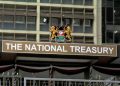

In Kenya, pension schemes registered with the Retirement Benefits Authority must hold their assets separately from the employer’s business assets. This is a fundamental principle of pension regulation. It means that even if the employer becomes insolvent, the pension fund should be ring-fenced and protected from creditors. Scheme trustees have a legal duty to act in the interests of members and to ensure assets are properly managed.
However, this protection depends on whether contributions have actually been paid into the scheme as required. One of the most common problems when an employer goes bust is that pension contributions have not been remitted on time or in full. Employers in financial difficulty sometimes delay or withhold pension contributions to manage cash flow. By the time insolvency occurs, there may be a significant shortfall between what should be in the fund and what is actually there.
In Kenya, failing to remit pension contributions is a serious regulatory breach. The RBA has powers to investigate and pursue employers who fall short of their obligations. Employees who suspect their employer has not been paying pension contributions should report the matter to the RBA as early as possible. Acting early gives regulators the best chance of recovering unpaid contributions before the situation gets worse.
When an employer goes into liquidation or administration, pension scheme trustees must act quickly. They are required to notify the RBA and take steps to secure the scheme’s assets. The winding up of a pension scheme is a formal process governed by the Retirement Benefits Act and the scheme’s own rules. Members are entitled to receive information about the process and their individual entitlements.
If a scheme is wound up with enough assets to meet all member entitlements, members receive the benefits they are owed. This may come as a transfer to another scheme or as a preserved benefit paid at retirement. If the scheme is underfunded, the available assets are distributed according to a priority order set out in the scheme rules and relevant legislation. In practice, this can mean some members receive less than the full value of their expected benefit.
For employees of a company showing signs of financial difficulty, checking pension contributions is an important step. Reviewing pension statements regularly and confirming that contributions shown on payslips are actually reaching the scheme can reveal problems early. If contributions are missing or delayed, contacting the scheme administrator or the RBA without delay is the right course of action.
The collapse of an employer is never a good situation. But a pension built within a properly regulated scheme carries significant protections that most people are unaware of until they need them. Knowing those protections exist, and knowing what to do if something goes wrong, puts employees in a much stronger position to protect what they have saved.