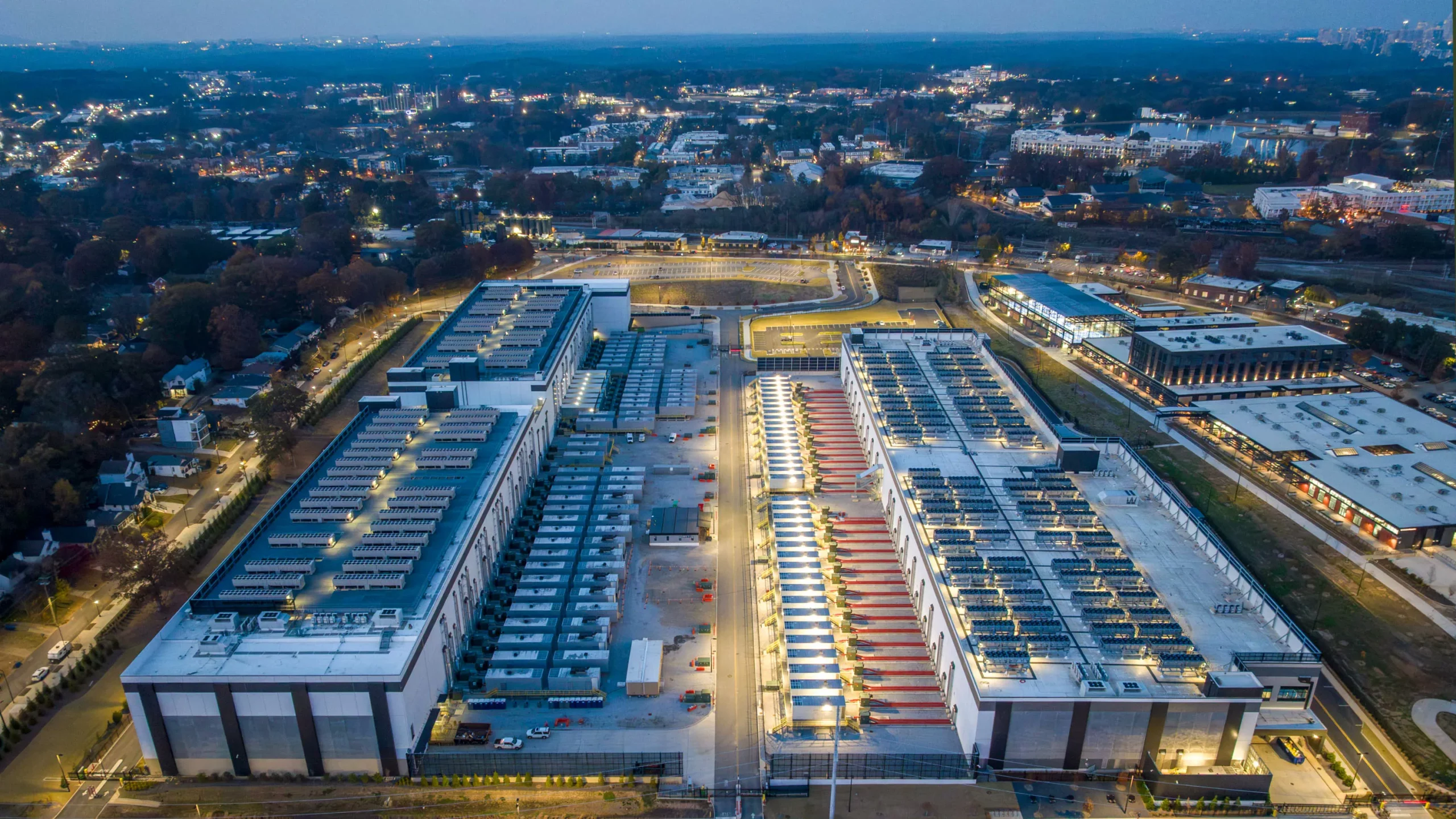
Kenya’s Real Estate investment landscape is entering a new phase. For years, residential apartments, commercial offices and land banking dominated investor attention. In 2026, however, data centres and digital infrastructure are emerging as one of the most compelling alternative real estate opportunities.
The shift is being driven by rapid digitalisation, cloud computing, artificial intelligence and growing demand for reliable digital infrastructure. Knight Frank’s 2026 wealth and investment trends indicate that Kenyan high-net-worth investors are increasingly looking beyond traditional property towards data centres, logistics, REITs, hospitality and other income-generating assets.
The opportunity is particularly interesting because data centres combine real estate with technology infrastructure. Unlike conventional office buildings, their value is not determined solely by location, rental rates and occupancy. Power reliability, fibre connectivity, cooling capacity, security and scalability are equally critical. This creates a more specialised asset class with potentially stronger barriers to entry.
Kenya is already attracting significant investment into this segment. Airtel Africa’s data-centre subsidiary, Nxtra, broke ground in 2025 on a facility expected to become East Africa’s largest data centre, highlighting the scale of institutional interest in digital infrastructure.


For investors, the opportunity therefore goes beyond simply owning physical buildings. It lies in investing in infrastructure that enables Kenya’s digital economy.
However, the sector is not without risks. Data centres are highly capital-intensive and depend heavily on reliable electricity, specialised technical expertise and sustained demand. Investors must therefore assess power availability, connectivity, tenant quality, development costs and long-term utilisation before committing capital.
The broader lesson is clear: Kenya’s Real Estate market is becoming increasingly specialised. The next generation of Real Estate investments may not simply be about where people live or work, but about the infrastructure that enables businesses, technology and the digital economy to operate.