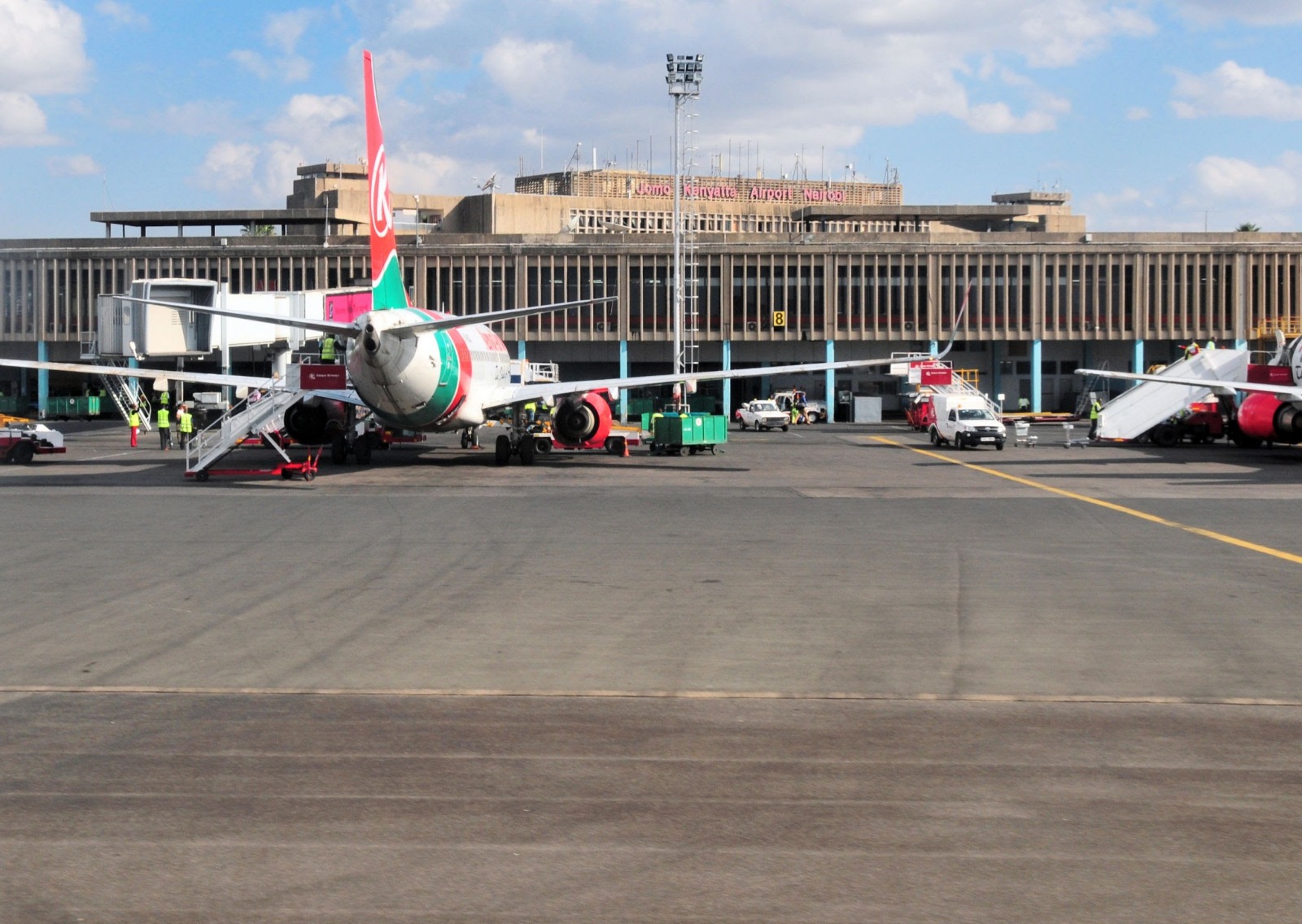
Kenya’s Sh154 Billion Gateway Upgrade
The government of Kenya officially signed a massive contract on June 23, 2026, to execute the JKIA modernization project. This long-awaited step sets a completely new direction for the nation’s aviation sector. The decision closely follows President William Ruto’s early New Year announcement declaring 2026 as the year of scale infrastructure execution. By greenlighting this massive undertaking, the state systematically upgrades the country’s primary international gateway. Consequently, this major initiative represents a strategic shift toward structured, state-backed capital investments. These investments will ultimately bolster Nairobi’s standing as East Africa’s preeminent transport hub.
Easing Capacity Strains and Past Bottlenecks
To put this intervention into perspective, the airport has been severely constrained under the weight of rising traffic. In fact, the facility processed roughly 8.9 million passengers in 2025. This turnout starkly exceeded its maximum structural design capacity of 7.5 million passengers. This capacity strain previously led to high-profile infrastructural failures and a highly controversial lease proposal with India’s Adani Group, which officials canceled in late 2024. Therefore, after completing an integrated master plan in February 2026, the state pivoted toward a transparent, competitive public tendering process. This transition paved the way for the JKIA modernization project to directly address these historical operational bottlenecks.
A Transparent Partnership with CRBC
This fresh strategic direction culminated in a landmark contract signing. Specifically, Aviation and Aerospace Development Principal Secretary Teresia Mbaika and the China Road and Bridge Corporation (CRBC) signed the deal. The extensive upgrade is valued at exactly Ksh 154.2 billion. Kenya’s newly enacted national infrastructure fund will partially anchor the financing with an initial state commitment of Ksh 15.0 billion to Ksh 20.0 billion. In addition, the competitive procurement process drew intense participation from over 40 local and international firms during pre-bid conferences in April 2026. As a result of this structured process, the JKIA modernization project leverages established international contractors to rapidly deploy civil engineering resources. This allows the country to scale up quickly without surrendering long-term sovereign ownership of the asset.
Designing the Airport of the Future
Under the newly finalized design parameters, the scope of the project focuses on key expansions. Primarily, crews will construct a brand-new passenger terminal alongside expanded airside facilities. This new terminal will comfortably accommodate an additional 10.0 million passengers per year, which effectively doubles the current capacity. Furthermore, the plan details significant airside adjustments, including rapid exit taxiways and upgraded runways. A dedicated Special Economic Zone (SEZ) will also foster an integrated “Airport City”. Consequently, these physical additions under the JKIA modernization project will minimize runway occupancy times for incoming aircraft while boosting the country’s broader cargo export networks.


Securing Kenya’s Aviation Future
In conclusion, the launch of this massive development comes at a critical juncture. Regional rivals like Ethiopia and Rwanda are already aggressively expanding their own aviation footprint. While previous infrastructure projects faced severe public pushback over transparency, this direct state-contracted approach aims to restore public trust and guarantee long-term economic returns. For the broader national economy, the JKIA modernization project will lower regional transport costs and boost international tourism. Moving forward, the successful delivery of this project remains paramount to safeguarding Kenya’s competitive edge in global trade.