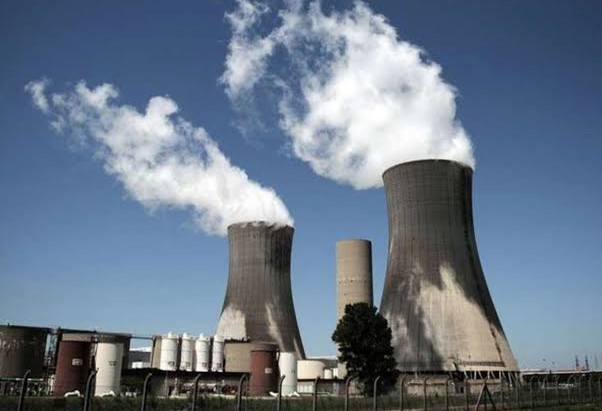
Kenya is preparing for a significant transformation of its energy sector through the planned development of its first nuclear power plant. The project, which forms part of the country’s long-term electricity generation strategy is expected to strengthen energy security, support industrial expansion, and enhance the reliability of power supply. Led by the Nuclear Power and Energy Agency (NuPEA) in collaboration with Kenya Electricity Generating Company PLC (KenGen) the proposed KSh 500 billion (USD 3.8 billion) nuclear facility in Siaya County is scheduled to begin construction in 2027.
The project represents one of Kenya’s largest infrastructure investments and is expected to play a key role in meeting the country’s growing electricity demand. As industrialization accelerates and digital industries continue to expand, the need for stable and reliable electricity is increasing. Large manufacturing facilities, industrial parks and data centers require uninterrupted power supplies that can support continuous operations and long-term economic growth.
According to KenGen’s corporate expansion plans, the company aims to increase its total electricity generation pipeline to 5,500 megawatts (MW) by 2034. The proposed Siaya nuclear power plant is expected to contribute approximately 2,000 MW making it one of the country’s largest single sources of electricity generation.
Kenya already has one of Africa’s cleanest electricity mixes. As highlighted in KenGen’s inaugural Environmental, Social and Governance (ESG) Report more than 94% of the company’s electricity is generated from renewable energy sources primarily geothermal and hydropower. While these resources have positioned Kenya as a regional leader in renewable energy they also present certain limitations. Hydropower generation depends heavily on rainfall patterns making it vulnerable to prolonged droughts while geothermal development requires significant exploration and suitable geological conditions.

Nuclear energy offers an additional source of dependable baseload electricity that operates independently of weather conditions. Nuclear power plants typically maintain operational availability exceeding 90% of the time, providing continuous electricity generation that can reduce reliance on costly diesel powered thermal plants during periods of high demand or reduced hydroelectric output. A more stable electricity supply could help lower production costs for manufacturers while improving the reliability of Kenya’s national power grid.
The financing structure proposed for the project is designed to minimize pressure on KenGen’s existing financial position. Funding is expected to combine international project financing, concessional loans from development finance institutions and public private partnerships. This approach is intended to spread project costs over the plant’s operational life allowing future electricity revenues to support repayment while helping preserve KenGen’s financial stability and dividend paying capacity during the construction period.
Beyond strengthening the energy sector, the nuclear power project could support broader economic development. Increased electricity generation capacity would enhance Kenya’s competitiveness as a destination for energy intensive industries, including advanced manufacturing, technology parks and large scale data centers. Reliable and affordable electricity remains a key consideration for international investors evaluating long-term investment opportunities.
As the project advances, stakeholders will closely monitor progress on financing agreements, regulatory approvals, environmental assessments and public participation processes. These milestones will play an important role in determining the project’s implementation timeline and financial sustainability.
Overall, Kenya’s planned nuclear power plant represents a strategic investment in the country’s future energy infrastructure. By diversifying electricity generation, improving energy security and supporting industrial expansion, the project has the potential to strengthen long-term economic growth while positioning Kenya to meet rising electricity demand in the decades ahead.