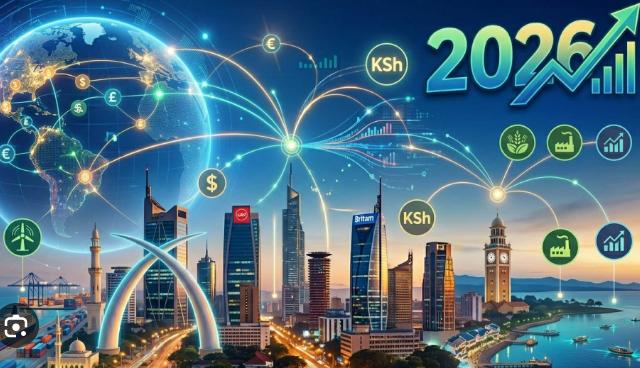
The global economy is navigating a period of structural transformation in 2026, driven by evolving trade relationships, geopolitical developments, technological innovation, and shifting macroeconomic conditions. These changes continue to influence investment decisions worldwide, presenting both risks and opportunities for emerging economies such as Kenya. As global markets adjust to slower economic growth and increased uncertainty, Kenya’s ability to strengthen economic resilience and capitalize on emerging investment opportunities will remain critical to sustaining long-term growth.
Recent international economic projections indicate that global growth is expected to moderate in 2026 as major economies contend with persistent trade tensions, elevated public debt, tighter fiscal conditions, and geopolitical uncertainty. Although the global economy continues to expand, the slower pace of growth could weaken external demand for exports, moderate foreign direct investment inflows, and affect capital allocation toward developing markets. For Kenya, whose economy is increasingly integrated into regional and global trade networks, these developments underscore the importance of maintaining a diversified and competitive investment environment.
Energy markets remain another key source of uncertainty. Geopolitical tensions in the Middle East have contributed to heightened volatility in global crude oil prices, increasing the cost of energy across international markets. As a net importer of petroleum products, Kenya is particularly exposed to fluctuations in global oil prices. Higher fuel costs increase transportation and logistics expenses, raise production costs for businesses, and contribute to inflationary pressures that reduce household purchasing power. These effects can ultimately influence business profitability, consumer spending, and overall economic activity.
Global trade patterns are also evolving as governments and multinational corporations seek to diversify supply chains and reduce concentration risks. This transition presents an opportunity for Kenya to strengthen its position as a regional trade and logistics hub. The continued implementation of the African Continental Free Trade Area (AfCFTA) offers significant potential to expand intra-African trade, improve market access for Kenyan businesses, and attract investment into manufacturing, logistics, and export-oriented industries. Enhanced regional integration could also reduce dependence on traditional export markets while creating new avenues for economic diversification.


Technological advancement continues to reshape the global investment landscape. Businesses worldwide are accelerating investment in artificial intelligence, automation, digital payments, and data-driven decision-making to improve productivity and operational efficiency. Kenya’s well-established fintech ecosystem, expanding digital infrastructure, and growing innovation ecosystem position the country to benefit from these trends. Increased adoption of digital technologies has the potential to enhance financial inclusion, improve business efficiency, strengthen capital markets, and stimulate innovation across multiple sectors of the economy.
From an investment perspective, the evolving global environment reinforces the importance of resilience, diversification, and long- term strategic planning. While slower global growth, geopolitical uncertainty, and energy price volatility present near-term risks, emerging opportunities in digital transformation, regional trade integration, infrastructure development, and advanced manufacturing continue to support Kenya’s long-term investment outlook. Strengthening macroeconomic stability, improving the ease of doing business, and fostering innovation will be essential in enabling Kenya to attract sustainable investment and remain competitive within an increasingly dynamic global economy.