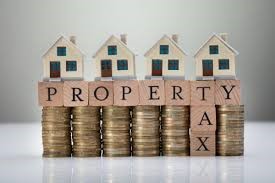
Property investment is often evaluated based on rental income and capital appreciation, but one critical factor that directly affects profitability is taxation. Property taxes, which are levied by local authorities on real estate ownership, can significantly influence the overall returns an investor earns. Understanding how these taxes work is essential for making informed investment decisions, particularly in growing markets such as Nairobi.
One of the most direct impacts of property taxes is on net rental income. Investors typically calculate returns based on the income generated from rent after deducting expenses. Property taxes form part of these recurring costs, reducing the amount of income an investor ultimately retains. Higher tax rates can therefore lower the net yield of a property, especially in cases where rental income is relatively fixed or slow to adjust.
Property taxes also influence pricing decisions. In some cases, landlords may attempt to pass on the cost of taxes to tenants through higher rents. However, this depends on market conditions. In competitive rental markets, increasing rent may not always be feasible, forcing investors to absorb the additional cost. This can compress profit margins and affect the attractiveness of certain investments.
Another important consideration is the impact on capital appreciation. Areas with high or rising property taxes may become less attractive to buyers and investors over time. This can slow demand and limit price growth, affecting the long-term value of the investment. Conversely, areas with stable and predictable tax regimes may attract more investment, supporting property value appreciation.


Property taxes also play a role in investment planning and property selection. Investors often compare different locations based not only on property prices and rental yields but also on tax obligations. A property with a lower purchase price but higher taxes may yield lower returns than a slightly more expensive property with lower ongoing tax costs. This makes tax analysis an essential part of evaluating investment opportunities.
In addition, property taxes can affect cash flow management. Since taxes are typically paid annually or periodically, investors must plan for these payments to avoid financial strain. Unexpected increases in tax rates can disrupt cash flow, particularly for investors with multiple properties or high leverage. Proper budgeting and financial planning are therefore crucial in managing these obligations.
On a broader level, property taxes contribute to public revenue and are often used to fund infrastructure, public services, and urban development. Improvements in infrastructure and services can enhance property values and indirectly benefit investors. However, the balance between tax levels and the quality of services provided is an important consideration for both investors and policymakers.
Regulatory oversight and tax policies set by government authorities influence how property taxes are structured and implemented. Changes in tax laws or valuation methods can have a direct impact on investment returns. Investors must therefore stay informed about policy developments to anticipate and adapt to potential changes.
In conclusion, property taxes are a key factor in determining real estate investment returns. By affecting rental income, property values, and overall costs, they play a significant role in shaping investment outcomes. Careful analysis of tax obligations, along with effective financial planning, can help investors optimize returns and make more informed decisions in the property market.