
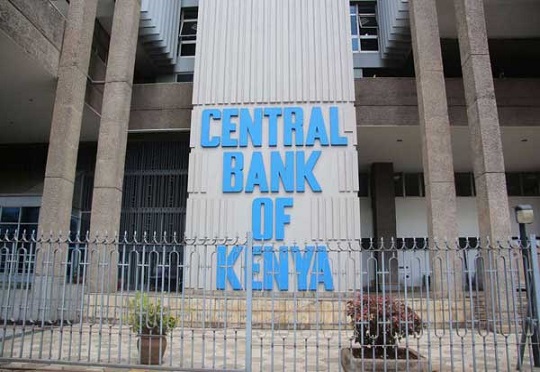


The Central Bank of Kenya (CBK) has continued its trend of lowering interest rates in a bid to stimulate lending, support businesses, and accelerate economic growth. This marks a sustained monetary policy approach aimed at making credit more affordable for individuals and companies across the country. While the move is expected to unlock economic activity, it also presents mixed outcomes, particularly for savers and investors.Lowering interest rates essentially reduces the cost of borrowing. Commercial banks, guided by the CBK’s benchmark rate, are able to offer loans at more competitive rates. This creates an opportunity for businesses—especially small and medium enterprises (SMEs)—to access cheaper credit for expansion, operations, and job creation. Consumers also benefit, as personal loans, mortgages, and asset financing become more affordable, potentially increasing spending and driving demand within the economy.
From a macroeconomic perspective, the rate cuts are designed to inject liquidity into the financial system. By encouraging borrowing and spending, the CBK aims to boost economic output, support recovery in key sectors, and maintain momentum in Kenya’s growth trajectory. This approach is particularly important in a period where global economic uncertainties and domestic fiscal pressures continue to weigh on economic performance.However, the policy is not without its downsides. One of the most immediate impacts is on savings and fixed-income investments. Lower interest rates typically translate to reduced returns on savings accounts, money market funds, and government securities such as Treasury bills and bonds. For conservative investors and retirees who rely on interest income, this can significantly affect their earnings and financial planning.
Additionally, prolonged periods of low interest rates can create challenges for financial institutions. Banks may experience tighter profit margins as the difference between lending and deposit rates narrows. This could lead to more cautious lending practices, potentially limiting the intended impact of the policy.There is also the broader concern of inflation. While rate cuts aim to stimulate growth, excessive borrowing and spending could lead to rising prices if not carefully managed. The CBK must therefore strike a delicate balance between supporting growth and maintaining price stability.In conclusion, the continued reduction of interest rates by the Central Bank of Kenya reflects a strategic effort to energize the economy through increased lending and spending. While borrowers stand to benefit from cheaper credit, savers and investors may need to reassess their strategies in response to declining returns. As the policy unfolds, its success will largely depend on how effectively it balances growth stimulation with financial stability.