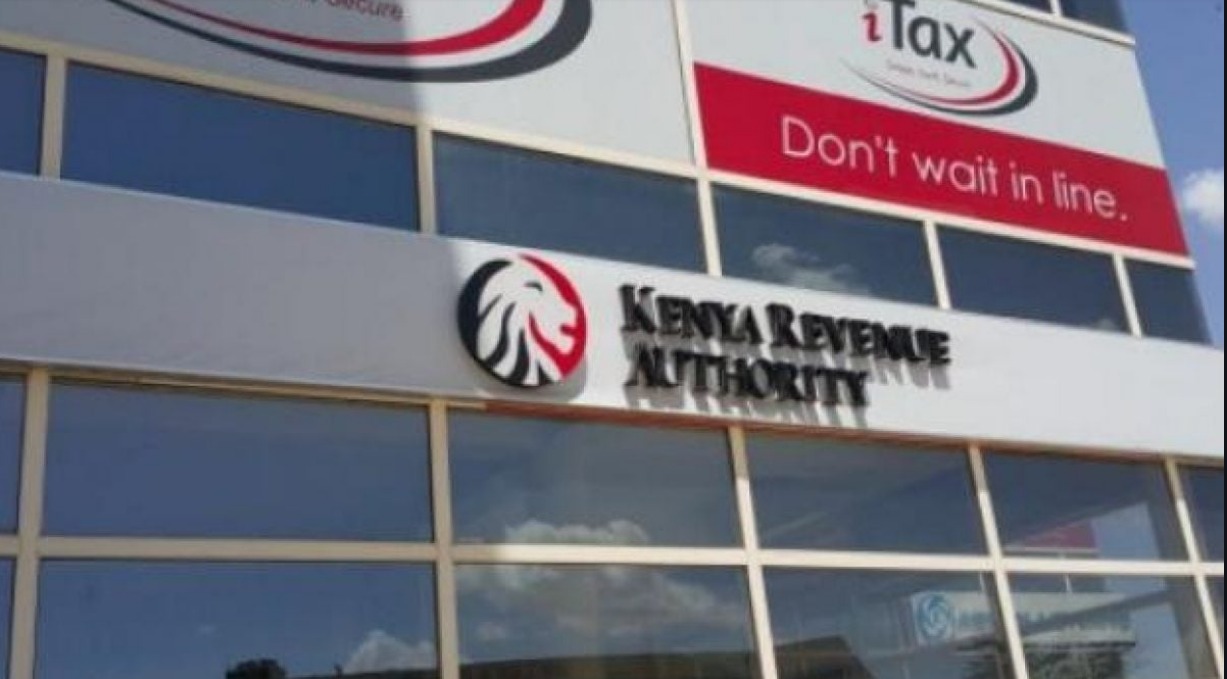
Kenya Revenue Authority has begun deploying body-worn cameras on its frontline staff in a new effort aimed at tackling corruption and strengthening tax enforcement at Kenya’s entry points. The move starts with the rollout of 350 body cameras at Jomo Kenyatta International Airport in Nairobi, targeting officers working in customs and border control operations where concerns over bribery and collusion with tax evaders have persisted for years.
The initiative forms part of a broader compliance strategy designed to address revenue leakages linked to corruption and under-declaration of imports. Officials believe the cameras will introduce greater transparency in interactions between customs officers and taxpayers by recording engagements in real time, reducing opportunities for bribery while improving evidence collection during enforcement operations.
Customs and border control functions remain critical to government revenue collection. The department is responsible for gathering import duty, 16 percent value-added tax (VAT) on imports, and excise duty on imported goods. It also collects other charges including the Import Declaration Fee and the Railway Development Levy. However, under-declaration of goods and manipulation of customs records have historically undermined collections, prompting repeated reforms within the agency.
The introduction of body cameras comes amid rising scrutiny of lifestyle mismatches among some revenue officers who have accumulated high-value assets inconsistent with their official salaries. Investigations into illicit enrichment have revealed cases involving expensive vehicles and real estate holdings, strengthening calls for tighter oversight mechanisms within the authority.


The body camera system will be used primarily by officers attached to customs, border control and enforcement teams. Each device will record video and audio during interactions with taxpayers, capturing operational activities and decisions taken during inspections or cargo clearance procedures. The system is expected to provide verifiable evidence in cases where smuggling networks or corrupt practices are suspected.
Recent internal disciplinary actions highlight the scale of governance challenges the authority is attempting to address. During the three months between July and September 2024, the agency dismissed 44 staff members over graft-related offences. In the quarter ending December 2024, another 19 officers were dismissed, more than double the number removed during the same period in 2023. Earlier in the first quarter of the 2024/25 financial year, 25 officers had also been sacked as part of a broader internal crackdown on corruption.
Beyond dismissals, the authority has intensified lifestyle audits and internal investigations targeting unexplained wealth among staff. These probes resulted in the recovery of approximately Sh549 million believed to have been acquired through illicit activities.
The new technology infrastructure supporting the body cameras includes four data storage servers, integrated docking stations and complementary charging systems. A central command centre has also been established to manage the incoming footage, oversee storage protocols and coordinate the review of recorded interactions. The devices are equipped with GPS tracking for location monitoring, LTE connectivity for live streaming and secure audio-visual recording capabilities intended to strengthen oversight of field operations.
The introduction of the technology aligns with broader digital reforms being implemented by the authority to improve tax compliance. These include expanded data-sharing arrangements with financial institutions and mobile money platforms such as M-Pesa, as well as the deployment of internet-enabled surveillance systems at factories producing excisable goods and the full rollout of digital electronic tax registers.
Kenya’s tax collection performance has historically lagged behind some peer economies in relation to gross domestic product, creating pressure on authorities to improve compliance without imposing significant new taxes. Policymakers have opted to focus on enforcement, data analytics and institutional reforms to expand revenue collection while minimizing economic disruptions.
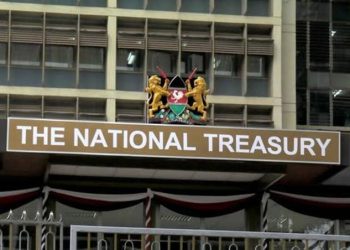
Funding for the technology has been partly supported by the World Bank as part of governance and institutional strengthening programmes. At the same time, the National Treasury has allocated Sh2 billion in the current financial year to establish a new data recovery site and upgrade the government’s information and communications technology centre at Konza Technopolis.
Procurement of the body camera equipment was conducted under a three-year contract with Nuctech Hong Kong Company, a security technology firm that will supply the devices and associated monitoring systems. Each body camera includes two components: a front-facing unit designed for high-quality video recording and photography, and a rear-facing camera that enables video calls and image transmission.
Authorities expect the new monitoring framework to reduce confrontation between officers and taxpayers while strengthening accountability in customs operations. By introducing continuous documentation of enforcement activities, the agency aims to deter bribery and collusion while improving the integrity of tax administration at key entry points into the country.