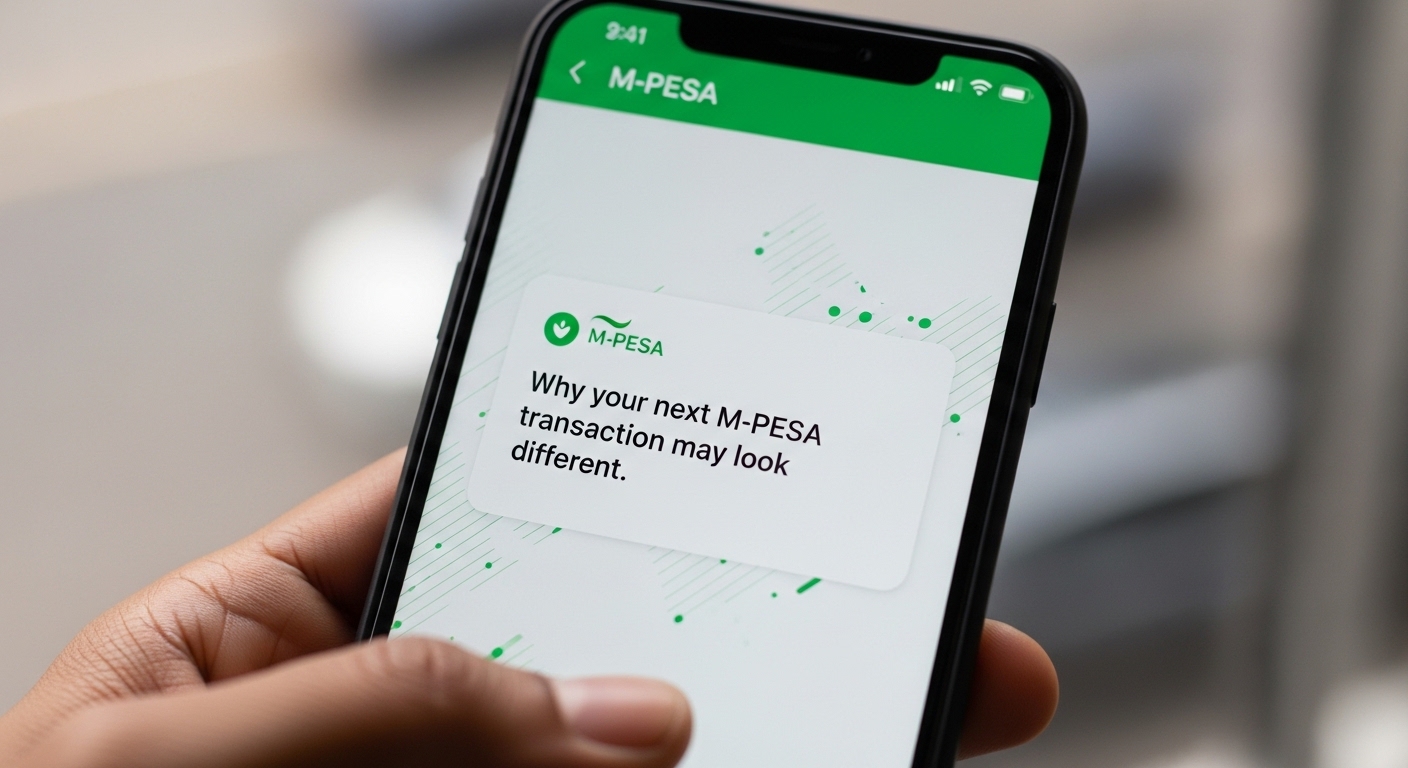
Kenya’s financial sector is set for a major privacy shift after the Central Bank of Kenya (CBK) approved the masking of phone numbers in M-PESA transaction confirmations, reinforcing the principle of data minimization in digital payments.
As Kabui Mwangi writes, the move means that users will no longer see full mobile numbers in transaction messages and statements. Instead, part of the digits will be concealed to limit unnecessary exposure of personal data. The approval aligns with broader data protection standards that require institutions to collect and display only information that is strictly necessary for a transaction.
Strengthening Data Privacy in Mobile Money
Mobile money has become deeply embedded in Kenya’s financial ecosystem, with millions of transactions processed daily. However, displaying full phone numbers in payment confirmations has long raised privacy concerns, especially in cases where messages are shared, forwarded, or viewed by unintended parties.
By allowing masked numbers, the regulator is seeking to reduce the risk of misuse, fraud, and identity exposure. Under the new framework, transaction details will still confirm the recipient or sender, but sensitive identifiers will be partially hidden.


The decision reflects a growing regulatory focus on data governance in financial services. As digital transactions increase, so does the volume of personal data circulating within payment systems. Masking phone numbers ensures that transaction transparency is maintained without unnecessarily exposing customer details.
Balancing Transparency and Security
One of the key considerations in the shift was maintaining trust in transactions. Users rely on confirmation messages to verify payments, and complete anonymity could undermine confidence. The masked format is designed to strike a balance, providing enough information for verification while limiting privacy risks.
Industry players are expected to adjust their systems to comply with the updated directive. The approval also signals that regulators are actively reviewing how digital platforms handle customer information in line with data protection principles.
A Broader Digital Finance Evolution
Kenya’s mobile money ecosystem has often been viewed as a global benchmark. As adoption deepens, regulatory oversight is evolving beyond access and financial inclusion to include data responsibility and consumer protection.
The CBK’s nod to phone number masking demonstrates a shift toward embedding privacy safeguards directly into digital financial infrastructure. As digital payments continue to expand, similar measures could extend to other areas of financial services where personal data is routinely displayed.
The development marks another step in strengthening user confidence in Kenya’s rapidly advancing digital economy.