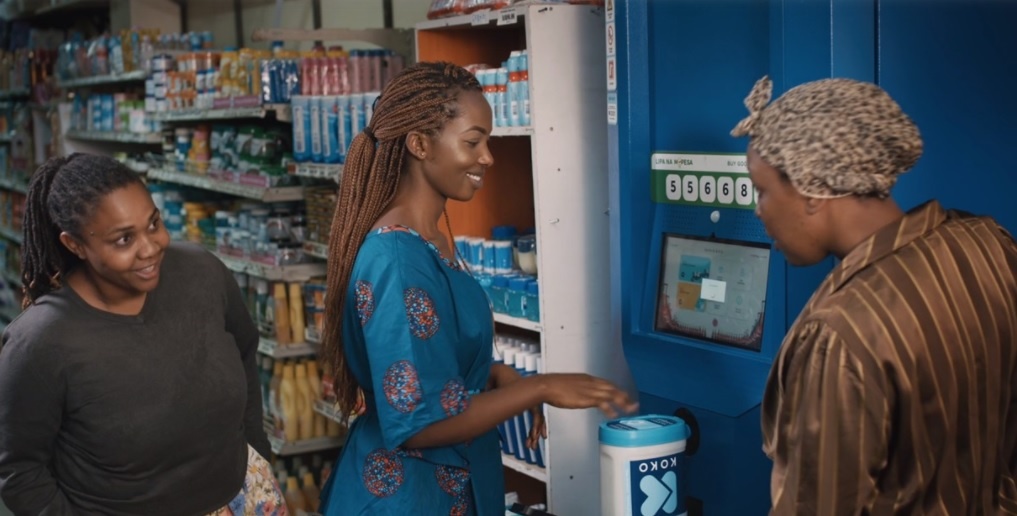
KOKO Networks entered Kenya’s energy market with a model that blended technology, affordability, and environmental ambition. By distributing bioethanol cooking fuel through smart dispensers integrated with mobile money, the company offered households an alternative to charcoal and kerosene while promising lower health and environmental costs. The model expanded rapidly across urban and peri-urban areas, embedding itself in daily consumption patterns and positioning clean cooking as an everyday utility.
At the core of KOKO’s operations was reliance on carbon credit revenues to subsidize fuel prices. Income from international carbon markets was intended to bridge the gap between commercial pricing and household affordability. This made regulatory approval not supportive but fundamental. When authorization to trade carbon credits stalled amid concerns over ownership, verification, and revenue sharing, the company’s revenue base weakened. Without this stream, operating costs became difficult to sustain, eventually pushing the firm to halt operations and file for insolvency.
The immediate economic effects were felt at the household level. An estimated 1.5 million users who had shifted to ethanol were abruptly forced to return to traditional fuels, reversing gains in cost predictability and indoor air quality. For many low-income households, cooking fuel choices are not ideological but financial, and disruption in supply alters consumption behavior quickly. The collapse therefore illustrates how energy transitions remain fragile when affordability depends on external financing mechanisms.
Employment and informal enterprise were also affected. KOKO’s distribution network relied on agents, technicians, and retail-linked operators whose incomes were tied to daily fuel sales. When the network shut down, these livelihoods disappeared almost overnight, reinforcing how platform-based infrastructure, once scaled, becomes economically systemic. More broadly, the episode highlights the risks embedded in climate-linked commercial models operating within uncertain policy environments. Carbon markets require stable rules, predictable approval processes, and credible verification systems. Where these are unclear or contested, even well-designed technologies struggle to translate environmental value into financial sustainability.


KOKO’s exit also carries implications for Kenya’s clean-energy agenda. The company’s technology aligned with national goals on reducing deforestation and improving public health. Its collapse exposes the gap between policy ambition and execution capacity.