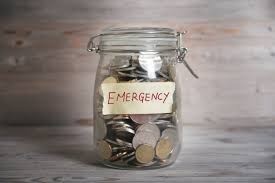
Life is full of surprises, some good, some not so good. What if your phone suddenly breaks, your school fees arrive early or you lose a job for a while? That’s where an emergency fund comes in. It’s a stash of money set aside to help you handle life’s unexpected twists without stress, loan sharks or extra debt. In Kenya, having an emergency savings plan can truly make a difference in how you respond to tough times.
The first step in building your emergency fund is setting a realistic savings target. Many financial guides recommend saving enough to cover three to six months’ worth of basic expenses like rent, food, transport and utilities but that can feel huge when you’re just starting out.
You don’t have to save it all at once. A good strategy is to start small and steady. For example, if you calculate your expenses using an emergency fund tool, you might find that different life situations require different targets. A fresh graduate might aim for around KES 180,000.0 while someone with dependents could aim higher. Importantly, the goal isn’t to feel overwhelmed by a big number, it’s to begin saving today, even if it’s just KES 500.0 or KES 1,000.0 at a time.
One of the most helpful tips is to automate your savings. If you earn a regular salary or income from your business, set up an automatic transfer of a certain amount into your emergency savings each time you get paid. Even saving KES 2,000.0 to 3,000.0 each month adds up over time and brings you closer to your safety net.


Where you keep your emergency fund matters too. It should be safe and easy to access when you need it most, but not too easy to spend on everyday wants. In Kenya, many people use tools like mobile savings options such as M‑Pesa lock savings (like M‑Shwari or KCB M‑Pesa goals) or money market funds that allow you to withdraw money quickly while earning a bit of return.
Another useful tip is to set mini milestones. Instead of thinking only about reaching six months’ worth of expenses, celebrate smaller goals first like KES 10,000.0 then KES 50,000.0 and keep going from there. Each milestone builds confidence and brings you closer to feeling secure.
Finally, make sure you use your emergency fund only for true emergencies, things like unexpected medical bills, urgent home repairs or loss of income rather than everyday spending or impulse buys. Treating it like a true safety net makes it far more effective over time.
Growing your emergency savings isn’t about how much you start with, it’s about starting. Whether you save KES 500.0 or KES 5,000.0 a month, the important thing is consistency. Every shilling you put away brings you closer from zero to safety, helping you weather life’s surprises with confidence and peace of mind.( start your investment journey today with the cytonn money market fund. Call + 254 (0)709101200 or email sales@cytonn.com)