
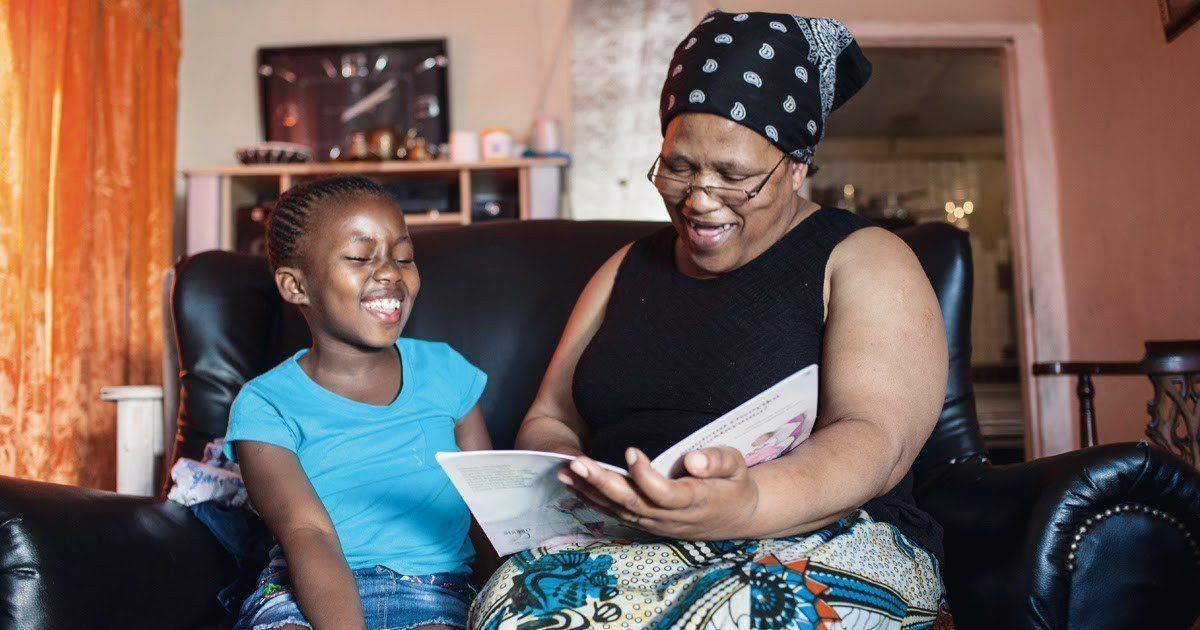
For years, Kenya’s mother tongues quietly slipped out of daily life, crowded out by English, Kiswahili, and the demands of urban living. Today, they are returning not through classrooms or government policy, but through smartphones, social media feeds, and weekend lesson plans. What was once a cultural legacy is quickly becoming a thriving microeconomy.

Across the country and beyond its borders, Kenyans are paying to relearn the languages they grew up hearing but never speaking fluently. Kikuyu, Kalenjin, Luo, Luhya, Kisii, once passed naturally from grandparents to grandchildren, are now taught through structured online lessons, holiday boot camps, and paid storytelling sessions. The demand is driven largely by millennials raising children in cities and adults grappling with a quiet discomfort: knowing where they come from but not how to say it in their own language.
For many learners, the motivation is deeply personal. In urban households where English and Kiswahili dominate, mother tongue often became optional until adulthood made the gap obvious. Family gatherings, rural visits, and professional interactions have exposed an uncomfortable truth for many: identity feels incomplete without language.


That realization is powering a new generation of tutors who are turning cultural revival into sustainable work. Mũrutani Aguu, founder of Exposia Learning Centre, began offering Kikuyu lessons after struggling to teach her own children the language. Social media did the rest. Short, practical videos posted online quickly attracted learners, many of them from the diaspora. Her classes follow a clear curriculum, blend culture with grammar, and demand commitment through homework and revision.
The results can be transformative. She recalls a child from a mixed-heritage family who surprised relatives by leading a prayer in fluent Kikuyu. Moments like that, she says, are reminders that language is not just vocabulary it is belonging.
A similar story unfolds in Kalenjin lessons run by Kipruto Lagat, whose business began almost accidentally during a conversation on X. What started as curiosity quickly revealed pent-up demand. Learners signed up not just to speak better but to reclaim something they felt they had missed. Some needed the language for work, others for family, but most were driven by identity.
His classes run for 12 weeks, with private and group options, and rely heavily on social media for reach. Music, recorded speaking exercises, and real-life practice keep learners engaged, though retention remains a challenge. Language, as many quickly discover, demands patience. Still, the payoff can be immediate. One learner, a lawyer, enrolled after struggling to communicate with an elderly client. Within months, she no longer needed a translator, and her professional confidence changed.
Beyond individual businesses, a broader cultural shift is taking shape. For decades, African languages were dismissed as informal or backward, even as Western languages defined success. That narrative is slowly unravelling. Local music dominates playlists, cultural pride is more visible online, and language has re-entered the conversation as something worth preserving and paying for.
Rose Cheroigin approaches Kalenjin lessons as both education and documentation. Her classes weave together language, naming traditions, clans and oral history, turning lessons into cultural archives. Storytelling anchors her teaching, making words memorable by tying them to origin stories and lived experience. Still, she acknowledges the challenge many learners face: returning to English and Kiswahili once class ends, with few opportunities to practise.
Others see the opportunity in scale. Wanjiku Murage-Mucheru, a lecturer and researcher, founded the Muraura Education Network after realizing her own children could not speak their mother tongue. Online delivery opened doors she had not anticipated: diaspora learners, foreigners, missionaries, and even people seeking translations for milestone moments like graduation speeches. Viral social media videos confirmed what the data already suggested: the audience exists, and it is growing.
Yet the revival comes with structural gaps. Many Kenyan languages were passed down orally, leaving limited written resources. Tutors are creating their own books, charts, and teaching aids from scratch, blending songs, dance, and audiovisual tools to keep lessons accessible.
What emerges from this quiet boom is not nostalgia, but adaptation. Mother tongue learning has moved from the fireside to the screen, from inheritance to investment. It is filling a gap left by formal education and modern life and, in the process, turning language into both livelihood and legacy.
In a country racing toward digital futures and global cities, the return to vernacular is not a step backward. It is a reminder that progress, for many Kenyans, sounds better when spoken in their own language.