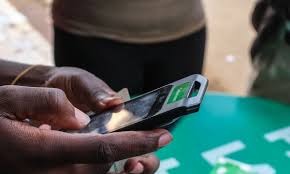
Mobile money has fundamentally transformed how Kenyans manage and use money. What began as a simple tool for sending and receiving funds has evolved into a broad financial ecosystem that includes payments, credit, insurance, and savings products. As usage deepens across households and businesses, an important debate arises on whether mobile money is encouraging better saving habits, or is it fueling higher consumption and spending.
On the positive side, mobile money has dramatically improved access to financial services. Millions of Kenyans who were previously excluded from the formal banking system can now store value securely, transact easily, and access basic financial products. Mobile based savings tools allow users to set aside small amounts frequently, reducing the barriers associated with traditional bank accounts such as minimum balances and travel costs. For many low-income earners, this has made saving more practical and consistent.

Mobile money has also supported informal saving behavior. Digital wallets and group savings platforms have modernized traditional savings groups, improving transparency and reducing the risk of loss or theft. In this sense, mobile money has strengthened financial discipline by making it easier to separate money for specific purposes such as school fees, emergencies, or small investments.
However, the same convenience that supports saving can also encourage spending. Instant access to funds, seamless payments, and the integration of short-term digital credit have made consumption easier and faster. Mobile loans, often disbursed within minutes, reduce the psychological barriers to borrowing. While these products meet genuine liquidity needs, they can also promote impulsive spending and frequent borrowing, especially when repayment terms and costs are not well understood.
The impact on saving behavior therefore depends on how mobile money is used. For disciplined users, it serves as a powerful tool for budgeting and financial planning. For others, it becomes a channel for rapid consumption, with income flowing in and out quickly without being retained. The growing popularity of buy-now-pay-later and instant mobile loans highlights this tension between financial empowerment and financial strain.
From a broader economic perspective, mobile money has increased transaction efficiency and supported small business activity. Yet concerns remain about whether easy access to credit is substituting long-term saving with short-term borrowing. Sustainable financial inclusion requires not just access, but also financial capability.
Ultimately, mobile money is neither inherently good nor bad for saving. It is a tool whose impact depends on product design, regulation, and user behavior. Encouraging savings linked products, clearer loan disclosures, and financial literacy can help tilt the balance toward better saving outcomes. As mobile money continues to evolve, its true value will lie in whether it helps Kenyans build financial resilience, not just spend more conveniently.
Start your investment journey today with the Cytonn Money Market Fund. Call + 254 (0)709101200 or email sales@cytonn.com