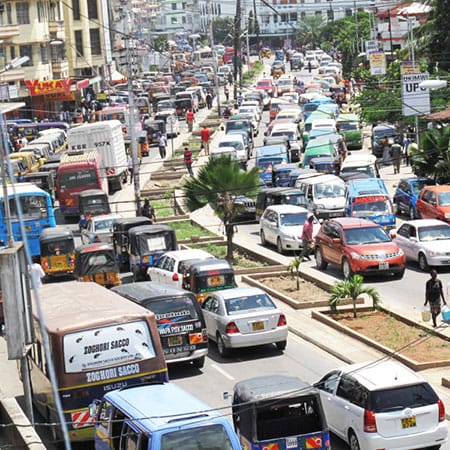

Traffic congestion has become one of the most pressing urban challenges across developing and developed economies. As towns grow into cities and populations rise, road networks, public transport, and urban planning often fail to keep pace. The result is overcrowded roads, longer travel times, and significant economic implications that reshape how people and businesses operate. One of the key drivers of traffic congestion is rapid urbanization. As people move into towns in search of better opportunities, the demand for transport naturally increases. However, where infrastructure is insufficient, outdated, or poorly planned, the transport system struggles to handle the growing volume of vehicles. In addition, rising car ownership, limited public transportation options, and commercial activity concentrated in city centers all intensify congestion.
The economic impact of traffic congestion is far-reaching. Lost productivity is one of the most immediate consequences, as workers spend hours in traffic instead of contributing to economic output. Businesses suffer delays in delivery, increased fuel and vehicle maintenance costs, and inefficiencies in logistics. Over time, these factors reduce business competitiveness and raise the cost of doing business within the city. Congestion also affects consumer behavior. When travelling becomes expensive and time-consuming, people shift to online shopping, remote services, or businesses that are closer to home. This can weaken foot traffic in traditional commercial hubs while boosting digital markets and neighborhood-based enterprises. In some cases, companies relocate from congested city centers to suburban or peri-urban areas where accessibility is better and costs are lower. Such shifts influence urban economic geography, sometimes decentralizing business activity. Congestion can also discourage foreign investment. Investors look for cities with efficient transport systems, reliable logistics, and low operational costs. Persistent gridlock signals inefficiency, making a city less attractive as a business destination. Over time, this may redirect investment to more organized urban centres or neighbouring regions.
On a positive note, heavy congestion can spark economic innovation. It pushes governments to invest in mass transit, smart mobility systems, and improved road networks. It can also stimulate the digital economy; remote work, e-commerce, and mobile delivery platforms expand when physical movement becomes difficult. Overall, traffic congestion not only slows down a city’s daily functioning but also shifts economic patterns, business decisions, and long-term investment trends.