
Shilling Breaks Through 129 Level
The Kenyan shilling has strengthened above the 129 level against the dollar for the first time in 16 months. This marks a significant milestone for the currency amid concerns that the Central Bank of Kenya (CBK) was preventing free movement through dollar purchases in the market.
Official forex data from the Central Bank of Kenya shows clear results. The shilling closed Friday at an average rate of Sh128.96 to the dollar. This represents the strongest closing price since August 21, 2024, when it traded at Sh128.97. Spot market data showed the shilling trading between Sh128.90 and Sh129.00 on Monday afternoon.
The currency has gained steady ground. In the last two weeks, the shilling has gained 0.7 percent on the dollar. It traded at Sh129.86 on November 28.
What’s Driving the Shilling’s Strength?
Several factors have combined to strengthen the shilling in recent weeks. Dollar supply has improved significantly since mid-November. The regulator has also been less active in the market.


“Dollar supply has improved since mid-November, and for the most part the regulator has also been out of the market,” said a trader at a local commercial bank.
The official forex reserves tell an important story. These reserves show whether the CBK has been active in the market. The data reveals little change at the end of last week. Reserves stood at $12.06 billion (Sh1.556 trillion) from $12.03 billion (Sh1.551 trillion) on December 4.
The Market Dynamic: Dollar Supply Meets Reduced Intervention
The run at the Sh129 level raised concerns among market participants. Many wondered if the CBK was keeping the rate unchanged through regular dollar purchases from the market. This seemed especially likely given the US currency’s weakening globally after Washington’s trade wars raised prospects of a US recession.
During that period, the market saw an ample supply of dollars. This reduced pressure on the shilling. It also allowed the CBK a window to bulk up on its dollar reserves through open market purchases.
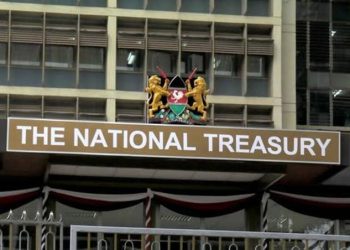
Earlier this year, the National Treasury disclosed an interesting strategy. The CBK was taking advantage of friendly market conditions to buy dollars from the market. This was also preventing further strengthening of the currency.
In separate pronouncements, Treasury CS John Mbadi and PS Chris Kiptoo said the shilling would have strengthened to the 118-120 level if it had been allowed free movement in the face of improved dollar inflows.
CBK’s Stance on Exchange Rate Management
The CBK maintains a clear position on exchange rates. Governor Kamau Thugge emphasized this in a briefing last Wednesday.
“We stick to our long-held stance of non-interference in the exchange rate. We have not told banks to stick to a particular exchange rate level. It is market-driven,” CBK governor Kamau Thugge said in a briefing last Wednesday.
This statement reinforces the central bank’s official policy. The direction and level of the exchange rate are determined by market forces, not administrative decisions.
Market Expectations: What Comes Next?
A periodic CBK survey on banks and non-banking institutions provides insight into future expectations. The survey was done ahead of last week’s monetary policy committee meeting. Results showed 76 percent of respondents projecting positive outcomes for the shilling.
These respondents expect the shilling will either hold at the current level or strengthen against the dollar in the next two months.
Near-Term Outlook
In the near term, the market anticipates the shilling will gain further ground on the dollar. This will be boosted by higher inflows from exports and diaspora remittances.
Several factors support this view:
Continued Dollar Supply: Export earnings and remittances show strong performance. These flows should maintain dollar availability in the market.
Global Dollar Weakness: The US currency has been weakening globally. Washington’s trade wars have raised prospects of US recession. This creates a favorable environment for emerging market currencies like the shilling.
Strategic Reserve Building: The CBK has been able to purchase dollars when the market has ample supply. This builds reserves without putting pressure on the exchange rate.
Understanding the Reserve Strategy
The official forex reserves provide insight into CBK market activity. These reserves stood at $12.06 billion (Sh1.556 trillion) at the end of last week. This was slightly up from $12.03 billion (Sh1.551 trillion) on December 4.
The minimal change in reserves suggests the CBK has not been aggressively intervening in the market recently. This aligns with trader observations that the regulator has been “out of the market” for the most part since mid-November.
However, earlier in the year, the pattern was different. The National Treasury disclosed that the CBK was taking advantage of friendly market conditions to buy dollars from the market. This strategy served two purposes:
- Building foreign exchange reserves
- Preventing excessive shilling appreciation that could hurt exporters
The Treasury’s View on Exchange Rate Levels
Treasury officials have acknowledged that the shilling’s actual market strength may be understated. Treasury CS John Mbadi and PS Chris Kiptoo made a revealing statement. They said the shilling would have strengthened to the 118-120 level against the dollar if it had been allowed free movement.
This suggests the current rate of Sh128.96 reflects some degree of CBK intervention through dollar purchases. The officials argue this intervention prevents excessive volatility and protects export competitiveness.
However, they also note that improved dollar inflows have been substantial. The natural market rate, absent any intervention, would show even greater shilling strength.
Implications for Different Economic Sectors
The shilling’s strength carries important implications across multiple sectors of Kenya’s economy:
For Importers
A stronger shilling reduces the cost of imported goods. Manufacturers who rely on imported raw materials benefit from lower costs. Fuel importers pay less in shilling terms for petroleum products. These savings can potentially flow through to consumer prices.
For Exporters
The situation presents challenges for exporters. A stronger shilling means less competitive pricing in international markets. Tea, coffee, and horticultural exporters earn fewer shillings for their dollar revenues. This is why Treasury officials noted the CBK was preventing the rate from reaching 118-120 levels.
For Inflation Control
Currency strength typically helps control inflation. Imported goods cost less. Fuel prices moderate. This eases pressure on the overall cost of living. The Central Bank of Kenya uses exchange rate stability as part of its inflation management toolkit.
For External Debt Service
Kenya has substantial external debt denominated in foreign currency. A stronger shilling reduces the local currency cost of servicing this debt. This provides fiscal relief for the government’s budget.
Technical Analysis: Understanding the Numbers
Let’s break down what the current figures mean:
Current Rate: Sh128.96 per dollar (Friday closing) Previous Week: Sh129.86 (November 28) Two-Week Gain: 0.7 percent appreciation 16-Month High: Strongest since August 21, 2024 (Sh128.97) Spot Market Range: Sh128.90 to Sh129.00 Forex Reserves: $12.06 billion (Sh1.556 trillion)
The steady movement toward stronger levels suggests underlying market support. However, the pace of appreciation has been measured rather than dramatic.
The Global Context: US Dollar Weakness
The shilling’s strength must be understood within the broader global currency environment. The US dollar has been weakening globally in recent months. Washington’s trade wars have created economic uncertainty. This has raised prospects of a US recession.
When the US dollar weakens globally, emerging market currencies typically benefit. Investors seek alternatives to dollar-denominated assets. Capital flows toward markets offering better returns or growth prospects. Kenya has benefited from this dynamic.
The ample supply of dollars in the Kenyan market partly reflects this global pattern. As the dollar loses value internationally, more dollars flow into emerging markets. This increases supply and reduces pressure on local currencies.
Concerns About Market Freedom
Despite positive developments, some market participants raise concerns about exchange rate management. The question centers on whether the CBK has been preventing the free movement of the exchange rate.
The evidence presents a mixed picture:
Evidence of Intervention:
- Treasury officials acknowledged the shilling would be at 118-120 without intervention
- The rate stayed locked at the Sh129 level for an extended period
- The CBK admitted to buying dollars earlier in the year
Evidence of Market Forces:
- Reserves have been relatively stable recently
- Traders report the regulator has been “out of the market” since mid-November
- The shilling has been allowed to strengthen above Sh129
The reality likely involves elements of both. The CBK may allow market forces to operate within certain bounds. When the shilling approaches levels considered too strong for export competitiveness, the bank may buy dollars to moderate appreciation.
What Market Participants Are Saying
The 76 percent of survey respondents who expect the shilling to hold or strengthen reflect genuine market optimism. This confidence rests on several observable factors:
Strong Remittance Flows: Diaspora remittances continue to provide substantial dollar inflows. These flows have been consistent and growing.
Export Performance: Despite global challenges, Kenya’s key exports continue generating dollar earnings. Tea and horticultural exports have maintained reasonable performance.
Foreign Investment Interest: Kenya’s government securities continue attracting foreign investors. These portfolio inflows bring dollars into the market.
Positive Sentiment: General confidence in Kenya’s economic management has improved. This encourages dollar holders to bring money into the formal market rather than holding it offshore.
Risks and Challenges Ahead
Despite positive momentum, several risks could affect the shilling going forward:
Global Economic Uncertainty
If Washington’s trade wars trigger an actual US recession, global trade could contract. This would reduce demand for Kenya’s exports. Lower export earnings would reduce dollar inflows and could pressure the shilling.
Oil Price Volatility
Kenya imports all its petroleum needs. Any spike in oil prices would increase demand for dollars to pay for fuel imports. This could quickly reverse current positive trends.
Debt Service Requirements
Kenya has substantial external debt obligations. Large upcoming payments could draw down reserves if not matched by fresh inflows. This might require the CBK to sell dollars, potentially weakening the shilling.
Political or Policy Uncertainty
Any domestic political tensions or policy missteps could trigger capital outflows. Investor confidence remains sensitive to governance and economic policy signals.
What to Watch in the Coming Weeks
Several indicators will signal whether the shilling’s strength can be sustained:
Weekly Reserve Data: Monitor CBK’s published reserve figures. Significant changes would indicate active intervention in the market.
Export Performance: Tea and coffee auction results provide insights into dollar earnings from key export sectors.
Remittance Flows: Monthly remittance data show whether diaspora inflows continue supporting the currency.
Global Dollar Trends: Track the US dollar index and international currency movements. These affect Kenya’s exchange rate environment.
CBK Communications: Statements from Governor Thugge and other officials provide clues about policy thinking and intervention appetite.
Conclusion: Balancing Market Forces and Policy Objectives
The Kenya shilling’s rise to a 16-month high reflects a combination of improved dollar supply and strategic reserve management by the CBK. The currency closed Friday at Sh128.96 to the dollar, its strongest level since August 2024.
Market participants report that dollar supply has improved significantly since mid-November. The regulator has largely stayed out of the market during this recent period. However, Treasury officials acknowledge that earlier in the year, the CBK was buying dollars to prevent excessive shilling appreciation.
The result appears to be a managed market. The CBK allows the shilling to strengthen within certain parameters. When appreciation threatens to hurt export competitiveness, the bank may step in to buy dollars. This builds reserves while moderating currency gains.
Looking ahead, 76 percent of market participants surveyed expect the shilling to either hold current levels or strengthen further in the next two months. This optimism rests on continued strong dollar inflows from remittances and exports.
However, risks remain. Global economic uncertainty, particularly around US trade wars and recession prospects, could affect dollar flows. Oil price increases could quickly shift the supply-demand balance. Kenya’s external debt obligations also require careful management.
Governor Kamau Thugge maintains that the CBK does not interfere with exchange rates and that market forces determine levels. Yet the gap between the current rate and the 118-120 level mentioned by Treasury officials suggests intervention does occur, even if aimed at moderating volatility rather than fighting market trends.
For now, the shilling appears well-supported. The question is whether the CBK will allow further appreciation or whether the current level represents the upper bound of policy comfort. The answer will likely depend on balancing multiple objectives: inflation control, export competitiveness, reserve adequacy, and debt service affordability.